Common Mistakes With Baby Stroller: Avoid These Costly Errors
You want the best for your baby, and a stroller is your trusted partner on countless adventures. But are you sure you’re using it the right way?
Many parents unknowingly make simple mistakes that can affect your child’s comfort, safety, and even your peace of mind. From choosing the wrong stroller to overlooking key safety checks, these common errors can turn a smooth ride into a stressful experience.
Keep reading to discover what to watch out for and how to avoid these pitfalls—because your baby deserves nothing less than a safe, comfortable journey every time you step outside.

Credit: orbitbaby.com
Choosing The Wrong Stroller
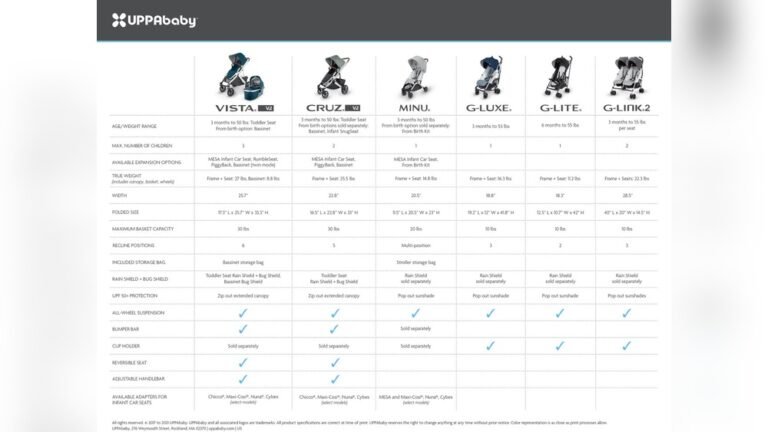
Choosing the wrong stroller can make outings stressful for parents and uncomfortable for babies. Many parents focus only on looks or price. They forget important factors that affect daily use and safety. Picking the right stroller means thinking about your lifestyle and your baby’s needs. This guide covers common mistakes parents make when choosing a stroller.
Ignoring Weight And Portability
Heavy strollers are hard to carry and push. If you travel or use public transport, weight matters a lot. A bulky stroller takes up too much space in cars and homes. Portability is key for easy folding and storage. Choose a stroller you can lift and move without strain. Lightweight models help parents stay active and stress-free.
Selecting Inappropriate Wheel Types
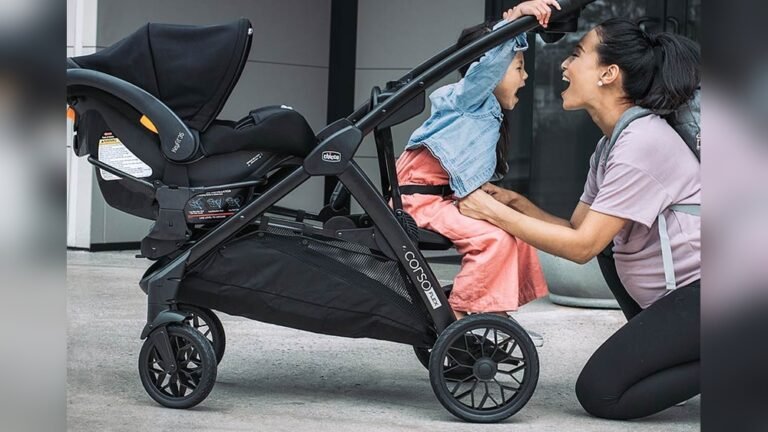
Not all wheels work well on every surface. Big wheels handle rough paths better than small ones. Small wheels are fine for smooth city streets but struggle on grass or gravel. Some wheels lock to keep the stroller steady on hills. Think about where you walk most. Proper wheels improve safety and comfort for your baby.
Overlooking Age And Size Compatibility
Babies grow fast. Strollers must fit your child’s age and size. Newborns need full recline and good head support. Toddlers require bigger seats and strong safety harnesses. Using a stroller too soon or too late can harm your baby. Always check the manufacturer’s weight and age limits. A well-fitted stroller keeps your child safe and cozy.
Neglecting Safety Features
Neglecting safety features on a baby stroller can put your child at risk. Parents often focus on style or convenience and miss key safety checks. These features prevent accidents and keep your baby secure during every outing. Understanding the importance of these details helps ensure a safer stroll.
Skipping Harness Checks
The harness keeps your baby safely in place. Skipping regular checks can lead to loose straps or broken buckles. Always ensure the harness fits snugly without being too tight. A secure harness stops your baby from slipping or climbing out.
Ignoring Brake Quality
Good brakes prevent the stroller from rolling away. Ignoring brake quality can cause dangerous slips on slopes or uneven ground. Test the brakes before every use. Make sure they lock firmly and release smoothly for quick control.
Overlooking Wheel Locks
Wheel locks add extra safety, especially on hills or crowded places. Overlooking them can lead to unintended movement. Check that each wheel lock works well and holds the stroller firmly in place. This simple step avoids sudden accidents during stops.
Poor Maintenance Habits
Poor maintenance habits can shorten your baby stroller’s life. These habits may cause safety risks and reduce comfort during walks. Regular care keeps your stroller smooth and reliable. Ignoring simple upkeep tasks often leads to bigger problems. Understanding these common mistakes helps you avoid costly repairs and keeps your baby safe.
Skipping Regular Cleaning
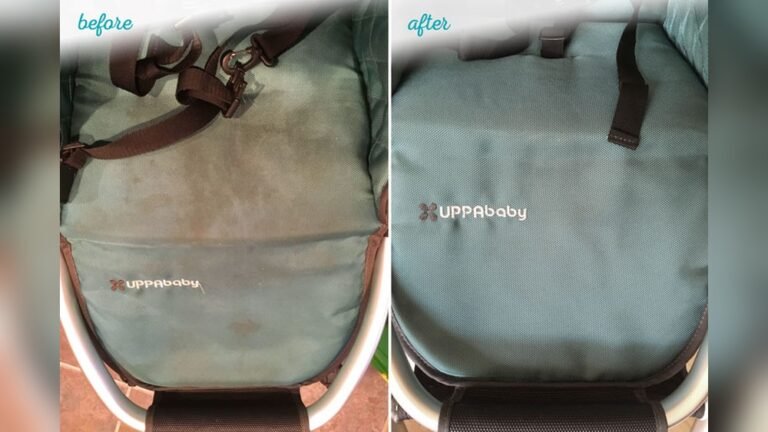
Dirt and debris build up quickly on strollers. Skipping regular cleaning lets grime clog moving parts. This can make folding and unfolding difficult. Dust and crumbs also attract bacteria and germs. Clean the fabric and frame with mild soap and water. Wipe down wheels and joints to prevent buildup. Regular cleaning keeps the stroller fresh and safe for your baby.
Neglecting Wheel Lubrication
Wheels need lubrication to roll smoothly. Without it, wheels may squeak or stick. This makes pushing the stroller harder and uncomfortable. Use a silicone-based lubricant on wheel axles and joints. Avoid oil-based lubricants that attract dirt. Lubricate wheels every few months or after exposure to rain. Smooth wheels improve maneuverability and protect stroller parts.
Ignoring Wear And Tear Signs
Small damages often appear before big problems. Ignoring loose screws, torn fabric, or cracked wheels is risky. These issues affect stroller stability and safety. Check your stroller regularly for signs of wear. Tighten screws, replace torn parts, and repair wheels promptly. Early attention prevents accidents and extends stroller lifespan.
Misusing The Stroller
Misusing a baby stroller can create safety risks and reduce its lifespan. Many parents make simple errors that affect comfort and security. Understanding proper stroller use is key to keeping your child safe and your stroller in good shape.
Overloading Beyond Weight Limits
Every stroller has a weight limit. Exceeding it can cause frame damage or tipping. Carry only what the stroller is designed to hold. Avoid hanging heavy bags on the handles. This can make the stroller unstable. Check the manual to know the maximum weight allowed.
Improper Folding And Storage
Folding the stroller incorrectly can break parts or cause jams. Follow the instructions carefully each time you fold it. Store the stroller in a dry place to prevent rust. Avoid placing heavy objects on top of it. Proper storage keeps the stroller working smoothly for longer.
Allowing Prolonged Baby Naps In Stroller
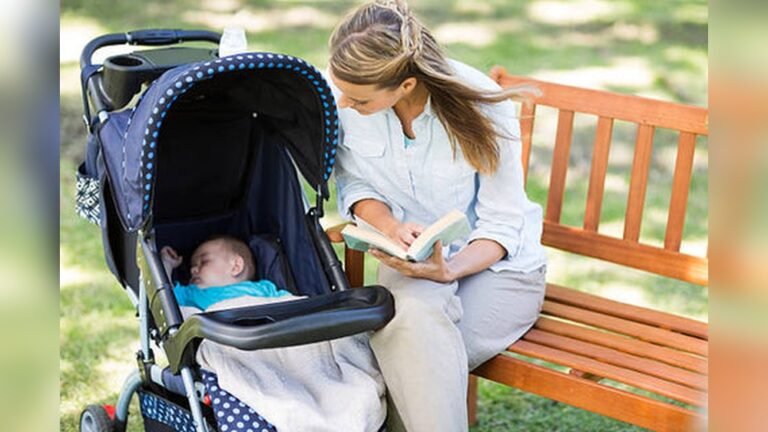
Strollers are not designed for long, deep sleep sessions. Prolonged naps can affect the baby’s posture and breathing. Use the stroller for short rests or walks only. For longer sleep times, transfer your baby to a crib or bassinet. This ensures better comfort and safety.
Ignoring Comfort And Convenience
Choosing a stroller is not only about style or price. Comfort and convenience matter a lot. Ignoring these aspects can make outings hard for both baby and parent. A stroller should support your baby well and be easy to use.
Many parents miss key features that improve comfort and ease. These missing details can cause discomfort or frustration later. Thinking ahead about your needs helps avoid these common mistakes.
Neglecting Seat Recline Options
The seat recline affects your baby’s comfort greatly. Babies need different positions for naps and playtime. A fixed seat can make your baby tired or fussy. Adjustable recline allows smooth changes without waking the baby. Choose a stroller with multiple recline settings for better support.
Forgetting Adjustable Handlebar Needs
Parents come in all heights. A handlebar that does not adjust can cause back pain. Pushing a stroller with the wrong height feels uncomfortable. Adjustable handlebars let every parent push with ease. This feature improves control and reduces strain on shoulders and arms.
Overlooking Canopy And Weather Protection
Sun, wind, and rain affect your baby’s comfort and safety. A good canopy shields from harsh sunlight and rain. Some canopies come with UV protection and peek-a-boo windows. Without weather protection, your baby may get cold or sunburned. A stroller with a strong, adjustable canopy is a smart choice.

Credit: www.ourkidsmom.com
Unsafe Travel Practices
Traveling with a baby stroller requires careful attention to safety. Unsafe travel practices can put your child at risk. Parents often overlook simple steps that prevent accidents. Understanding these common mistakes helps ensure a smooth and secure journey for both parent and baby.
Not Securing Stroller During Transport
Failing to secure the stroller inside a vehicle can cause it to move suddenly. An unsecured stroller may tip over or slide during stops. This movement can injure your baby or damage the stroller. Always use seat belts or straps to hold the stroller firmly. Double-check before driving to keep your child safe.
Ignoring Terrain Suitability
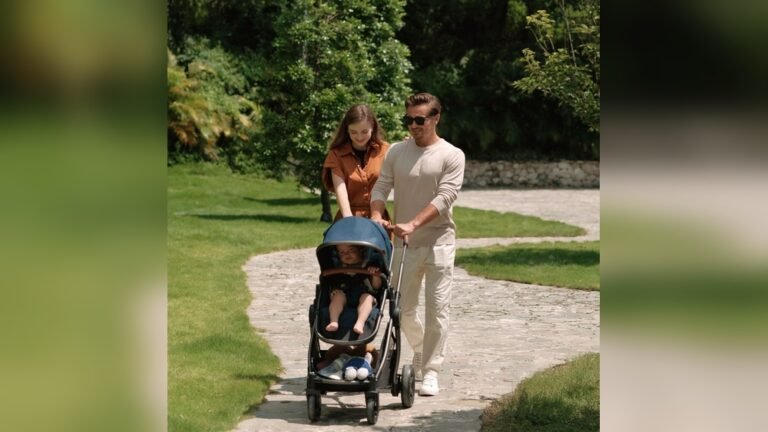
Using a stroller on rough or uneven surfaces can be dangerous. Many strollers are designed for smooth pavements only. Rough terrain can cause the stroller to tip or get stuck. This risks your baby’s comfort and safety. Choose a stroller with appropriate wheels for your environment. Avoid bumpy or rocky paths when possible.
Using Stroller For Inappropriate Activities
Some parents use strollers for activities they are not designed for. Running or jogging with a regular stroller can cause accidents. Strollers not made for jogging may lack proper suspension or brakes. Avoid using your stroller for sports or uneven trails. Use a stroller suited for the specific activity to keep your baby safe.

Credit: mompush.com
Frequently Asked Questions
What Are Common Stroller Problems?
Common stroller problems include stuck or worn wheels, faulty brakes, uncomfortable seats, difficult folding, and poor suspension.
Can A Bumpy Stroller Cause Shaken Baby Syndrome?
A bumpy stroller ride does not cause shaken baby syndrome. Shaken baby syndrome results from violent shaking or forceful impact. Gentle bouncing or normal stroller movement is safe for babies. Always ensure the stroller is secure and appropriate for your child’s age and weight.
What To Look Out For In A Stroller?
Choose a stroller that fits your child’s age and weight. Check adjustable handlebars, secure brakes, smooth wheels, and comfortable seats. Ensure easy folding and good suspension for various terrains. Prioritize safety harnesses and durability for everyday use.
How Many Hours Can A Baby Be In A Stroller?
Babies should stay in a stroller for no more than two hours at a time. Always supervise and use the proper harness for safety.
Conclusion
Avoiding common stroller mistakes keeps your baby safe and comfortable. Always check the stroller’s weight and age limits. Use brakes properly and secure harnesses every time. Regularly inspect wheels and joints for wear or damage. Choose a stroller that fits your daily needs and lifestyle.
Small steps help prevent accidents and make outings pleasant. Stay attentive and enjoy stress-free walks with your child. Safety and comfort should always come first.