
How to Choose a Bassinet: Safety and Size Guide
You can choose a bassinet by looking for a model that meets the latest safety standards set by the Consumer Product Safety Commission, as these ensure a stable and secure sleeping environment for your infant. If you have limited bedroom space, prioritize a compact, lightweight model, but if you need to move the baby between rooms, look for a design with locking wheels.
Comparing your sleeping options
When you look for a place for your newborn to sleep, you must weigh factors like portability, cost, and how long the product will last. The following table helps you compare the most common types of sleep spaces for infants.
| Method | How long | Effort | Cost | Best for |
|---|---|---|---|---|
| Standard Bassinet | 4–6 months | Medium | Medium | Stationary use |
| Portable Sleeper | 3–5 months | Low | Low | Travel |
| Co-sleeper Unit | 5–6 months | High | High | Night feedings |
Using a standard stationary bassinet
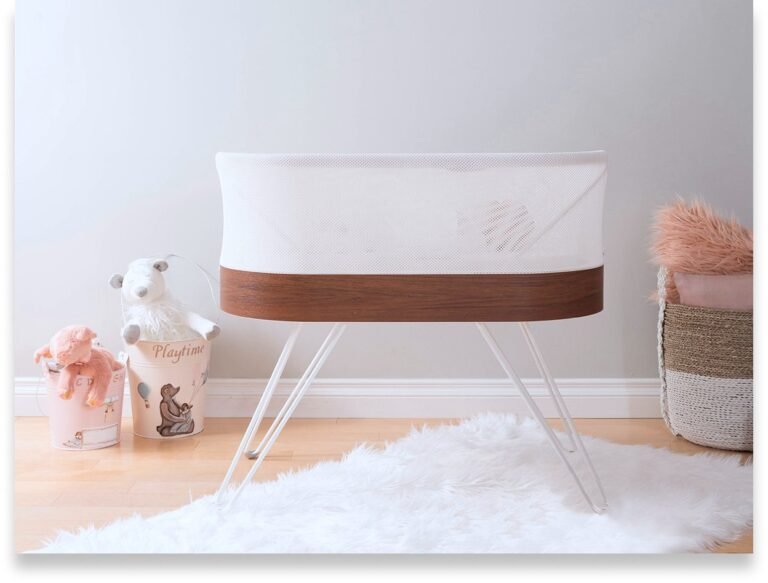
A standard model is a dedicated bed designed specifically for the first few months of life. It provides a flat, firm surface that’s essential for a safe sleep environment.
- Check that the base is wide and stable so it can’t tip over if the baby moves.
- Ensure the mesh or fabric sides are breathable and pulled tight across the frame.
- Place the unit on a flat floor away from window cords or heavy curtains.
- Stop using the product as soon as the baby shows signs of rolling over.
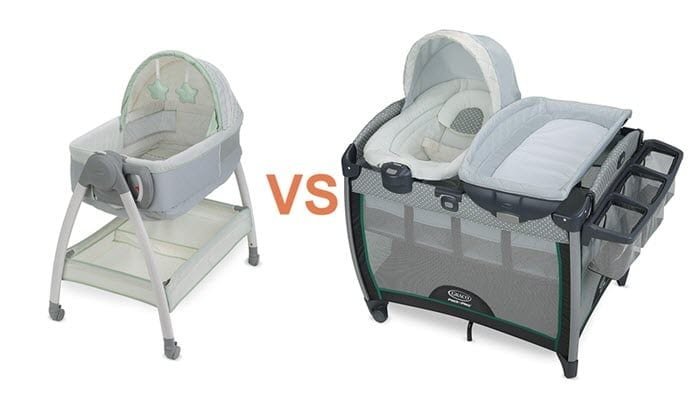
These units are excellent for keeping your baby close by your bedside. Their main weakness is that they’re often bulky and difficult to move between different rooms in your home.
Selecting a portable travel sleeper

Portable models are built for parents who need to move the sleep space around the house or take it on trips. They’re often made of lightweight materials that fold down into a compact size.
- Verify the folding mechanism locks securely into place before placing your baby inside.
- Confirm the mattress pad is firm and specifically designed for that exact model.
- Use the carry bag to keep the frame clean when you move it between locations.
- Inspect the hinges for any signs of wear every time you set it up.
They’re perfect for families with small living spaces or frequent travelers. Their limitation is that the frames are usually less rigid than permanent nursery furniture.
Choosing a bedside co-sleeper
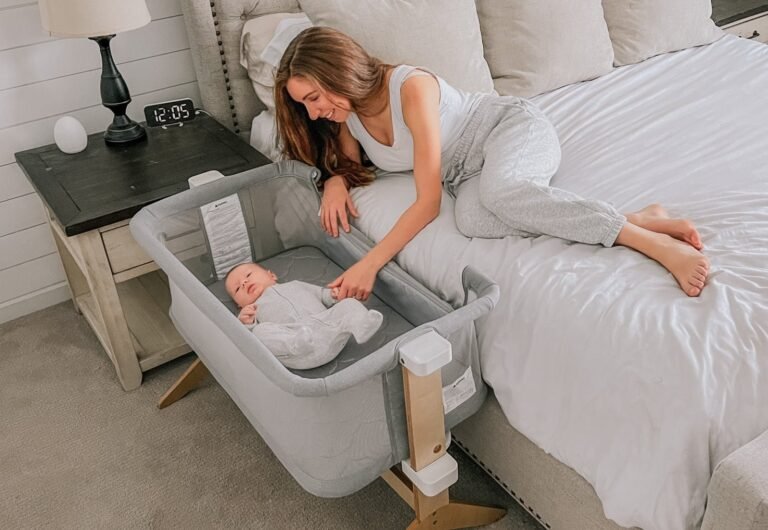
A co-sleeper attaches directly to your bed frame, allowing you to reach the baby without getting up. This makes middle-of-the-night feedings much easier for recovering parents.
- Adjust the height of the unit so the side wall is below the level of your mattress.
- Secure the anchor straps tightly to your bed frame to prevent any gaps.
- Check the gap between the sleeper and the adult mattress daily to ensure there’s no space where the infant could become trapped.
- Ensure the side rail is always locked in the “up” position unless you’re awake.
These are ideal for parents recovering from birth. The main drawback is the complex setup process, which requires careful attention to the CPSC safety requirements for bedside sleepers to avoid entrapment risks.
Which method should you use?
Choosing the right unit comes down to your current lifestyle and your home layout. If you’re in a hurry and need something simple, a standard stationary unit is your best choice because it requires no complex assembly. If you’re doing this for the first time, look for a portable sleeper because it allows you to test the baby’s comfort in different parts of your home without buying extra furniture.
If you want the best possible result for late-night nursing, a bedside co-sleeper wins because it saves you from getting up repeatedly. Remember that the trade-off is always between the ease of movement and the stability of the frame.
Essential safety rules for any sleep space

Regardless of the method you choose, your baby’s safety depends on keeping the sleep area clear. You must avoid placing blankets, pillows, or stuffed animals inside, as these items pose a suffocation risk. Always ensure the mattress is flat and firm; if you buy a second-hand unit, check the manufacturer’s website to ensure the model hasn’t been recalled.
If you’re unsure about the assembly, take the time to contact the manufacturer directly. Never use a product that feels wobbly or has loose hardware, as these issues can lead to dangerous accidents that you can’t easily fix at home.
Related guides
- Best Ring Sling for Plus Size Moms | Top Picks
- Expert Comfort & Safety Tips for Using Ring Sling
- 10 Best Ring Sling for Newborns Comfort & Safety 2026
Frequently asked questions
Can I use a used bassinet safely?
Yes, you can use a used unit, but only if you verify the model number against the official recall list on the manufacturer’s website. Ensure all original parts and hardware are included, as missing pieces can make the structure unstable.
How long can a baby stay in a bassinet?
Most babies outgrow these units by 4 to 6 months of age. You should stop using it the moment your infant begins to push up on their hands and knees or shows any signs that they’re ready to roll over.
Is it safe to put a blanket in?
No, you should never place blankets, pillows, or soft toys in the sleep area. These items increase the risk of suffocation, so it’s safer to use a wearable blanket or a sleep sack to keep your baby warm.
What happens if the bassinet isn’t level?
An unlevel surface can cause your baby to roll toward the side, which is a major safety risk. Always use a level or check that the feet are adjusted correctly on your floor to ensure the mattress stays completely flat.
How often should I check the hardware?
You should check the hardware every time you move the unit or at least once a week. Tighten any loose screws immediately, and if a part feels stripped or damaged, stop using the product and contact the maker for replacements.
Why does the mattress need to be firm?
A firm mattress is required to support the baby’s developing spine and to ensure they can’t press their face into the surface. Soft mattresses or added padding increase the risk of SIDS, so always use the thin, firm pad provided.
Conclusion
Once you’ve found the perfect fit, take a moment to set it up near your own bed so you can reach your little one easily during the night. You’ll feel much more relaxed knowing they’re resting safely right beside you. It’s a wonderful way to start your new journey together.

I’m Melissa Turner, a mom of two passionate about helping parents make confident buying decisions. I research and review baby gear, compare trusted products, and share practical parenting tips based on careful research. My goal is to simplify shopping with honest, easy-to-understand guides that put safety, comfort, and value first. I focus on baby carriers, strollers, feeding essentials, nursery products, and everyday parenting gear. I hope my recommendations help make your parenting journey a little easier and more enjoyable.