
Bassinet Buying Guide: How to Choose a Safe Newborn Bed
You can safely choose a bed for your newborn by prioritizing a firm, flat surface and ensuring it meets current safety standards. Using a bassinet buying guide helps you identify models that prevent suffocation and falls. This guide covers how to assess structural stability, choose the right materials, and maintain a safe sleep environment for your infant.
Understanding infant sleep furniture

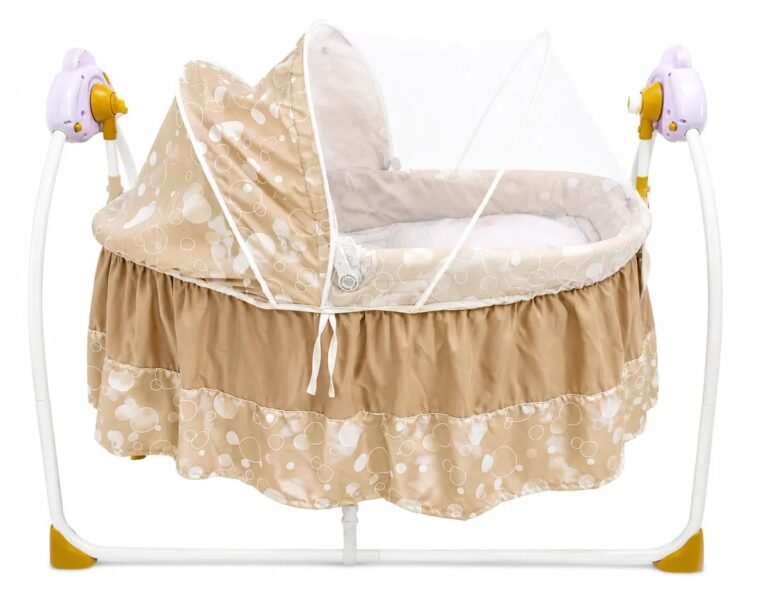
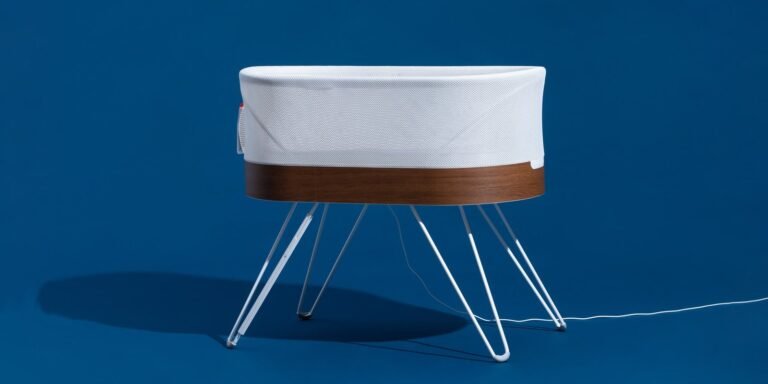
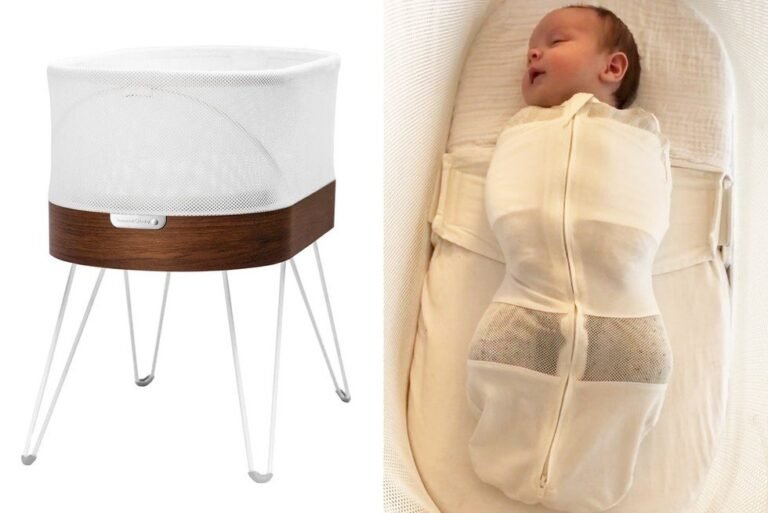
A bassinet is a small, portable bed designed specifically for newborns during their first few months. Unlike a full-sized crib, it’s compact and often fits right next to your bed for easier nighttime feedings.
Most parents use them until the baby starts to roll over or push up on their hands and knees, usually around 3 to 5 months of age. A common misconception is that all bassinets are identical in safety; in reality, you must verify that the product has a stable base and breathable sides to ensure proper airflow.
Evaluating your sleep space
- Measure the area next to your bed to confirm the unit fits without blocking walkways.
- Check that the base is wide and heavy enough to prevent tipping if bumped.
- Inspect the locking mechanism on the wheels to ensure they stay secure once engaged.
- Verify the mattress is firm and fits tightly against the sides with no gaps.
- Test the stability by giving the unit a firm push to ensure it doesn’t wobble.
The most important judgement call is ensuring the mattress is truly firm, as soft padding increases the risk of entrapment or suffocation. If the mattress feels like it sinks under the weight of a hand, it’s too soft for a newborn.
Key features for your bassinet buying guide
| Situation | What to use | How long | What to watch for |
|---|---|---|---|
| Small bedroom | Compact footprint | Up to 4 months | Base width stability |
| Frequent travel | Lightweight folding unit | Up to 3 months | Quick latch security |
| Reflux concerns | Consult pediatrician | Until rolling | Use flat sleep surface only |
| Easy access | Drop-down side style | Until crawling | Secure wall attachment |
| Nighttime visibility | Mesh-sided model | Up to 5 months | Breathable fabric mesh |
Quality markers for safe sleep
Experienced parents look for specific features that signal a well-made product. They always prioritize models with mesh walls, which provide better airflow compared to solid fabric or plastic sides. They also avoid units with decorative ribbons, tassels, or extra padding, as these items pose unnecessary entanglement hazards for a sleeping infant.
When preparing the space, ensure the assembly follows the manufacturer’s instructions perfectly. Never add aftermarket blankets, pillows, or positioners to the bed, as these can interfere with the baby’s breathing. Check the assembly every two weeks to tighten any hardware that may have loosened from daily movement or vibration.
Troubleshooting common issues

| What you notice | What it usually means | What to do first |
|---|---|---|
| Wobbly base | Loose floor bolts | Tighten all frame screws |
| Mattress gap | Incorrect size liner | Replace with official brand pad |
| Wheels sticking | Debris in housing | Clean and lubricate axles |
| Uneven height | Uneven floor surface | Use leveling feet adjusters |
Legal and safety thresholds
Safety regulations require that all new products sold in the United States meet the mandatory standard for bassinets and cradles. This standard ensures the unit can withstand significant weight without collapsing and that the sides are tall enough to prevent accidental falls.
Always look for the certification seal on the packaging or the manufacturer’s manual. If you choose a secondhand item, check it against the current recall list maintained by the Consumer Product Safety Commission to ensure it hasn’t been flagged for structural failure.
Managing the product lifespan
Once your baby reaches the weight limit specified by the maker, usually between 15 and 20 pounds, you must stop using the bassinet immediately. Store the unit in a dry, cool place to prevent mold or rust on the metal frame. If you plan to use it for a future child, inspect the fabric for tears and ensure all locking pins still snap into place with a clear, audible click.
When to choose a crib

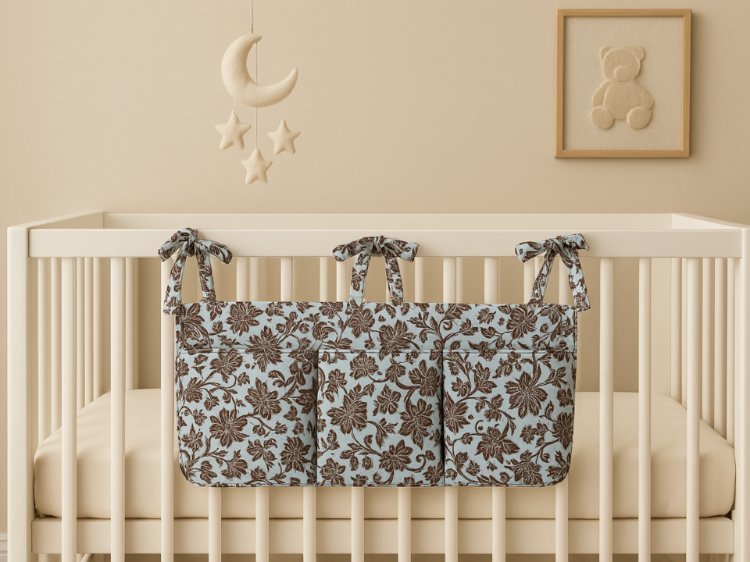
If your baby is very active or exceeds the manufacturer’s weight limit, this approach is the wrong choice. In these cases, transition the infant to a full-sized crib that meets current safety standards. If you’re worried about the transition, consider a mini-crib, which offers more longevity than a bassinet while still maintaining a compact footprint for your nursery space.
Related guides
- Benefits of Using Ring Sling for Newborns
- Top Benefits of Using Car Seat Mirror for Newborns
- Can Newborns Use a Ring Sling? Safe Babywearing Tips
Frequently asked questions
Can I use a second-hand unit?
Yes, you can use a second-hand unit if you verify it hasn’t been recalled and all original parts, including the mattress and hardware, are still present and in good condition.
How long can a baby stay in one?
Most babies stay in a bassinet until they are 3 to 5 months old, or until they reach the specific weight limit set by the manufacturer for that model.
Is it safe to use extra blankets?
No, it isn’t safe to use extra blankets, pillows, or plush toys inside the sleeping area, as these items increase the risk of suffocation for your infant while they sleep.
Why does the mattress seem hard?
The mattress must be firm to provide a safe surface for a newborn, as a soft surface can cause the baby’s face to sink, which restricts their breathing during sleep.
What happens if the baby rolls over?
You must stop using the bassinet the moment your baby begins to roll over or push up, as they’re then at risk of falling out of the shallow side walls.
How do I clean the fabric?
You should clean the fabric by following the specific care tag instructions provided by the maker, usually involving a mild soap and water solution to wipe down the mesh.
Conclusion
The right choice depends on your specific living space and how long you intend to keep your baby in your room before moving them to a full crib. Always prioritize a model that’s easy to clean and has a sturdy, stable base to keep your baby safe throughout the night.

I’m Melissa Turner, a mom of two passionate about helping parents make confident buying decisions. I research and review baby gear, compare trusted products, and share practical parenting tips based on careful research. My goal is to simplify shopping with honest, easy-to-understand guides that put safety, comfort, and value first. I focus on baby carriers, strollers, feeding essentials, nursery products, and everyday parenting gear. I hope my recommendations help make your parenting journey a little easier and more enjoyable.