Trusted Parent Reviews & Tips of Soft Structured Carrier
If you’re a parent searching for the perfect way to carry your little one comfortably and safely, you’ve probably come across soft structured carriers. But how do you know which one truly works?
You want something that feels good on your shoulders, supports your baby properly, and is easy to use every day. That’s where real parent reviews become invaluable. By hearing from moms and dads who’ve tested these carriers firsthand, you’ll discover the honest pros and cons, tips for the best fit, and which models stand out.
Keep reading to find out what parents like you are saying about soft structured carriers—and how to choose the one that fits your family’s needs perfectly.
Carrier Types
Parents choose baby carriers based on comfort, ease, and support. Different types suit various needs and occasions. Understanding the main carrier types helps in making the right choice for both baby and wearer.
Soft Structured Carriers
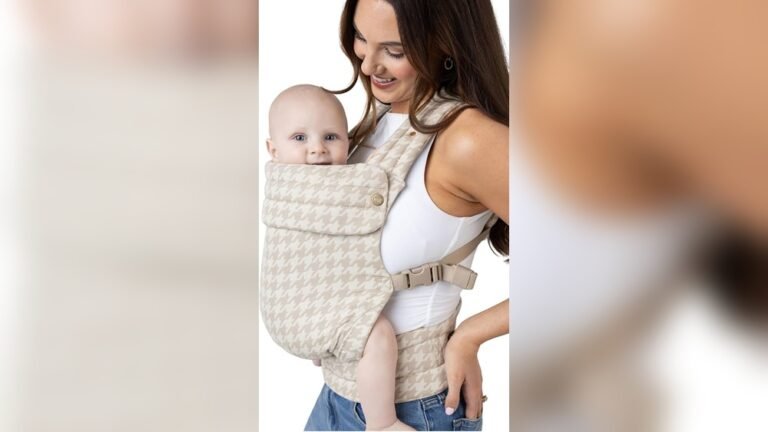
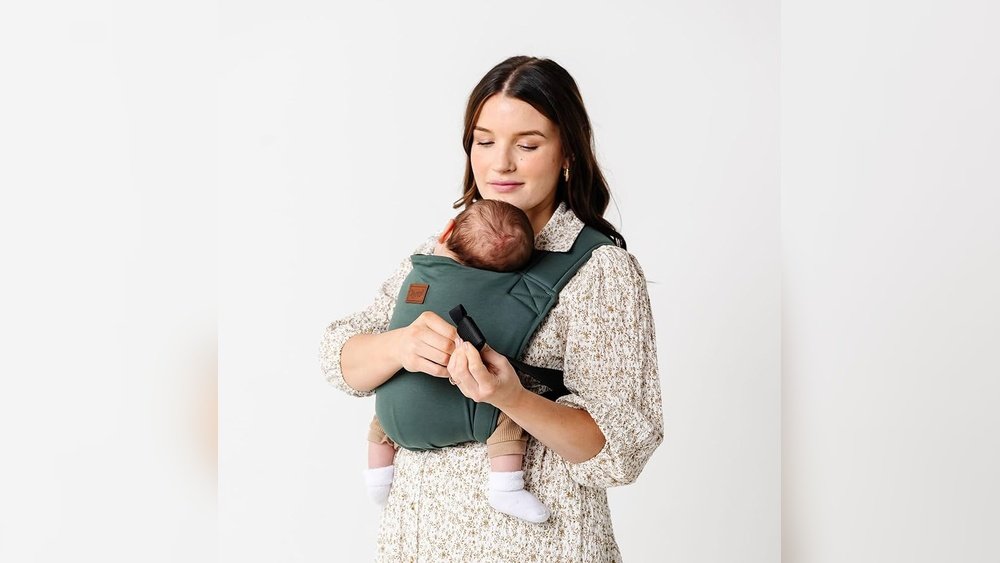
Soft structured carriers have padded straps and buckles. They offer good back support for parents. Many parents praise their comfort for long wear times. These carriers are easy to adjust and secure. They hold babies close and safely, ideal for active parents.
Ring Slings And Wraps
Ring slings are simple, with a long fabric looped through rings. Parents like them for quick on-and-off use. Wraps are long pieces of fabric wrapped around the body. They provide a snug fit and good baby support. Both types allow gentle carrying for newborns and small babies.
Hybrid Options
Hybrid carriers combine features of structured carriers and wraps. Parents find hybrids versatile for different baby ages. They often include adjustable straps and soft fabric. These carriers offer comfort and flexibility. Hybrids suit parents who want both support and softness.

Credit: www.amazon.com
Comfort Factors
Comfort plays a crucial role in choosing the right soft structured carrier. Parents often share their experiences about how these carriers feel during daily use. Comfort factors cover both the wearer’s ease and the baby’s support. These factors help parents decide which carrier suits their needs best.
Parent Comfort
Parents appreciate carriers with padded shoulder straps. Soft straps reduce pressure on the shoulders and neck. Breathable materials help avoid sweating during warm days. Many parents mention carriers with wide waist belts for extra support. These belts help distribute the baby’s weight evenly. Easy-to-use buckles and clips also add to comfort. Parents prefer carriers that do not require constant adjustments.
Baby Support
Babies need proper head and neck support, especially newborns. Many carriers provide a structured seat that keeps legs in an ergonomic “M” shape. This position supports healthy hip development. Soft padding around the baby’s body prevents discomfort. Parents also look for carriers with adjustable headrests. These features keep babies safe and cozy during long wear. A snug fit without too much tightness is preferred.
Adjustability Features
Adjustability is key for both parent and baby comfort. Parents report that carriers with multiple adjustment points work best. Adjustable straps and waistbands allow a custom fit. Some carriers offer height and width settings for the baby panel. This helps the carrier grow with the child. Quick-release buckles make it easy to put on and take off. Parents value carriers that fit different body shapes and sizes well.
Usability Insights
Parents share valuable insights about the usability of soft structured carriers. Their experiences highlight how these carriers perform in daily use. These reviews help new parents choose the right carrier with confidence.
Ease Of Use For New Parents
Many parents find soft structured carriers easy to learn. The adjustable straps and buckles simplify the process. New users can put on the carrier quickly after a few tries. Clear instructions and simple design reduce confusion. Parents appreciate carriers that allow hands-free movement.
Suitability For Newborns
Parents note that some soft structured carriers fit newborns well. A snug, safe fit is essential for tiny babies. Carriers with adjustable panels offer better support for newborns. Some models may feel bulky for very small infants. Choosing a carrier with newborn inserts improves comfort and safety.
Versatility For Different Caregivers
Soft structured carriers work well for moms, dads, and grandparents. Adjustable features allow easy sharing among family members. Parents like carriers that fit different body sizes comfortably. The ability to switch between front and back carry adds flexibility. Versatile carriers adapt to various caregivers’ needs with ease.
Top Carrier Brands
Choosing the right soft structured carrier is important for comfort and safety. Many parents share their experiences with top brands to help others decide. These brands offer models with different features to fit various needs. Reviews highlight what works well and what can be improved in each carrier.
Understanding the strengths and weaknesses of popular carriers helps parents pick the best option. Price and quality also play a major role in making the right choice. Here is a look at some of the top carrier brands and what parents say about them.
Popular Models Reviewed
Many parents talk about carriers from brands like Ergobaby, BabyBjörn, and Boba. Ergobaby Omni 360 is praised for its comfort and support. BabyBjörn One is noted for easy use and good fit. Boba X is liked for its adjustable design but some find it less comfortable for long wear. Each model has unique features that appeal to different parents.
Pros And Cons
Ergobaby carriers often get high marks for back support and padded straps. Some parents mention they can be bulky. BabyBjörn carriers are lightweight and simple but may lack extra padding. Boba carriers offer adjustable fits but may feel stiff at first. Parents appreciate easy cleaning in most models. Comfort, adjustability, and durability are common plus points across brands.
Price Vs Quality
Top carriers vary in price from budget-friendly to premium. Many parents find that mid-range carriers offer the best balance of quality and cost. Some premium models justify their price with better materials and design. Cheaper options may lack features or comfort for long use. Parents recommend investing in a carrier that feels good and lasts through growth stages.
Common Challenges
Soft structured carriers offer many benefits but also come with challenges. Parents often share common issues they face while using these carriers. Understanding these challenges helps new users set right expectations and find better solutions.
Fit Issues
Many parents notice fit problems with soft structured carriers. The carrier may not fit smaller or larger body types well. Some models lack adjustable panels, making newborn fitting hard. Improper fit can cause discomfort for both baby and parent. Choosing a carrier with flexible sizing options is important.
Strap Adjustments
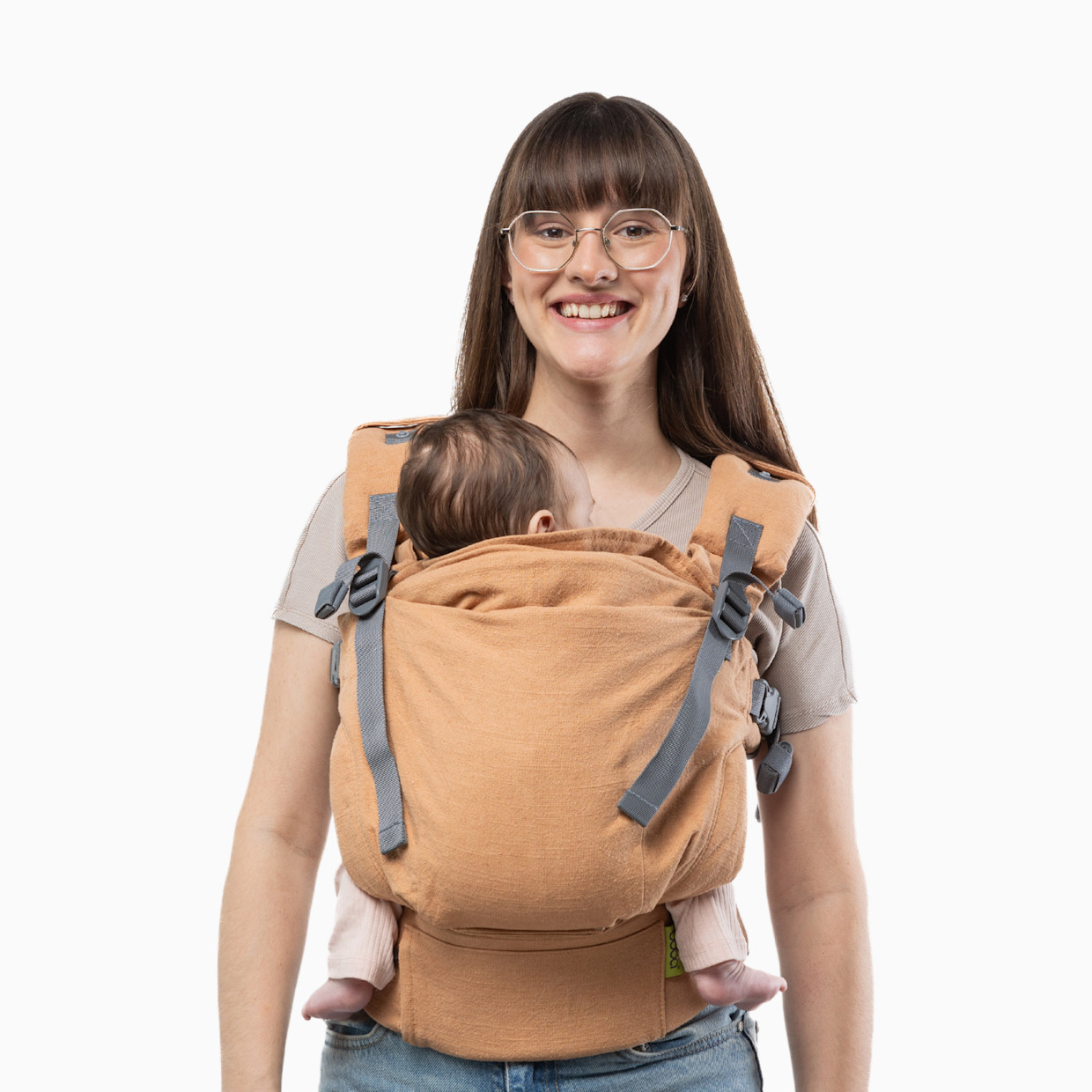
Strap adjustments can be tricky for many users. Straps may be difficult to tighten or loosen evenly. Some carriers do not offer perfect fit adjusters for shoulder straps. This can lead to uneven weight distribution and strain. Parents often spend time learning how to adjust straps properly.
Material Concerns
Material quality is another common concern. Some fabrics feel too stiff or cause sweating. Breathable, soft materials are preferred by most parents. Washing and durability also affect material satisfaction. Parents often look for carriers with easy-care and comfortable fabrics.
Credit: www.babylist.com
Maintenance Tips
Proper care extends the life of your soft structured carrier. Parents share simple maintenance tips that keep carriers safe and comfortable for babies. Following these tips ensures the carrier remains clean and sturdy through daily use.
Cleaning Guidelines
Check the manufacturer’s label before washing. Most carriers allow gentle machine washing on cold settings. Use mild detergent to protect fabric and padding. Avoid bleach and fabric softeners as they damage material. Air dry the carrier to keep its shape intact. Spot clean stains immediately with a damp cloth and mild soap. Regular cleaning prevents odors and keeps the carrier fresh for your baby.
Storage Recommendations
Store the carrier in a dry place to prevent mold and mildew. Avoid direct sunlight which can fade colors and weaken fabric. Keep the carrier folded neatly to avoid wrinkles and creases. Use a breathable bag or container for storage to allow air circulation. Do not place heavy objects on top of the carrier. Proper storage helps maintain the carrier’s support and comfort over time.
Parent Tips
Parents share valuable tips to help others choose and use soft structured carriers effectively. These tips focus on comfort, fit, and safety to ensure a positive babywearing experience. Understanding these practical insights can make carrying your baby easier and more enjoyable.
Choosing The Right Carrier
Select a carrier that fits your body type and lifestyle. Check the weight limits and size adjustments for your baby’s growth. Look for breathable fabrics to keep you and your baby cool. Try different models if possible before buying. Choose a carrier with easy-to-use buckles and straps for quick adjustments.
Maximizing Comfort
Adjust straps to distribute weight evenly across your shoulders and hips. Use the padded shoulder straps to reduce pressure points. Take breaks if you feel any discomfort or numbness. Position your baby close to your chest for better support. Use the carrier’s lumbar support feature to protect your back.
Safety Precautions
Ensure your baby’s face is always visible and not pressed against your body. Keep the baby’s airways clear by supporting their chin off their chest. Check all buckles and straps before each use for secure fastening. Avoid bending forward sharply while wearing the carrier. Follow the manufacturer’s guidelines for correct positioning and weight limits.

Credit: www.littlezenone.com
Frequently Asked Questions
What Is The Best Structured Baby Carrier?
The Ergobaby Omni 360 is widely praised for comfort, support, and versatility. It suits newborns to toddlers and offers multiple carrying positions.
What Is The Most Supportive Baby Carrier?
The most supportive baby carriers are soft-structured types like Ergobaby and BabyBjörn. They offer ergonomic comfort and adjustable support for both baby and parent.
What Are Common Problems With Mabe Carriers?
Common problems with MABE carriers include poor fit for newborns and lack of adjustable shoulder straps, reducing comfort and support.
Can Dads Wear Momcozy Carriers?
Yes, dads can wear Momcozy carriers. They feature a unisex design suitable for all caregivers. Momcozy carriers offer comfort, easy adjustment, and secure support for both moms and dads.
Conclusion
Parents appreciate the comfort and support soft structured carriers provide. Many find them easy to use and adjust for daily activities. Babies seem calm and secure, which helps parents stay hands-free. Some mention small fit issues, especially with newborns, but most feel the benefits outweigh these.
Choosing the right carrier depends on your baby’s size and your lifestyle. Overall, soft structured carriers remain a popular choice for many families. They offer practical support and keep babies close in a natural way.