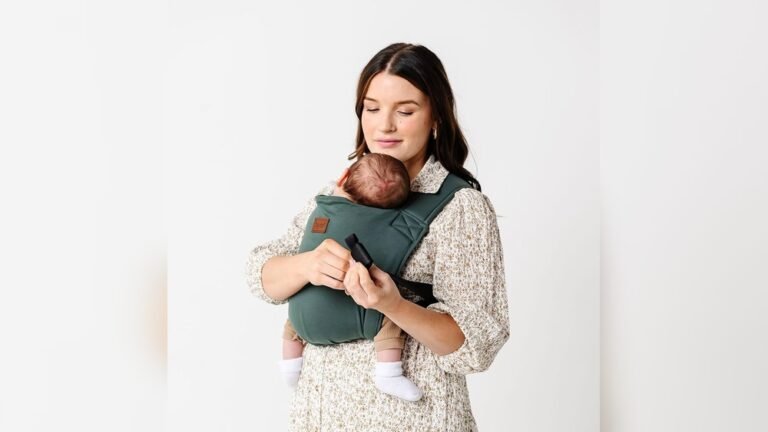

Best Step by Step Guide to Using Soft Structured Carrier
Are you ready to make your parenting journey easier and more comfortable? Using a soft structured carrier (SSC) can change how you carry your baby, giving you freedom and closeness at the same time.
But if you’re new to babywearing, it might feel tricky to figure out how to use it properly. Don’t worry—this step-by-step guide will walk you through everything you need to know. From adjusting the straps to ensuring your baby’s safety and comfort, you’ll learn simple techniques that make wearing your little one a breeze.
Keep reading, and soon you’ll be carrying your baby with confidence and ease, freeing your hands while keeping your baby snug and secure.
Soft Structured Carrier Basics
Understanding the basics of a soft structured carrier is important for every new parent. This type of carrier offers comfort and safety for both you and your baby. It supports your child’s body well and makes carrying easier during daily activities.
What Is A Soft Structured Carrier
A soft structured carrier is a baby carrier with padded straps and a sturdy waistband. It holds your baby close to your body in a seated position. The carrier uses buckles and adjustable straps for a secure fit. It supports your baby’s hips and spine in a natural way. This type of carrier is easy to use for parents and caregivers.
Key Features And Benefits
Soft structured carriers have padded shoulder straps that reduce pressure on your shoulders. The waist belt helps spread the baby’s weight evenly. The carrier allows hands-free carrying, which helps you move freely. It offers multiple carrying positions, including front and back carries. The fabric is soft but durable, keeping your baby comfortable. Many carriers include head and neck support for newborns. Using a soft structured carrier promotes bonding and closeness with your baby.
Choosing The Right Carrier
Choosing the right soft structured carrier is essential for a comfortable babywearing experience. The correct carrier supports your baby’s hips and spine while providing comfort for you. Many options exist, so knowing what to consider helps you pick the best one. Focus on size, fit, and trusted brands to ensure safety and ease of use.
Size And Fit Considerations
Check the carrier’s size to match your body and your baby’s weight. A good fit keeps the baby close and secure. Adjustable straps help customize the fit as your baby grows. The waist belt should fit snugly but not cause discomfort. Look for padded shoulder straps to ease pressure on your shoulders. Make sure the carrier supports the baby’s legs in the recommended frog position. This position helps prevent hip problems. Try the carrier on before buying, if possible. Comfort for both you and your baby matters most.
Recommended Brands
Choose brands known for safety and comfort. Brands like Ergobaby, Tula, and Boba offer well-designed carriers. They have wide support for newborns and toddlers. Their carriers include adjustable features for fit and comfort. Many parents trust these brands for daily use. Look for carriers that meet safety standards. Reading user reviews can help you find the right choice. Select a brand that offers good customer support and warranty. This ensures help if issues arise.
Preparing For Use
Preparing your soft structured carrier before use is essential for safety and comfort. Proper preparation ensures your baby stays secure and you feel supported. Taking the time to adjust and dress your baby right helps create a pleasant carrying experience.
Adjusting Straps And Buckles
Start by loosening all straps and unbuckling the carrier. Place the carrier around your waist and secure the waist belt snugly. Pull the shoulder straps over your shoulders. Adjust the straps evenly to fit your body shape. Make sure the buckles click firmly into place. Tighten the straps so the carrier fits close to your body. Avoid loose straps that might cause discomfort or instability. Check all buckles and straps before placing your baby inside.
Dressing Your Baby Appropriately
Dress your baby based on the weather and carrier material. Use light clothes in warm weather to avoid overheating. Add layers in cold weather for warmth. Avoid bulky clothes that make fitting difficult. Make sure your baby’s legs and arms move freely. Cover your baby’s head if it is cold outside. Check often to keep your baby comfortable and safe. Proper dressing prevents overheating and skin irritation inside the carrier.
Step By Step Wearing Process
Learning to wear a soft structured carrier correctly makes babywearing safe and comfortable. Follow these simple steps to position your baby securely. Each carry style offers unique benefits and comfort for both parent and child.
Front Carry Setup
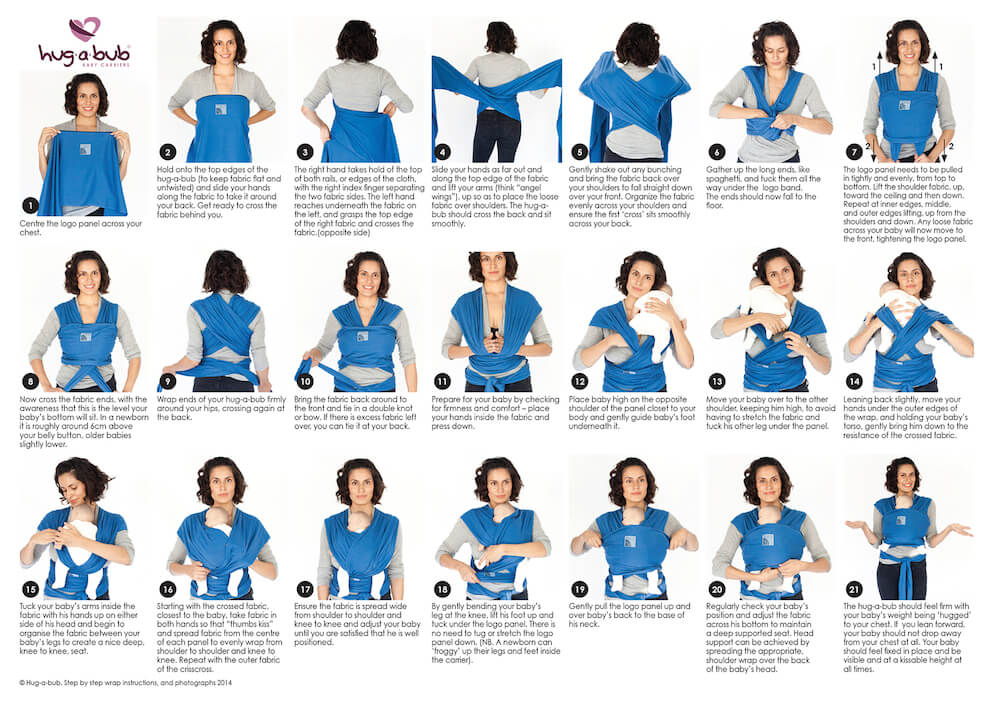
Start by loosening all the straps of the carrier. Fasten the waist belt snugly around your hips. Lift your baby and place them against your chest. Slide your arms through the shoulder straps. Tighten straps evenly to secure the baby close. Ensure your baby’s legs are in a frog-like position. Check that the baby’s head is supported but visible. Adjust the carrier so your baby rests high enough for easy breathing.
Hip Carry Positioning
Buckle the waist belt around your waist or hips. Hold your baby on one hip, supporting their bottom. Put one arm through the corresponding shoulder strap. Swing the other strap over the opposite shoulder. Tighten the straps to pull the baby close to your side. Make sure the baby’s legs are spread and supported. Keep the baby’s back straight and chest against you. Adjust straps for comfort and balance before moving.
Back Carry Techniques
Put on the waist belt and tighten firmly around your waist. Place your baby on your back, holding them securely. Slide your arms through the shoulder straps. Fasten the chest clip behind your back. Pull the straps tight to secure the baby in place. Ensure the baby’s legs wrap around your waist. Keep the baby’s back straight and head supported. Practice this carry only if you feel stable and confident.
Safety Tips And Guidelines
Using a soft structured carrier safely is essential for your baby’s comfort and your peace of mind. Following safety tips helps prevent accidents and ensures proper support. Always focus on secure and correct use.
Below are key safety guidelines to keep in mind while using your soft structured carrier.
Proper Baby Positioning
Place your baby in an ergonomic “frog” position. Their knees should be higher than their bottom. This position supports healthy hip development.
Keep your baby’s back curved naturally in a “C” shape. Support their head and neck, especially for newborns. Make sure their face is visible and not pressed against your body or fabric.
Avoiding Common Mistakes
Do not carry your baby too low on your body. Keep them close enough to kiss. Avoid loose straps or fabric that may cause slipping.
Check that your baby’s airway is clear. Avoid covering their face with fabric or clothing. Dress your baby appropriately for the weather to prevent overheating or chills.
Securing The Carrier
Fasten all buckles and straps tightly. Make sure the waist belt sits firmly on your hips. Adjust shoulder straps evenly to distribute weight.
Double-check all connections before moving. Test the carrier by gently bouncing your baby to ensure a secure fit. Regularly inspect your carrier for wear and tear.
Credit: babycarriersaustralia.net.au
Comfort And Support
Comfort and support are key when using a soft structured carrier. Both you and your baby need to feel secure and relaxed. A well-fitted carrier can reduce strain on your back and shoulders. It also helps your baby maintain a healthy posture. Proper comfort ensures longer, happier wearing sessions.
Ensuring Ergonomic Posture
Ergonomic posture protects your baby’s hips and spine. Position your baby so their legs form an “M” shape. The knees should be higher than their bottom. This supports healthy hip development. Check that your baby’s back is gently curved and well-supported. Your shoulders should stay relaxed, with straps snug but not tight. This reduces pressure on your neck and back.
Adjusting For Baby’s Growth
Babies grow fast and need carrier adjustments. Use adjustable straps to change the fit as your baby grows. Increase the seat width to keep the leg position correct. Raise or lower the carrier panel to support your baby’s head and neck. Make sure the carrier stays comfortable for both of you. Regular checks prevent discomfort and maintain safety during wear.
Cleaning And Maintenance
Keeping your soft structured carrier clean and well-maintained ensures safety and comfort for both you and your baby. Dirt, sweat, and spills can build up quickly. Regular cleaning prevents odor and fabric damage. Proper maintenance helps the carrier last longer and keeps it looking fresh.
Washing Instructions
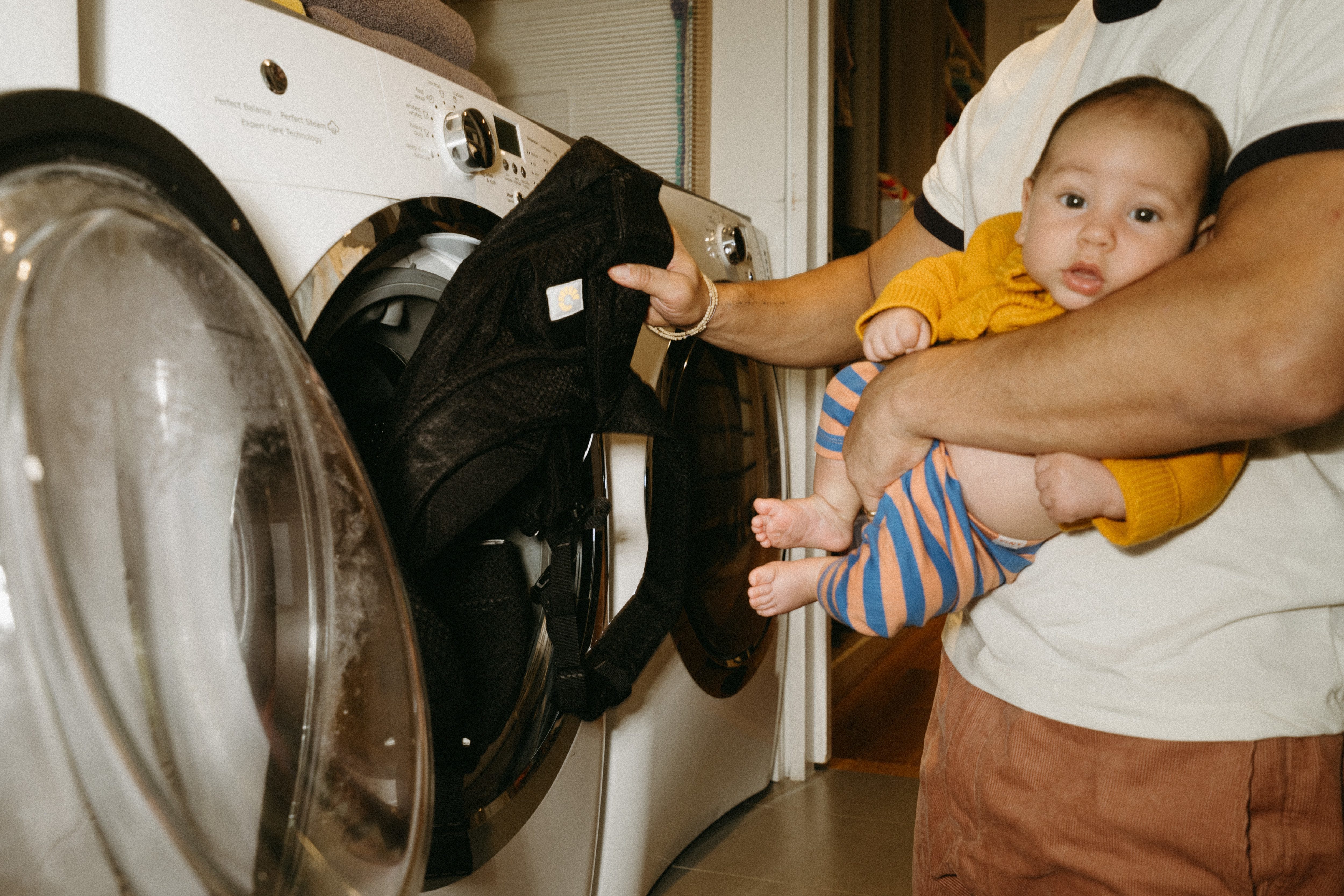
Check the label for specific washing guidelines. Most soft structured carriers can be machine washed. Use a gentle cycle with cold water. Choose mild detergent without bleach or fabric softeners. Avoid harsh chemicals that can weaken the fabric.
Remove any detachable parts before washing. Fasten all buckles and straps to avoid damage. It is best to place the carrier inside a laundry bag. Air dry the carrier by laying it flat or hanging it. Avoid direct sunlight to prevent fading. Do not use a dryer as heat can harm padding and straps.
Storage Tips
Store the carrier in a dry and cool place. Avoid damp areas to prevent mold and mildew. Keep it away from sharp objects that can tear the fabric. Fold the carrier neatly to save space and avoid wrinkles.
Regularly inspect buckles and straps for signs of wear. Replace parts if they show damage. Keeping your soft structured carrier clean and stored properly makes babywearing safe and enjoyable.

Credit: www.ergobaby.com
Troubleshooting Common Issues
Troubleshooting common issues with a soft structured carrier ensures comfort and safety for both you and your baby. Small adjustments can prevent discomfort and make babywearing more enjoyable. This section covers easy fixes for frequent problems.
Dealing With Strap Slack
Loose straps reduce support and cause strain. Tighten the shoulder straps by pulling the ends firmly. Make sure the straps lie flat without twisting. Check the waist belt for slack and tighten it snugly. Proper tension keeps your baby secure and close.
Strap slack may cause your baby to slump. This can lead to poor posture and discomfort. Adjust straps regularly as you move or your baby grows. Use the adjustable buckles to maintain a firm fit. Comfort improves when straps fit well.
Correcting Baby’s Position
Baby’s position is vital for safety and comfort. The baby should sit in a natural “frog” position. Knees should be higher than the bottom and spread apart. Check that your baby’s back is supported and slightly curved. Avoid slouching or leaning forward.
Keep your baby’s head close enough to kiss. This ensures good airway control. Adjust the carrier’s panel height if needed. Make sure the baby’s face is visible and clear of fabric. Correct positioning helps prevent hip problems and breathing issues.
Credit: ergobaby.com
Frequently Asked Questions
How To Use Baby Carrier Step By Step?
Place the carrier on a flat surface. Sit your baby in the carrier, ensuring a seated position. Slip your arms through the shoulder straps. Buckle and tighten the waist belt securely. Adjust shoulder straps for comfort and proper support. Check baby’s airway and leg positioning before moving.
What Is A Soft-structured Carrier?
A soft-structured carrier (SSC) is a padded baby carrier with adjustable straps and a waist belt. It supports ergonomic, frog-leg positioning for safe, comfortable babywearing.
What Are Some Common Babywearing Mistakes To Avoid?
Avoid carrying your baby too low or off-center. Ensure proper leg positioning and tighten straps securely. Choose the right carrier and dress your baby appropriately for the season.
How To Adjust Momcozy Baby Carrier For Newborn?
Place the newborn in the carrier’s infant insert or adjust panel. Tighten shoulder straps snugly. Ensure head and neck support. Check that baby’s legs form an “M” shape. Adjust waist belt for comfort and safety.
Conclusion
Using a soft structured carrier makes carrying your baby easier and safer. Follow the steps carefully to ensure comfort for you and your child. Adjust the straps to fit snugly and support your baby’s posture. Always check your baby’s position to keep them secure.
Practice often to build confidence and enjoy hands-free time. This guide helps you carry your baby with ease and care.
I’m Melissa Turner, a mom of two passionate about helping parents make confident buying decisions. I research and review baby gear, compare trusted products, and share practical parenting tips based on careful research. My goal is to simplify shopping with honest, easy-to-understand guides that put safety, comfort, and value first. I focus on baby carriers, strollers, feeding essentials, nursery products, and everyday parenting gear. I hope my recommendations help make your parenting journey a little easier and more enjoyable.