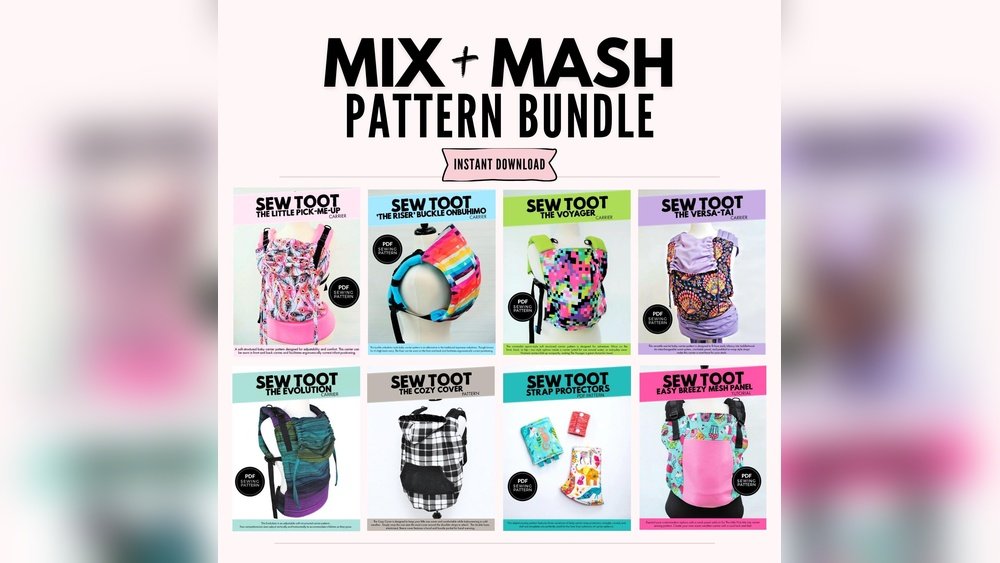
Full Comparison of Soft Structured Carrier | Top Guide 2026
Choosing the perfect soft structured carrier can feel overwhelming with so many options out there. You want something that’s comfortable for both you and your baby, easy to use, and safe for all-day wear.
But how do you know which carrier truly stands out? In this full comparison, you’ll discover the key features, pros, and cons of the top soft structured carriers on the market. By the end, you’ll have a clear understanding of which carrier fits your lifestyle and keeps your little one close and happy.
Keep reading to make an informed choice that you’ll feel confident about every time you step out with your baby.
Soft Structured Carrier Basics
Soft structured carriers (SSC) are popular choices for carrying babies safely and comfortably. They provide good support for both the baby and the wearer. These carriers have straps and buckles for easy adjustments and secure fit. Their design helps spread the baby’s weight evenly. This reduces strain on the back and shoulders during long carrying times.
Understanding the basics of soft structured carriers helps parents pick the right one. Each carrier has unique features, materials, and carrying options. These factors affect comfort, usability, and baby’s safety. Below is a detailed look at the key aspects of soft structured carriers.
Design And Features
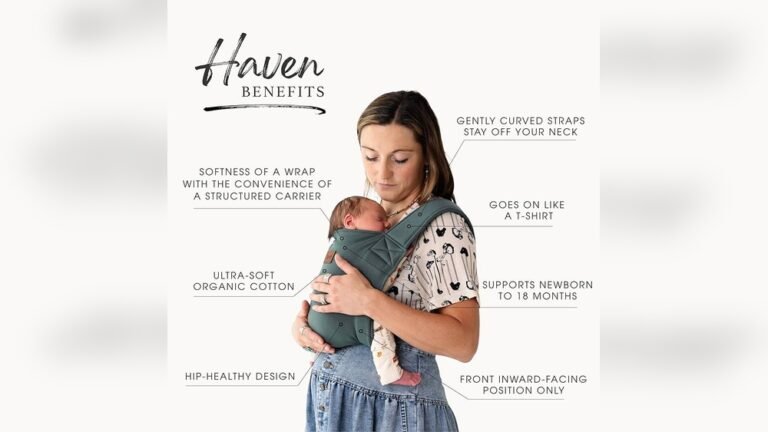
Soft structured carriers usually have padded shoulder straps and a wide waistband. These parts help distribute weight to avoid discomfort. Many carriers come with adjustable buckles to fit different body sizes. Some models include a hood to protect the baby from sun or wind. Storage pockets are also common for carrying small items. The seat area supports the baby’s hips in a healthy position. This design supports the natural curve of the spine.
Materials Used
Most soft structured carriers use soft, breathable fabrics like cotton or mesh. These materials keep the baby cool and comfortable. Some carriers use organic cotton, which is gentle on sensitive skin. The padding in the straps and waistband often contains foam for cushioning. Durable stitching and strong buckles ensure safety and long-lasting use. Choosing a carrier with easy-to-clean materials helps busy parents maintain hygiene.
Common Carrying Positions
Soft structured carriers allow various carrying positions for different ages and activities. The front carry is the most popular for newborns and young babies. It keeps the baby close and provides good head support. The hip carry is useful for older babies who want to see the surroundings. Back carry is great for toddlers and longer carrying periods. It gives the wearer more freedom to move. Each position supports the baby’s posture and comfort.
Top Brands In 2026
Choosing the right soft structured carrier matters for comfort and safety. Top brands in 2026 offer various models to fit different needs. Each brand has unique features, styles, and support. Parents can find carriers for newborns to toddlers with ease. Below is a detailed look at leading brands and their popular options.
Ergobaby Models
Ergobaby remains a favorite for many parents. Their carriers provide strong lumbar support and adjustable straps. Popular models include the Omni 360 and Embrace. These carriers allow front, back, and hip carries. They come with breathable fabrics ideal for all seasons. Ergobaby also offers ergonomic designs that support healthy hip development.
Babybjörn Options
BabyBjörn carriers focus on simplicity and ease of use. Their One Air and Move models are lightweight and compact. These options suit quick errands or travel. The carriers provide excellent head and neck support for newborns. Parents appreciate the easy buckles and machine washable materials. BabyBjörn designs aim for comfort without too many adjustments.
Lillebaby Variants
Lillebaby offers versatile carriers with six carrying positions. The Complete All Seasons model is popular for its temperature control. This carrier includes a lumbar support belt for extra comfort. It fits babies from newborn to toddler stages. Parents like the large storage pockets and padded straps. Lillebaby carriers balance functionality with ergonomic support.
Other Popular Brands
Many other brands also deliver quality soft structured carriers. Tula offers colorful patterns and soft fabrics. Boba focuses on newborn-friendly designs with padded straps. Infantino provides budget-friendly options with solid features. Each brand serves different parent preferences and budgets. Exploring these brands helps find the best match for each family.
Comfort And Fit
Comfort and fit rank high in choosing the right soft structured carrier. Both parent and baby need to feel good during use. A carrier that fits well prevents strain and keeps baby safe. Different models offer various features to enhance comfort. These details often make a big difference in daily use.
Shoulder Strap Padding
Soft, thick padding on shoulder straps eases pressure. It stops straps from digging into the skin. This feature is crucial for long wear times. Some carriers use memory foam for extra softness. Padding also helps distribute weight evenly across shoulders.
Adjustability
Adjustable straps allow a custom fit for different body types. Parents can tighten or loosen straps quickly. This flexibility supports comfort during growth or clothing changes. Look for carriers with easy-to-use buckles and sliders. Proper adjustability ensures the baby stays snug and secure.
Support For Parent And Baby
Good carriers balance support for both parent and baby. Firm waistbands reduce lower back strain for parents. A structured seat holds the baby’s hips in a healthy position. Proper support helps prevent discomfort and fatigue. Many carriers include lumbar support for added relief.
Safety And Durability
Safety and durability are key factors in choosing a soft structured carrier. Parents want a carrier that protects their baby and lasts through daily use. These qualities ensure comfort and peace of mind during every outing. Understanding the materials, certifications, and lifespan helps make the best choice.
Material Strength
Soft structured carriers use strong fabrics like cotton, polyester, and nylon blends. These materials resist tearing and stretching under weight. Reinforced stitching adds extra support at stress points. Padded straps and waistbands distribute weight evenly for durability. This strength keeps the carrier safe and comfortable for long periods.
Safety Certifications
Look for carriers tested by safety organizations. Certifications such as ASTM, CPSIA, and EN13209 prove product reliability. These tests check for choking hazards, toxic substances, and secure fastenings. Certified carriers meet strict standards to protect your child. Choosing certified carriers reduces risks and boosts confidence.
Longevity And Wear
Durable carriers withstand regular use and washing without damage. Quality fabrics maintain shape and color over time. Well-made buckles and straps last through repeated adjustments. Some brands offer warranties covering wear and defects. A long-lasting carrier saves money and ensures ongoing safety for your baby.
Ease Of Use
Ease of use is a key factor when choosing a soft structured carrier. Parents prefer carriers that save time and effort. A carrier that is simple to put on and take off adds convenience. Adjusting the carrier while wearing it is important for comfort. Cleaning and maintenance should also be easy to handle. This section breaks down these points for a clear understanding.
Putting On And Taking Off
Soft structured carriers usually have buckles and straps. These make putting on and taking off quick and simple. Many designs allow you to secure the baby with one hand. This is handy when your other hand is busy. Some carriers may feel tricky at first but get easier with practice. Look for carriers with clear instructions and intuitive clips.
Adjusting While Wearing
Comfort depends on how well you can adjust the carrier. Good carriers let you tighten or loosen straps easily. This helps keep your baby secure and comfortable. Adjustments should be possible without removing the carrier. Padding on straps adds comfort during long wear. A carrier with adjustable head support is a plus for babies.
Cleaning And Maintenance
Soft structured carriers get dirty from daily use. Choose one made from machine-washable fabric. This saves time and effort in cleaning. Avoid carriers with many small parts that are hard to clean. Some fabrics dry quickly, which is useful for busy parents. Regular cleaning keeps the carrier fresh and safe for your baby.
Credit: www.thesleepstore.co.nz
Suitability For Different Ages
Choosing a soft structured carrier depends largely on your child’s age. Different ages require different support and comfort levels. Understanding how these carriers suit newborns, toddlers, and growing babies helps you pick the right one. This section breaks down the suitability for various age groups.
Newborn Compatibility
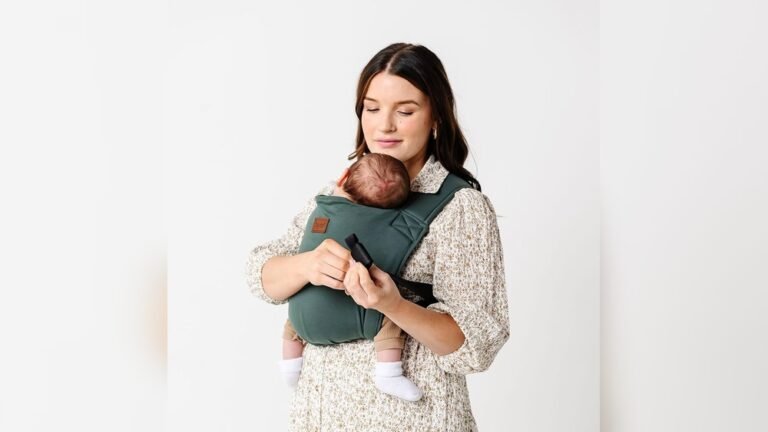
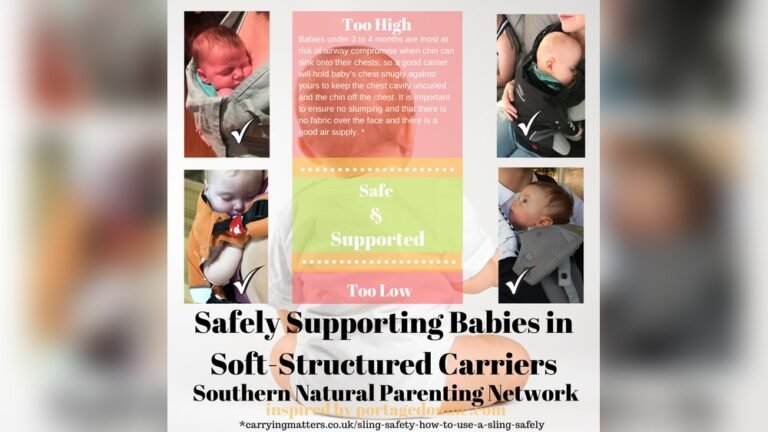
Soft structured carriers often include inserts or adjustable features for newborns. These features provide extra head and neck support. Some carriers are designed to hold newborns close, mimicking a womb-like environment. This promotes safety and comfort for very young babies. Not all carriers fit newborns well without added support. Check for carriers that mention newborn use or have removable inserts.
Toddler Use
Toddlers need carriers that support greater weight and size. Many soft structured carriers have higher weight limits for toddlers. They offer wider seats and stronger straps to hold bigger children comfortably. Some designs allow front, back, or hip carrying positions. This flexibility helps parents carry active toddlers safely. Look for carriers with padded waistbands to distribute the toddler’s weight evenly.
Growth Adaptability
Growth adaptability means the carrier adjusts as the child grows. Many soft structured carriers feature adjustable straps and seat widths. These adjustments ensure the carrier fits babies from infancy through toddlerhood. Some models convert from newborn to toddler mode easily. This saves money by avoiding multiple carriers. A carrier with growth adaptability supports your child’s development stages comfortably and safely.
Breathability And Climate
Breathability and climate play a crucial role in choosing the right soft structured carrier. A carrier that allows good airflow keeps both baby and wearer comfortable. Heat buildup and sweat can cause discomfort during long wear. Understanding how different carriers manage airflow and moisture helps pick the best option for your climate.
Mesh And Airflow Features
Many soft structured carriers use mesh panels to improve breathability. Mesh fabric allows air to pass through easily. This design reduces heat buildup around the baby and wearer. Carriers with large mesh areas work well in hot weather. Some carriers combine mesh with solid fabric for balance. This mix offers support while keeping air circulating.
Seasonal Use
Soft structured carriers vary in suitability for different seasons. Lightweight carriers with breathable mesh are great for summer. They help keep skin cool and dry. For colder months, carriers with thick padding provide warmth. Some models come with detachable covers or layers. This feature lets you adjust the carrier for changing weather.
Moisture Management
Moisture-wicking fabrics draw sweat away from the skin. This helps keep both baby and wearer dry and comfortable. Some carriers have special linings that speed drying. Good moisture management prevents skin irritation and rashes. Choosing a carrier with this feature is important for active parents or warm climates.
Price And Value
Price and value play a key role in choosing the right soft structured carrier. Parents want a carrier that fits their budget and offers good quality. Prices vary widely, from basic models to high-end carriers with extra features.
Understanding the price categories helps buyers find the best fit for their needs. This section breaks down options by budget, mid-range, and premium models.
Budget Options
Budget soft structured carriers offer basic comfort and safety. These carriers are simple but reliable. They often use standard materials and fewer features. You can find good quality carriers under $50. Ideal for occasional use or short walks. Great for families on a tight budget.
Mid-range Choices
Mid-range carriers balance price and comfort well. They usually cost between $50 and $150. These models include extra padding and adjustable straps. They often support longer wear times and better ergonomics. Many come with small storage pockets or sunshields. A solid choice for regular babywearing.
Premium Models
Premium soft structured carriers cost above $150. They offer advanced support and multiple carrying positions. High-quality fabrics and durable stitching are common. Some models have breathable mesh for hot weather. Extra accessories like infant inserts or lumbar support add value. Best for parents seeking long-term use and maximum comfort.
User Reviews And Ratings
User reviews and ratings provide real-world insights into soft structured carriers. They reveal how actual users feel about comfort, ease, and safety. These reviews help parents decide which carrier fits their needs best. Feedback comes from parents and experts, offering a well-rounded view.
Parent Feedback
Parents praise soft structured carriers for comfort and support. Many mention how the padded straps reduce shoulder strain. Users find them easy to put on without help. Some parents report carriers fit well for newborns and toddlers alike. A few note difficulty adjusting the straps initially. Many appreciate the carriers’ durability during daily use. Overall, parents value carriers that allow hands-free movement.
Expert Opinions
Experts highlight the ergonomic design of soft structured carriers. They say these carriers promote healthy hip positioning for babies. Many recommend them for longer carrying periods due to comfort. Experts often praise the adjustable features that suit different body types. Some caution that fit varies, so trying before buying helps. They stress choosing carriers with strong safety certifications. Experts agree these carriers balance comfort and security well.
Common Praise And Complaints
Common praise includes good lumbar support and ease of use. Users like carriers that distribute baby weight evenly. Many appreciate pockets and storage options on some models. Common complaints focus on bulky designs that limit flexibility. Some users find carriers too warm in hot weather. A few mention that cleaning can be tricky with certain fabrics. Noise from buckles and clips also bothers some parents. Despite this, most reviews remain positive overall.
Soft Structured Carrier Vs Other Types
Soft structured carriers (SSCs) offer a unique blend of support and comfort. They differ from other baby carriers in design and use. Understanding these differences helps parents choose the right carrier for their needs. The comparison covers baby wraps, ring slings, and mei tais. Each type suits different activities and preferences.
Comparison With Baby Wraps
Baby wraps are long pieces of stretchy fabric. They wrap around the body to hold the baby close. Wraps offer a snug fit and adjust easily for newborns. They feel soft and cozy but take time to learn. Soft structured carriers have buckles and padded straps. They provide more support for longer wear. SSCs are quicker to put on than wraps. Wraps need practice to tie correctly. SSCs keep the baby secure without retying.
Comparison With Ring Slings
Ring slings use a long piece of fabric with metal rings. They allow easy adjustment with one shoulder carry. Ring slings are lightweight and great for quick tasks. They work well for newborns and older babies. Soft structured carriers distribute weight on both shoulders. This reduces strain during long use. SSCs offer more padding and structure than slings. Ring slings require some skill to adjust safely. SSCs are more straightforward and stable for active parents.
Comparison With Mei Tais
Mei tais combine features of wraps and SSCs. They have a panel of fabric with straps to tie around the waist and shoulders. Mei tais offer good support and are adjustable. They fit a wide range of baby sizes. Mei tais need tying skill but less than wraps. Soft structured carriers use buckles for fast securing. SSCs often include extra padding for comfort. Mei tais give a traditional feel with modern support. SSCs may be easier for quick trips and outdoor use.
Choosing The Right Carrier For You
Choosing the right soft structured carrier is key for comfort and ease. The best carrier fits your daily activities, body, and your baby’s comfort. This section guides you through important points to consider. Think about your lifestyle, physical needs, and your baby’s preferences. These factors help you pick a carrier that works well for both of you.
Lifestyle Considerations
Consider how often you plan to use the carrier. Are you mostly at home or outdoors? Some carriers offer more support for long walks or hikes. Others work well for short trips or errands. Think about how easy it is to put on and take off. A carrier that fits your daily routine saves time and effort. Also, check if it fits well with your clothes and climate.
Physical Needs
Your body shape and strength matter. A carrier with padded straps can reduce shoulder pressure. Look for adjustable features to fit your size comfortably. If you have back pain, choose one with extra lumbar support. Weight distribution is important to avoid strain. Also, consider if you want to carry your baby on the front, back, or hip. This affects comfort and posture.
Baby’s Preferences
Babies react differently to carriers. Some like close contact and snug fits. Others prefer more space and freedom to move. Observe your baby’s comfort in different positions. Soft padded seats and head support help newborns feel secure. Older babies may enjoy facing out to see surroundings. Choose a carrier that supports healthy hip and spine development. Comfort for your baby encourages longer, happy wearing times.

Credit: szoneier.com

Credit: www.newtel.pe
Frequently Asked Questions
What Is A Soft Structured Carrier?
A soft structured carrier is a padded baby carrier with adjustable straps. It offers ergonomic support and comfort for both baby and parent during carrying.
How Do Soft Structured Carriers Differ?
They have a firm shape, padded straps, and buckles. Unlike wraps, they provide more support and are easier to use.
Are Soft Structured Carriers Safe For Newborns?
Yes, many SSCs are designed for newborns with proper inserts. Always follow manufacturer guidelines for safe positioning and weight limits.
What Are The Benefits Of Soft Structured Carriers?
They offer comfort, hands-free convenience, and multiple carrying positions. SSCs evenly distribute baby’s weight, reducing strain on the wearer.
Conclusion
Choosing the right soft structured carrier depends on your needs and comfort. Each carrier offers unique features and benefits. Consider weight, support, and ease of use carefully. Try different styles to find your best fit. A well-chosen carrier makes carrying your baby easier and safer.
Keep your baby close while staying hands-free. This guide helps you make an informed choice with confidence.
I’m Melissa Turner, a mom of two passionate about helping parents make confident buying decisions. I research and review baby gear, compare trusted products, and share practical parenting tips based on careful research. My goal is to simplify shopping with honest, easy-to-understand guides that put safety, comfort, and value first. I focus on baby carriers, strollers, feeding essentials, nursery products, and everyday parenting gear. I hope my recommendations help make your parenting journey a little easier and more enjoyable.