

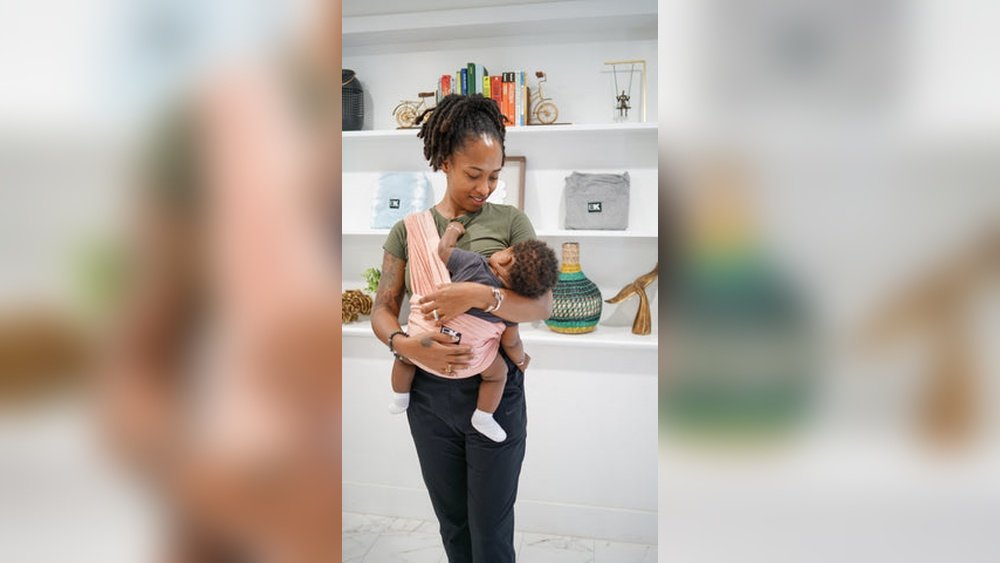
Expert Comfort & Safety Tips for Using Ring Sling
If you’ve ever struggled to find a baby carrier that feels both secure and comfortable, a ring sling might just be the answer you’re looking for. Whether you’re a new parent or an experienced babywearer, mastering the ring sling can transform your daily routine.
But getting it right isn’t always easy, there’s a learning curve that can leave you frustrated or unsure. That’s why we’ve gathered expert tips to help you use your ring sling safely, comfortably, and with confidence. Keep reading to discover simple adjustments and tricks that can make wearing your baby feel natural and enjoyable for both of you.
Your journey to stress-free babywearing starts here.

Credit: www.bibliotecaoscura.com
Choosing The Right Ring Sling
Choosing the right ring sling is key for comfort and safety. The right sling fits your body and supports your baby well. It feels good to wear and makes babywearing easier. Focus on fabric, ring materials, and sizing to find the best match.
Fabric Types And Weaves
Fabric affects comfort and support. Cotton is soft and breathable, great for warm weather. Linen is strong and cool, ideal for hot climates. Bamboo blends feel silky and stretch slightly. Thick fabrics hold baby firmly but can feel warm. Lightweight fabrics are easy to adjust but may need more tightening. Choose a weave that balances strength and comfort for daily use.
Ring Materials And Sizes
Rings connect the sling and help adjust fit. Aluminum rings are light and strong, perfect for long wear. Stainless steel rings are heavy but very durable. Plastic rings are light but less sturdy. Ring size affects how easy it is to tighten the sling. Larger rings allow smoother adjustments. Smaller rings fit compactly but may be harder to use. Pick rings that feel secure and easy to handle.
Sizing For Body Types
Ring slings come in different lengths to suit body types. Longer slings fit taller or larger bodies better. Shorter slings work well for petite frames. The right length helps spread baby’s weight evenly. It also makes wrapping quicker and more secure. Consider your height and torso length when choosing sling size. A well-sized sling improves comfort for both wearer and baby.

Credit: wildbird.co
Proper Ring Sling Setup
Setting up a ring sling properly ensures safety and comfort for both you and your baby. A well-prepared sling supports your baby’s weight evenly and keeps them close. Correct setup also helps avoid strain on your shoulders and back. Follow simple steps to get the perfect fit every time.
Threading The Sling Correctly
Start by holding the fabric and threading the tail through both rings. Pull the fabric over the top ring and under the bottom ring. Make sure the fabric lies flat without twists. This method locks the sling securely and allows easy adjustment.
Positioning The Rings
Place the rings just below your shoulder, near your collarbone. This position helps the sling stay tight and supports your baby well. Avoid placing the rings too close to your neck or far back on your shoulder. Proper ring placement improves comfort and safety.
Adjusting For Comfort
After placing your baby in the sling, pull the tail to tighten. Spread the fabric wide across your shoulder for better weight distribution. Check that your baby is seated in a natural “M” shape with knees higher than their bottom. Keep adjusting the sling until both you and your baby feel secure and comfortable.
Safe Baby Positioning
Safe baby positioning is the key to a comfortable and secure ring sling experience. Proper placement protects your baby’s hips, spine, and airway. It also helps your baby feel calm and supported. Each step in positioning matters and ensures your sling carry is safe for your little one.
Achieving A Deep Seat
A deep seat means your baby sits low in the sling. Their bottom rests near your opposite hip. Spread the fabric wide from knee to knee. This supports healthy hip development and keeps baby secure. The deeper the seat, the better the weight is distributed.
Maintaining The ‘m’ Leg Position
The ‘M’ position means baby’s knees are higher than their bottom. Legs spread apart and bent at the knees form this shape. It supports hips and prevents strain. Always check that baby’s legs do not hang straight down. This position is best for comfort and safety.
Supporting Baby’s Head And Neck
Babies need strong head and neck support. Use the sling fabric to gently cradle the head. Keep the head close enough to kiss. Ensure the neck is straight, not bent or twisted. Proper support prevents slipping and keeps airways open.
Comfort Tips For Wearers
Wearing a ring sling can feel natural with the right comfort tips. Comfort helps you enjoy babywearing longer and safer. Focus on how the sling fits your body and supports your baby. Small changes can make a big difference. Here are key tips to keep you comfortable while using a ring sling.
Distributing Weight Evenly
Spread the fabric wide across your shoulder to share the baby’s weight. Avoid letting the sling bunch up in one spot. Use the sling’s rings to adjust for a snug but even fit. Keep the baby close to your body to reduce strain. Even weight prevents soreness and fatigue.
Shoulder And Back Support
Position the sling so it rests across your shoulder and upper back. This helps support your spine and reduces tension. Keep your shoulder relaxed, not raised or stiff. Adjust the sling after each use to maintain good posture. Strong support stops aches and improves comfort.
Avoiding Common Pressure Points
Check for tight spots where the sling presses into your skin. Move the fabric to avoid pressure on your neck or collarbone. Use extra padding if needed for sensitive areas. Watch for signs of redness or discomfort during wear. Avoiding pressure points keeps wearing pain-free and easy.
Techniques For Different Ages
Using a ring sling changes as your child grows. Different ages need different techniques for comfort and safety. Adjusting your carry helps both you and your baby enjoy every moment. This section covers tips for newborns, older babies, and toddlers. It also explains how to adapt the sling as your child grows.
Newborn Carrying Tips
Support your newborn’s head and neck carefully. Use a tight and snug carry to keep your baby secure. Position your baby in an upright, chest-to-chest hold. Keep the sling fabric spread wide over your shoulder for even weight. Always check that your baby’s airway stays clear. Avoid slack fabric around the face or chin. Keep your baby’s legs in an “M” shape for healthy hip support.
Carrying Older Babies And Toddlers
Use a deeper seat to support your baby’s hips and thighs. Spread the sling fabric well to distribute weight evenly. Try side carries for toddlers who like to look around. Adjust the sling to keep your child close and comfortable. Watch for signs of discomfort or pressure points. Change positions often to ease your load. Keep the baby’s legs in a natural, open position. Make sure your toddler can breathe easily and move their head freely.
Adapting For Growth
Loosen or tighten the sling to fit your growing child. Adjust fabric spread to balance weight on your shoulder. Change the ring placement to improve comfort as your baby gets bigger. Check the sling regularly for wear or damage. Practice different carries as your child gains strength. Keep safety as the top priority at every stage. Use the sling to build a strong bond while keeping your baby safe and cozy.
Troubleshooting Common Issues
Troubleshooting common issues with your ring sling can save time and improve comfort. Many users face small challenges that are easy to fix. Identifying these problems early helps keep baby safe and happy.
Most difficulties come from fabric slipping, twists, or improper tightness. Learning simple fixes ensures a secure fit every time. This section covers common problems and clear solutions for them.
Fixing Slipping Fabric
Slipping fabric makes the sling feel loose and unsafe. Check the fabric is threaded correctly through both rings. Pull the tail end firmly to tighten the sling.
Use a smooth fabric that grips well. Avoid slippery materials like silk blends. Spread the fabric wide across your shoulder to distribute weight evenly. This reduces slippage.
Dealing With Ring Sling Twists
Twists in the sling cause discomfort and uneven support. Before placing your baby, straighten the fabric from the rings to your shoulder. Smooth out any wrinkles or folds.
Re-thread the sling if the twists persist. Make sure the fabric lies flat on your body. Keep checking the sling during use to prevent new twists.
Adjusting Tightness Easily
The sling should feel snug but comfortable. To adjust tightness, pull the tail slowly while holding the rings steady. This tightens the sling around your baby.
Loosen by lifting the rings slightly and easing the fabric back. Practice adjusting a few times to find the right tension. A well-adjusted sling supports baby close to your body.
Cleaning And Maintenance
Keeping your ring sling clean and well-maintained ensures safety and comfort. Regular care extends the sling’s life and keeps it looking fresh. Follow simple steps to clean and care for your sling properly.
Washing Guidelines
Use gentle detergent without bleach or fabric softeners. Hand wash or machine wash on a delicate cycle with cold water. Avoid hot water to prevent fabric damage. Rinse thoroughly to remove all soap. Air dry flat or hang in shade to keep fabric strong. Do not tumble dry or iron the sling. Clean spills quickly to avoid stains.
Ring Care
Check the rings regularly for scratches or damage. Clean rings with a soft cloth and mild soap if needed. Avoid harsh chemicals that can weaken metal. Dry rings completely after washing to prevent rust. Do not twist or force the rings during use. Replace rings if you see any cracks or sharp edges.
Storage Tips
Store your ring sling in a cool, dry place away from direct sunlight. Fold the sling neatly to avoid wrinkles or creases. Keep rings separate from heavy objects to prevent dents. Use a breathable bag or cotton pouch for storage. Avoid damp areas to prevent mold or mildew. Regularly check sling condition before use.
Advanced Carrying Styles
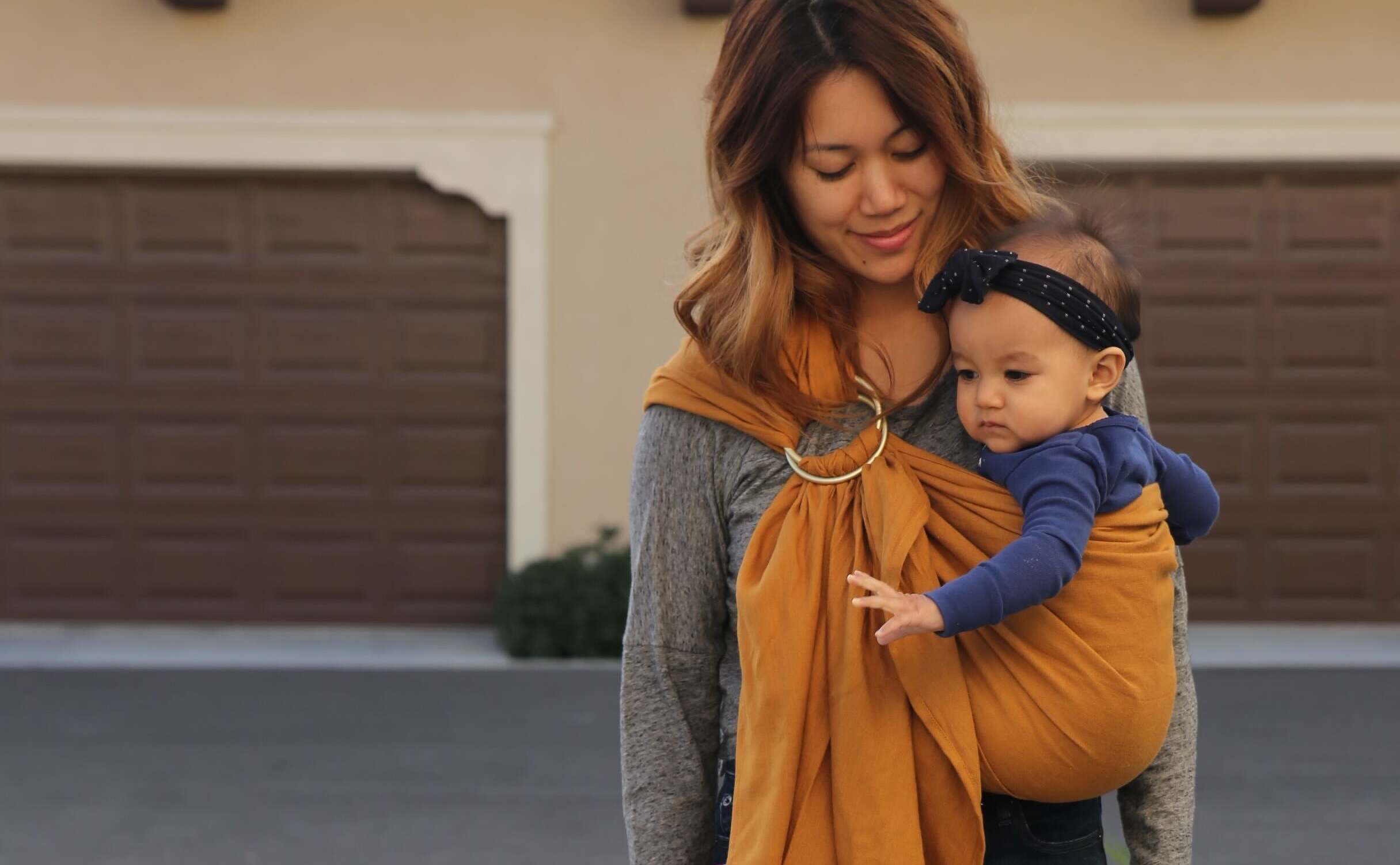
Advanced carrying styles with a ring sling offer versatility and comfort. They let you carry your baby in different positions as they grow. Each style supports your baby’s development and keeps them close to you. These carries also free your hands for daily tasks. Understanding these options helps you choose the best carry for your needs.
Front Carries
Front carries keep your baby close and secure on your chest. They provide good support for newborns and young infants. The baby faces inward, allowing eye contact and bonding. This style distributes weight evenly across your shoulder and back. Adjust the sling to keep the baby’s legs in an “M” shape. This position supports healthy hip development and comfort.
Hip Carries
Hip carries allow your baby to sit on your side, perfect for older infants. This style lets your baby explore the world while staying close. It frees up your arms for tasks and helps balance weight. Make sure the sling is tight and the baby is high enough for safe support. Always check that your baby’s legs are well supported and hips are open.
Back Carries
Back carries offer great support for toddlers and active babies. This style is ideal for longer periods of carrying and outdoor activities. It spreads your baby’s weight across your back and shoulders. Practice this carry with help until you feel confident. Keep the baby’s hips in a healthy position and secure the sling rings properly. This carry gives you freedom and keeps your baby comfortable.
Credit: www.babylist.com
Frequently Asked Questions
What Is The Best Way To Position A Baby In A Ring Sling?
Position your baby in an ergonomic “M” shape with knees higher than their bottom. Ensure the baby sits deep in the sling for proper support and comfort.
How Do I Adjust The Ring Sling For A Secure Fit?
Place the rings just below your collarbone and spread the fabric wide over your shoulder. Tighten the sling to keep your baby close and well-supported.
Can Ring Slings Be Used For Newborns Safely?
Yes, ring slings are safe for newborns when used correctly. Always support your baby’s neck and head, and keep them in an ergonomic position.
How Do I Avoid Shoulder Pain When Using A Ring Sling?
Spread the fabric wide across your shoulder and back to distribute weight evenly. Adjust the sling tightness to prevent strain and improve comfort.
Conclusion
Using a ring sling can make carrying your baby easier and more comfortable. Practice the tips shared to ensure safety and support. Always keep your baby’s legs in the correct “M” position for healthy hip development. Adjust the fabric and rings to fit your body well.
Remember, patience helps you learn the best way to use your sling. Enjoy the closeness and freedom that a ring sling offers. Keep trying, and soon using it will feel natural and simple.
I’m Melissa Turner, a mom of two passionate about helping parents make confident buying decisions. I research and review baby gear, compare trusted products, and share practical parenting tips based on careful research. My goal is to simplify shopping with honest, easy-to-understand guides that put safety, comfort, and value first. I focus on baby carriers, strollers, feeding essentials, nursery products, and everyday parenting gear. I hope my recommendations help make your parenting journey a little easier and more enjoyable.


