Bassinet vs Crib: How to Choose the Right Bed for Your Baby
Choosing between a bassinet and a crib depends mostly on your baby’s age and your available bedroom space, as a bassinet is a smaller, portable option for the first 4 to 6 months, while a crib is a larger, permanent piece of furniture that lasts until your child is ready for a toddler bed. You’ll need to weigh portability against long-term utility to decide which setup fits your home and budget.
When to Choose a Bassinet or a Crib

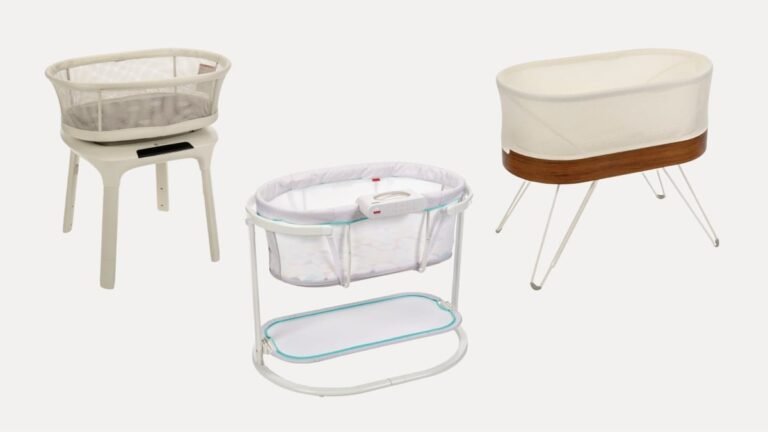
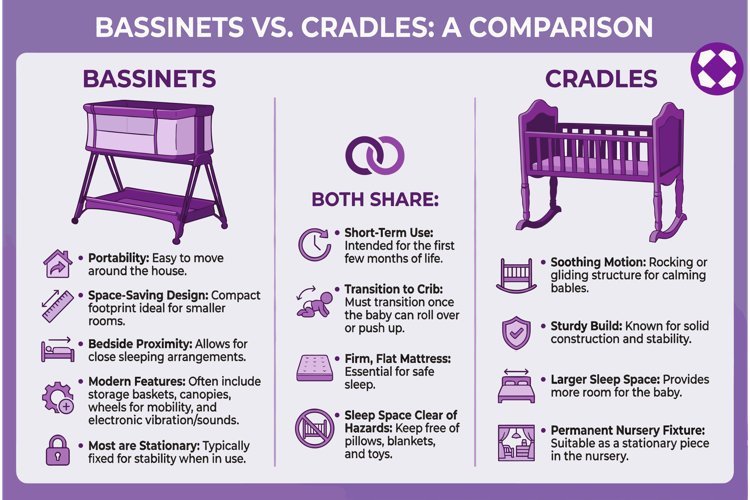
The most important difference between these two sleep spaces is how long they stay useful. A bassinet is designed for newborns who can’t yet roll over or push up on their hands and knees. Because they’re smaller, they often fit right next to your own bed, which makes nighttime feedings easier. Once your baby shows signs of rolling, you must stop using a bassinet immediately to avoid the risk of them tipping it over.
If your baby consistently wakes up when you move them from your arms to a distant nursery, the bedside proximity of a bassinet is worth the short-term cost. However, if you have limited floor space, skip the bassinet entirely. A standard crib can be placed in your bedroom from day one, provided you have at least 30 inches of clearance around the perimeter for safe access.
A crib is a much larger investment that serves as a primary sleeping area for years. Most standard cribs are designed to meet strict safety standards, which mandate specific slat widths and mattress support requirements. You can use a crib from the day you bring your baby home until they’re roughly 35 inches tall or start climbing out of the sides.
If you choose a crib, ensure the mattress is at its highest setting for a newborn who can’t yet sit up. Lower the mattress to the bottom position the moment your baby can sit up unassisted. This simple adjustment prevents falls that occur when a child discovers they can pull themselves up on the railing.
| Feature | Bassinet | Crib |
|---|---|---|
| Duration of use | Up to 4-6 months | Up to 2-3 years |
| Footprint size | Small (fits bedside) | Large (needs nursery) |
| Portability | High (often wheels) | Low (stationary) |
| Storage space | Minimal | High |
Essential Safety Rules for Both
Regardless of the sleeping space you choose, safety remains the same for every infant. You should always place your baby on their back to sleep on a firm, flat surface. Never add soft bedding, pillows, stuffed animals, or loose blankets to the sleep area, as these items can block a baby’s airway. Keeping the environment clear ensures that your child can breathe freely throughout the night.
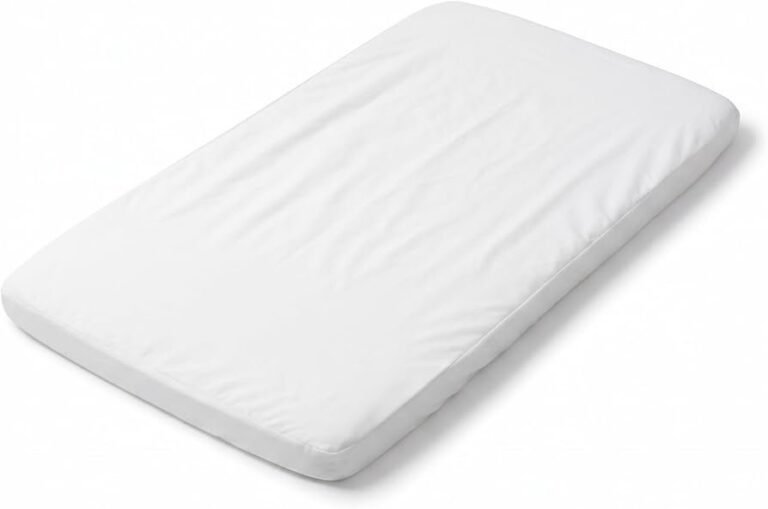
Ensure the mattress fits snugly against all sides of the frame. If you can fit more than two adult fingers between the mattress and the wall of the crib or bassinet, the gap is too wide and poses a risk of head entrapment. Replace the mattress immediately if it shows signs of sagging or compression.
If you opt for a bassinet, check the weight limit provided by the manufacturer. Even if your baby hasn’t reached the age limit, they might exceed the weight capacity, which makes the base unstable or prone to tipping.
For cribs, lower the mattress height as soon as your baby learns to sit up. This prevents them from pulling themselves up and falling over the top rail. If you notice your baby attempting to climb, move them to a floor bed or toddler mattress to prevent injury from a high-altitude fall.
Common Mistakes to Avoid

One common error is buying a used sleep space without checking for recalls. Always look up the model number on the official manufacturer website to ensure the item hasn’t been flagged for safety issues. Older models often fail to meet current federal requirements for hardware strength or slat spacing.
If the gap between slats exceeds 2 3/8 inches, the item is unsafe, as a child’s head can become trapped. It’s usually safer to buy new if you can’t verify the full history of the product.
Another mistake is placing the sleep space too close to window blinds or electrical cords. Babies can reach out and grab these items, which poses a serious entanglement hazard. Keep the area around the bed completely clear of wall decor, curtains, and cables.
If you can touch a cord while standing inside the sleep space, it’s too close. Move the setup at least three feet away from any wall-mounted hazards. You must also test the stability of the legs or wheels monthly, especially if you move the furniture frequently to clean or adjust the room layout.
Related guides
- Do Babies Wear Diapers in the Pool ?
- Best & Easy Way to Clean Baby Carrier
- Mesh Ring Sling 2026 | Best Baby Carrier
Frequently Asked Questions
Can a baby sleep in a crib from day one?
Yes, a baby can sleep in a crib from the moment they come home. Many parents prefer this because it saves the cost of buying a temporary bassinet, though it means you’ll have to walk to the nursery for every nighttime feed instead of having the baby right next to your bed.
Is it safe to use a second-hand bassinet?
It’s generally not recommended unless you’re certain the product hasn’t been recalled and all hardware is original. Used bassinets may have worn-out locking mechanisms or missing parts that compromise stability, so you should carefully inspect the structural integrity before allowing a newborn to sleep in it.
How do I know when to move my baby to a crib?
You should move your baby to a crib as soon as they reach the manufacturer’s maximum weight limit or show signs of rolling over and pushing up. Even if they haven’t reached the weight limit yet, these developmental milestones mean the bassinet is no longer a safe environment for them.
Conclusion
Evaluate your bedroom layout to see if you have room for a full-sized crib or if a compact bassinet is necessary for the first few months. Once you decide, verify the current safety certification of your chosen model to ensure it meets the latest government guidelines for infant sleep products.

I’m Melissa Turner, a mom of two passionate about helping parents make confident buying decisions. I research and review baby gear, compare trusted products, and share practical parenting tips based on careful research. My goal is to simplify shopping with honest, easy-to-understand guides that put safety, comfort, and value first. I focus on baby carriers, strollers, feeding essentials, nursery products, and everyday parenting gear. I hope my recommendations help make your parenting journey a little easier and more enjoyable.