Best Place for Infant Car Seat in Car
If you’re wondering about the best place for infant car seat in car, here’s the answer right up front: The safest spot is almost always the center of the back seat, facing the rear. This location keeps your baby farthest from doors and airbags, reducing the risk during a crash. In this article, you’ll learn why this position matters, how to install your seat correctly, what to do if your car doesn’t fit the “ideal,” and real advice from experienced parents who’ve been through it. We’ll cover common mistakes, safety tips, and legal rules so you can feel confident every time you drive with your newborn.
Why Car Seat Placement Matters
Car accidents are the leading cause of injury and death for young children in the US. Placing your infant car seat in the safest spot can reduce the risk of serious injury by up to 43% compared to less safe locations. The way you position the car seat isn’t just a matter of preference; it’s a decision that affects your child’s safety every time you drive. Even small changes in seat location can make a big difference during a crash.
Rear Vs. Front Seat: The Basics
Why The Back Seat Is Safer
The back seat is always recommended for children under 13. The reason is simple: the front seat has airbags, which can deploy with great force and cause injury to infants and small children—even if they’re in a car seat. According to the National Highway Traffic Safety Administration (NHTSA), children in the rear seat are 50% less likely to be injured in a crash.
Risks Of Airbags
Airbags are designed to protect adults, not babies. If an infant car seat is placed in the front, and the airbag deploys, it can strike the seat and cause serious injuries or death. Rear-facing seats are especially vulnerable because the baby’s head is positioned close to the dashboard.
Exceptions: When Front Seat Is Allowed
There are rare cases where the front seat might be used:
- Your car has no back seats (like some trucks).
- The rear seats are already occupied by other children.
- Medical reasons require special seating.
If you must use the front seat, always turn off the passenger airbag and move the seat as far back as possible. But for most families, the rear seat is safest.
Center Vs. Side Placement In The Back Seat
Center Position: The Gold Standard
The center of the back seat is considered the safest spot for your infant car seat. This position is farthest from the sides of the car, offering extra protection from side-impact crashes, which account for nearly 25% of all child injuries in vehicles.
Benefits of Center Placement:
- Reduces risk from side collisions.
- Keeps baby away from doors and windows.
- Often more visible to the driver.
When Center Isn’t Possible
Not every car allows for a car seat in the center. Some vehicles have:
- No center seat belt.
- A lap-only belt (not safe for most seats).
- Narrow or uneven seat space.
In these cases, install the car seat in the rear passenger side, behind the driver or front passenger. Both spots are safer than the front seat, but the passenger side is often preferred for easy access from the sidewalk.
Comparison: Center Vs. Side
Here’s a quick look at center vs. side placement:
| Feature | Center | Side |
|---|---|---|
| Protection in side crash | Best | Good |
| Ease of installation | Often harder | Easier |
| Access to baby | Moderate | Best |
| Availability of seat anchors | Sometimes limited | Usually available |
Rear-facing Vs. Forward-facing
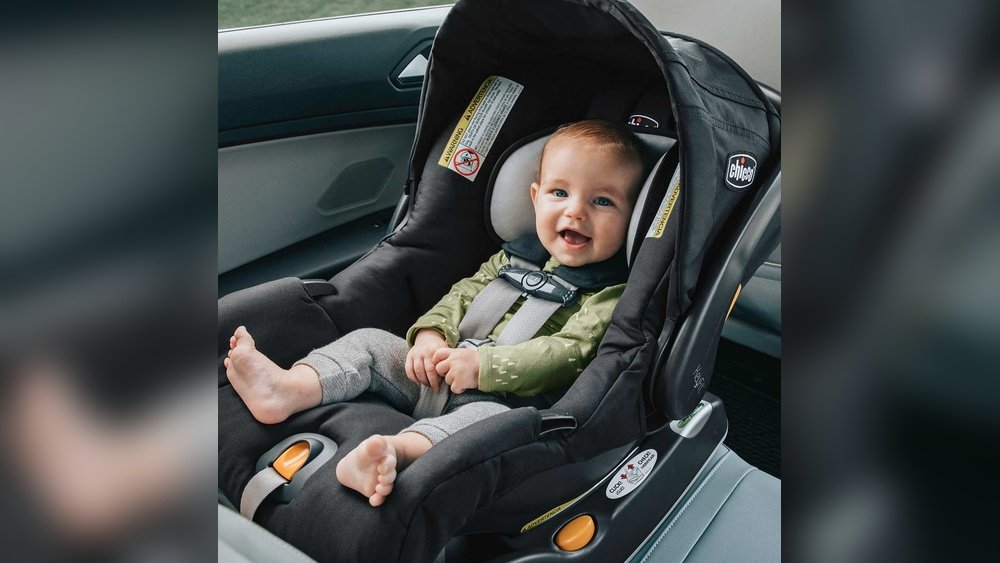
Why Rear-facing Is Essential
Infants must ride rear-facing until at least age 2, or until they reach the seat’s height and weight limits. Rear-facing seats support the baby’s head, neck, and spine in a crash. Studies show children are five times safer in rear-facing seats.
When To Switch
Don’t rush to turn your baby forward-facing. Many seats allow rear-facing up to 40 pounds or more. Check your car seat manual for specifics.

Credit: www.reddit.com
Vehicle Compatibility: What To Check
Seat Belt Types
Not all seat belts are created equal. The safest installations use a three-point seat belt or LATCH system (Lower Anchors and Tethers for Children). Avoid lap-only belts, which don’t secure the seat well.
Latch System Pros And Cons
Most cars made after 2002 have LATCH anchors. They make installation easier and safer, but not every car’s center seat has LATCH. If your car doesn’t, use the seat belt and follow the instructions carefully.
Car Shape And Space
Some cars have narrow back seats, or a hump in the center. Try installing the seat in different positions to see which fits best and allows the car seat to sit flat and secure.
Compatibility Table
Here’s a quick guide for common vehicle types:
| Vehicle Type | Center Back Seat | Side Back Seat | LATCH Available |
|---|---|---|---|
| Sedan | Usually | Yes | Yes |
| SUV | Often | Yes | Yes |
| Truck (no rear seat) | No | No | Sometimes front |
| Minivan | Yes | Yes | Yes |
| Older car (pre-2002) | Maybe | Yes | No |
Common Installation Mistakes To Avoid
Even the best seat won’t protect your baby if it’s installed incorrectly. Studies show 59% of car seats are used incorrectly, putting children at risk.
Top Mistakes
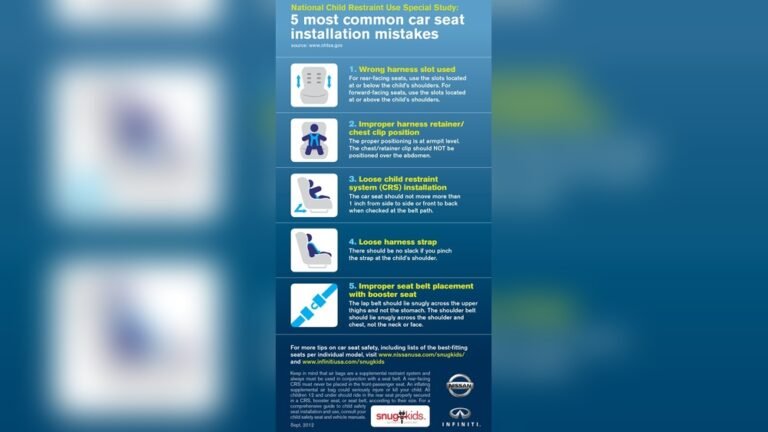
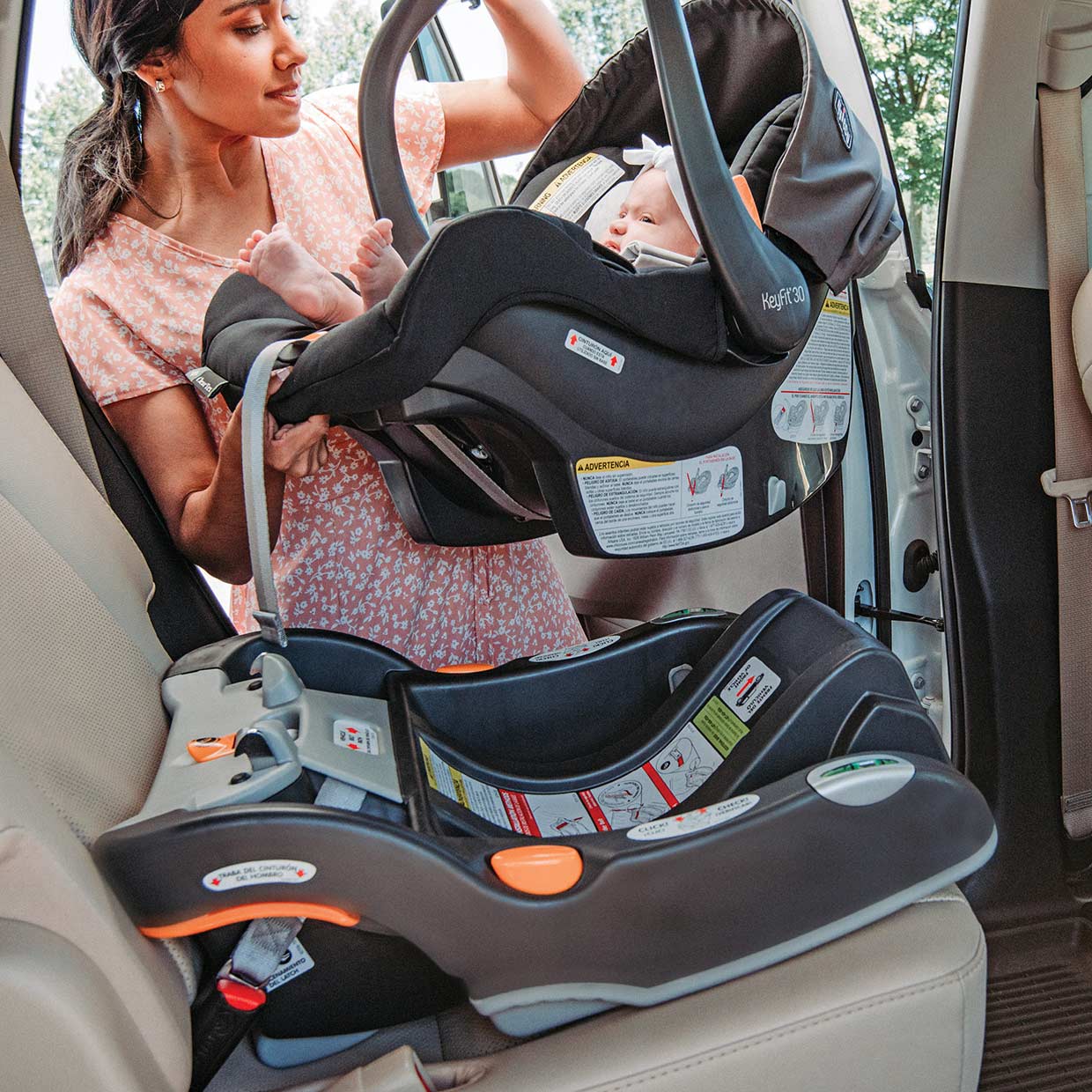
- Loose installation: The seat should not move more than 1 inch side-to-side or front-to-back.
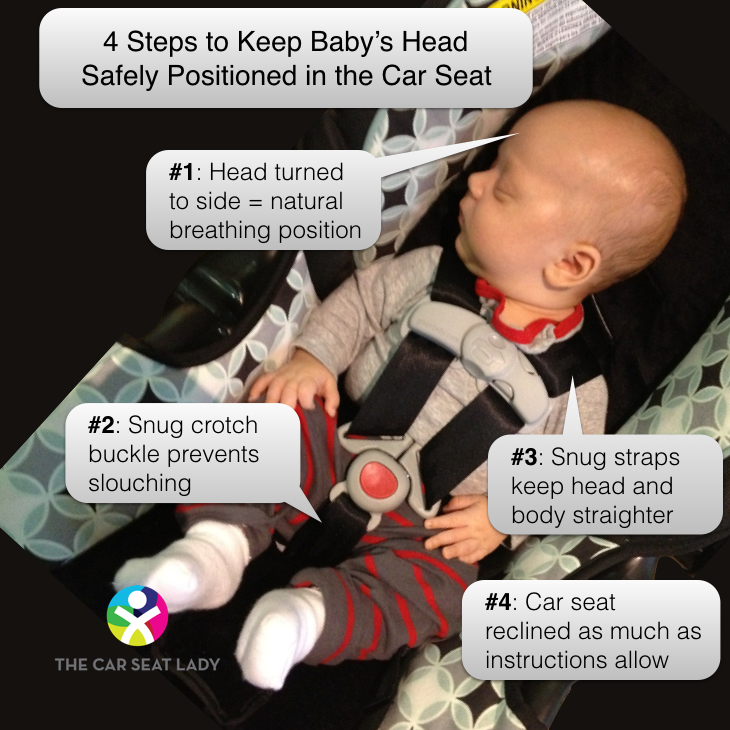
- Wrong angle: Infant seats must be reclined enough to keep baby’s airway open.
- Harness issues: Straps should be snug, with the chest clip at armpit level.
- Using both LATCH and seat belt: Only use one method unless the manufacturer says it’s allowed.
- Not locking the seat belt: Some seat belts must be “locked” to secure the seat.
How To Check Installation
- Push and pull the seat at the base. If it shifts more than 1 inch, it’s too loose.
- Check the angle indicator (often a bubble or line).
- Ensure harness straps are flat and not twisted.
- Review your car seat manual and car manual for special instructions.
Credit: www.chiccousa.com
Expert Safety Tips For New Parents
Safety isn’t just about where you put the seat—it’s also about how you use it every day.
Buckling Up Every Time
Always buckle your baby in, even for short trips. Most accidents happen close to home.
Avoid Bulky Clothes
Thick coats or blankets can make harness straps loose. Dress your baby in thin layers, then cover with a blanket after buckling.
Keep Toys Secure
Loose toys can become projectiles in a crash. Use soft toys only, and avoid hanging items from the seat.
Rear-view Mirrors
Some parents use mirrors to check on their baby. Make sure the mirror is securely attached and doesn’t block your view.
Driving Carefully
Set rules for yourself: avoid distractions, drive at safe speeds, and never leave your baby alone in the car.
Legal Recommendations And State Laws
Us Laws For Car Seats
Every state requires infants to ride in a rear-facing car seat. Many states specify that children must ride in the back until a certain age or weight.
Age And Weight Guidelines
- Rear-facing required until at least age 2 (some states)
- Back seat recommended until age 13
- Seat must be installed per manufacturer’s instructions
Fines And Penalties
Improper installation or placement can result in fines from $25 to $500, depending on the state. But more importantly, incorrect placement can risk your child’s safety.
Checking State Rules
Always check your state’s requirements. Some states have stricter laws than others. For a full list, visit the Wikipedia Child Safety Seat Laws.
When To Get A Certified Installation Check
Why It Matters
Even experienced parents can make mistakes. Certified child passenger safety technicians can check your installation and answer questions. Studies show seats checked by experts are 95% more likely to be installed correctly.
Where To Find Help
- Fire stations
- Hospitals
- Police departments
- Local car seat inspection events
How Inspections Work
A technician will:
- Review your car seat manual and vehicle manual
- Check installation and harness fit
- Teach you how to install and adjust the seat yourself
When To Seek Help
Get a check when:
- You first install the seat
- You switch cars
- You move the seat to a new position
- You buy a new seat
Real-life Examples: What Experienced Parents Learned
Example 1: Center Vs. Side
Anna, a mom of twins, installed both seats on the sides of her sedan because the center was too narrow. She found the side positions still kept her babies safe and made it easier to buckle them in from the sidewalk.
Example 2: Latch Vs. Seat Belt
Jason, a dad, tried to use both LATCH and seat belt, thinking it was safer. After a certified check, he learned this can actually make the seat unstable. He switched to just the seat belt as per the manual.
Example 3: Angle Problems
Maria noticed her newborn’s head kept falling forward. The seat was installed too upright. She adjusted the angle with a rolled towel under the base, as recommended, and her baby’s head stayed in a safe position.
Example 4: Switching Cars
When Sarah moved her seat from an SUV to her grandmother’s sedan, she found the center seat didn’t have LATCH anchors. She used the seat belt and got a technician to check the installation.
Credit: thecarseatlady.com
Actionable Advice For Parents
Step-by-step: Placing Your Infant Car Seat
- Read both your car seat manual and car manual.
- Choose the center of the back seat if possible.
- If not, pick the rear passenger side.
- Use either LATCH or seat belt—not both.
- Check the angle with the seat’s indicator.
- Secure harness straps snugly.
- Test the seat—move it at the base, not more than 1 inch.
- Get an expert check if you’re unsure.
What To Do If Your Car Doesn’t Fit “ideal”
Not every family car is perfect. Here’s how to adapt:
- If center isn’t an option, use a side position.
- If your car only has lap belts, consider a new seat or position.
- If you drive an older car, check for seat belt locking features.
Common Questions New Parents Have
Can I Install The Car Seat In The Front If My Car Is Old?
If your car doesn’t have rear seats, the front seat is allowed—but only if the airbag is turned off and the seat is pushed back as far as possible. Otherwise, always use the back.
Is It Ok To Use A Used Car Seat?
Used seats can be safe if:
- They haven’t been in a crash
- They’re not expired
- They have all parts and labels
But always check with the manufacturer and get an expert check.
How Often Should I Check The Installation?
Check the seat every time you drive—make sure it’s tight and the harness is snug. Get a certified check at least once a year or after moving the seat.
What If My Baby Seems Uncomfortable?
Babies sometimes fuss in car seats. Make sure the seat is at the right angle, straps aren’t too tight, and baby isn’t too hot or cold. If problems persist, consult your pediatrician.
Can I Use Extra Padding Or Head Supports?
Only use accessories approved by the car seat manufacturer. Extras can affect safety and are not crash-tested.
Data And Statistics: Why Placement Matters
Research shows that side-impact collisions are responsible for nearly a quarter of child injuries in car accidents. Placing your infant car seat in the center reduces risk by up to 43%. Rear-facing seats lower injury risk by five times compared to forward-facing. The NHTSA reports that seats installed by certified technicians are 95% more likely to be correct.
Here’s a summary:
| Placement | Risk Reduction | Recommended Age |
|---|---|---|
| Center Back Seat | Up to 43% | Birth – age 13 |
| Side Back Seat | Good, less than center | Birth – age 13 |
| Front Seat (airbag off) | Least safe | Only if no rear seat |
Expert Tips For A Safer Ride
- Choose the center rear seat whenever possible.
- Use rear-facing until your child outgrows the seat’s limits.
- Avoid loose installation and check the seat every trip.
- Never use both LATCH and seat belt unless allowed.
- Get a certified check—don’t rely on guesswork.
- Dress baby in thin layers for a snug harness fit.
- Keep soft toys only, no hard or loose objects.
- Always buckle up, even on short trips.
Final Thoughts
As a parent, you want the safest ride for your baby. The best place for infant car seat in car is the center of the back seat, facing the rear. But even if your car doesn’t allow this, a properly installed seat in any rear position gives your newborn strong protection. Double-check your installation, follow the seat and car manuals, and seek expert help if needed. Every journey counts. With the right placement and careful use, you can travel with confidence, knowing you’re doing your best to keep your child safe.
You’re not alone on this journey. Thousands of parents make these choices every day. And with a bit of attention and care, you’ll have peace of mind every time you buckle your baby in. Safe travels!

I’m Melissa Turner, a mom of two passionate about helping parents make confident buying decisions. I research and review baby gear, compare trusted products, and share practical parenting tips based on careful research. My goal is to simplify shopping with honest, easy-to-understand guides that put safety, comfort, and value first. I focus on baby carriers, strollers, feeding essentials, nursery products, and everyday parenting gear. I hope my recommendations help make your parenting journey a little easier and more enjoyable.