How to Choose the Right Car Seat Mirror For Your Baby Safety
Choosing the right car seat mirror might seem simple, but it’s more important than you think. You want to keep an eye on your little one without turning around and risking safety.
The right mirror gives you a clear view, stays secure on bumpy rides, and keeps your baby safe. But with so many options out there, how do you pick the best one for your car and your child? In this guide, you’ll discover exactly what to look for, what to avoid, and how to find a mirror that makes every trip stress-free and safe.
Keep reading—you and your baby deserve the best.
Credit: www.walmart.com
Safety Features
Choosing a car seat mirror with strong safety features protects your child and gives you peace of mind. Safety should always be a top priority. The right mirror minimizes risks in the car. It prevents injuries and stays firmly in place during drives. Focus on materials, design, and mounting options that enhance safety.
Shatter-resistant Materials
Mirrors made from shatter-resistant materials reduce the risk of sharp glass pieces. Acrylic or polycarbonate surfaces are safer than traditional glass. If the mirror breaks, it will not splinter into dangerous shards. This feature protects your baby’s face and body during sudden stops or accidents. Always check the product description for shatter-resistant labeling.
Soft-sided Designs
Soft-sided mirrors have padded edges and flexible frames. These designs lower the chance of injury if the baby bumps into the mirror. Soft materials are gentle on delicate skin. They also reduce noise caused by hard objects hitting the car’s interior. This design choice adds a layer of protection without sacrificing visibility.
Secure Straps And Mounts
Look for mirrors with strong, adjustable straps or mounts. They keep the mirror tightly fixed to the headrest or car seat. Loose mirrors can fall or shift, distracting the driver. Secure attachments prevent sudden movements that might startle your child. Easy-to-use mounts help install the mirror correctly, ensuring it stays in place on every trip.
Mirror Types
Choosing the right car seat mirror starts with understanding the different mirror types. Each type offers unique features that affect visibility and safety. Knowing these options helps find the best fit for your needs. Below are the main types to consider.
Convex Vs. Flat Mirrors
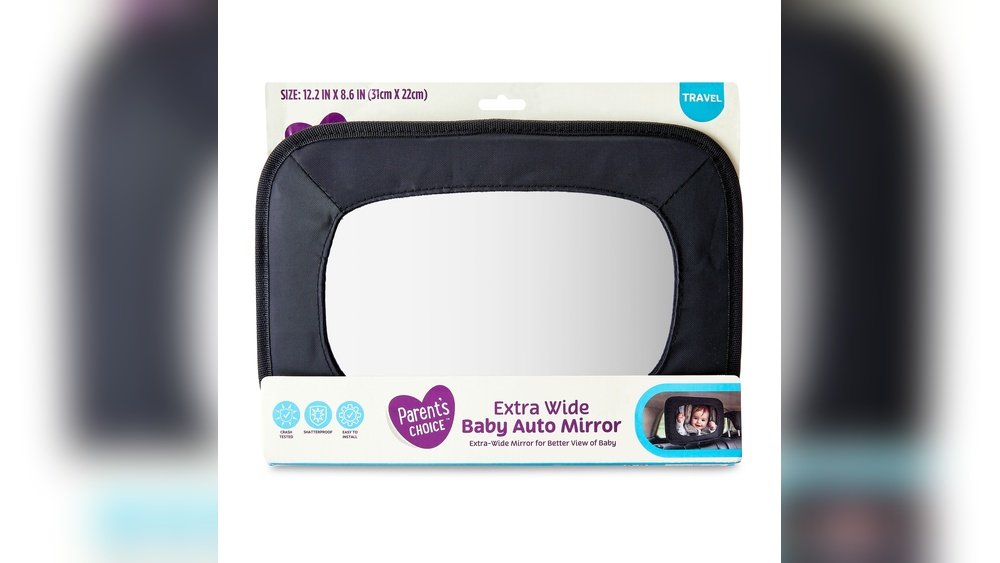
Convex mirrors curve outward. They provide a wider view of the backseat. This helps see your child and surroundings more easily. Flat mirrors show a true reflection but have a narrower view. They may miss some areas behind the car seat. Convex mirrors are usually better for car seat mirrors.
Size And Shape Options
Mirrors come in many sizes and shapes. Larger mirrors offer a bigger viewing area. This makes it easier to spot your child at a glance. Smaller mirrors are less bulky and fit tight spaces. Shapes vary from oval to rectangular. Choose a size and shape that fits your car and seat well.
Adjustable Angles
Mirrors with adjustable angles let you change the view easily. You can tilt or rotate the mirror for the best line of sight. This is helpful if you switch cars or seats often. Fixed mirrors may not offer the perfect view all the time. Adjustable mirrors add flexibility and improve safety.
Compatibility
Choosing a car seat mirror that fits well with your vehicle and car seat is important. Compatibility ensures safety and ease of use. A mirror that does not fit properly can be unstable or hard to install. Consider your car and seat features before buying a mirror. This helps you select one that works well and lasts long.
Car Model Considerations
Each car model has a different headrest shape and size. Some cars have thin headrests, while others are thick or wide. Choose a mirror that can fit your car’s headrest tightly. Check the mirror’s strap length and adjustability before purchase. A mirror designed for SUVs might not fit a compact car. Always compare your car model with the mirror’s specifications.
Seat Positioning
The mirror must align with the car seat’s position. Rear-facing seats need mirrors placed behind the seat for a clear view. Forward-facing seats may need a different angle. Adjust the mirror so you can see your child clearly without straining your neck. A mirror that does not fit the seat angle will reduce visibility and safety.
Installation Methods
Mirrors come with various ways to install them. Some use straps, others use clips or suction cups. Straps are most common and fit around the headrest securely. Clips may work better for some car seats but can be less stable. Suction cups are less reliable on fabric headrests. Choose the installation method that suits your car seat and provides firm support.
Visibility And Coverage
Choosing the right car seat mirror means focusing on visibility and coverage. These features help you keep an eye on your baby safely while driving. Good visibility lets you see your child clearly without turning around. Proper coverage ensures you see the whole baby seat area at once. This section explains key points to consider for the best view.
Wide Field Of View
A wide field of view shows more of your baby and the car seat. Look for mirrors with a large, curved surface. Curved mirrors give a broader perspective than flat ones. This helps you see your child’s face and movements easily. A bigger mirror reduces the need to adjust it often. It also helps you spot any signs of discomfort quickly.
Reducing Blind Spots
Blind spots can hide your baby from view. Choose a mirror that fits well and covers all angles. Proper placement matters a lot for clear sight. A mirror that is too small or poorly positioned creates blind spots. These can make it hard to notice if your child needs attention. Aim for a mirror that eliminates blind spots completely.
Anti-glare Features
Glare from sunlight or headlights can block your view. An anti-glare mirror reduces reflections and bright spots. This makes it easier to see your baby in different lighting. Look for mirrors with a matte or tinted surface to cut glare. Anti-glare features protect your eyes and improve safety during trips.
Durability And Maintenance
Choosing a car seat mirror means thinking about how long it will last and how easy it is to care for. Durability and maintenance are key factors. A mirror that breaks easily or is hard to clean will cause trouble. It is better to pick one that stays strong and looks good with little work. This saves money and keeps your child safe.
Material Quality
Good material makes a big difference in durability. Look for mirrors made from shatter-resistant acrylic. This material does not break into sharp pieces. It is safer for your child in case of sudden stops. Plastic frames should feel solid and sturdy. Avoid cheap plastic that cracks or bends easily. Strong materials last longer and handle daily use better.
Ease Of Cleaning
Car seat mirrors get dusty and smudged fast. Choose a mirror with a smooth surface. It should wipe clean with a soft cloth. Avoid mirrors with grooves or textures that trap dirt. Check if the frame resists stains and fingerprints. Easy cleaning means less hassle and clearer views while driving. This helps you keep an eye on your baby without distraction.
Longevity
Look for a mirror that stays in good shape over time. Check reviews for signs of fading or cracking after months. Mirrors with adjustable straps and strong fasteners last longer. They hold tight without slipping or falling. A long-lasting mirror saves you from buying new ones often. It also keeps your child’s safety steady on every trip.

Credit: www.ebay.com
Safety Concerns
Choosing the right car seat mirror involves more than just size and style. Safety plays a key role. Parents must consider how the mirror affects both their focus on the road and their baby’s well-being. This section breaks down major safety concerns to keep in mind.
Avoiding Driver Distraction
Car seat mirrors can tempt drivers to look away from the road. Checking the baby often is natural but dangerous while driving. A mirror should offer a clear view without causing frequent glances. Choose mirrors with wide angles and easy adjustment features. These help minimize distraction and keep your eyes mostly on the road.
Impact On Baby’s Safety
The mirror’s material and placement affect the baby’s safety. Glass mirrors can shatter and cause injuries during sudden stops. Opt for shatter-resistant acrylic mirrors instead. Also, place the mirror securely to avoid it falling onto the baby. Ensure the mirror does not block the baby’s airflow or access to the seat harness.
Recommendations From Experts
Safety experts often suggest avoiding mirrors altogether. Many car seat inspectors warn mirrors can increase distracted driving. If using a mirror, they recommend choosing models tested for stability and safety. Look for products that pass crash tests and fit snugly. Always follow car seat and vehicle manufacturer guidelines for installation.
Top Brands And Models
Choosing the right car seat mirror is important for your baby’s safety and your peace of mind. Many brands offer different designs and features. Knowing the top brands and models helps you find a mirror that fits your needs. Below are some popular options divided into categories based on ratings and price.
Highly Rated Mirrors
Mirrors with strong reviews often have clear reflections and secure attachments. The So Peep mirror offers a sturdy ball-and-socket joint for easy adjustments. Lusso provides a wide, shatter-resistant mirror surface that stays firmly in place. Cozy Green is known for its stability and simple installation. These mirrors are trusted by many parents for everyday use.
Budget-friendly Options
Affordable mirrors still offer good safety and visibility. Brands like Munchkin and Shynerk provide basic models that fit most cars. These mirrors usually have adjustable straps and shatterproof glass or acrylic. They work well for parents who want a reliable mirror without spending too much. Budget-friendly does not mean low quality in this case.
Premium Choices
Premium mirrors include extra features like built-in lights or larger viewing areas. Brica and Kinderplay offer models with night lights to help see your baby in the dark. Some premium mirrors come with anti-glare coatings and 360-degree rotation. These mirrors provide extra convenience and comfort for long trips. They are ideal for parents who want added functionality.
Installation Tips
Installing a car seat mirror correctly is key for safety and comfort. Proper installation helps you keep an eye on your baby without turning around. It reduces distractions and ensures a clear, stable view of your little one during every trip.
Proper Placement
Place the mirror where it faces the baby directly. Usually, this is on the back seat headrest. Make sure it is not too high or too low. The mirror should reflect your baby’s face clearly. Avoid spots that cause glare or block your view.
Adjusting For Best View
Adjust the mirror angle to get a full view of your baby. Tilt it until you see your baby’s face and body. Check from your driving seat to confirm the view. Small changes can improve visibility a lot. Keep adjusting until the image is clear and steady.
Securing The Mirror
Use the straps or clips that come with the mirror to fasten it tightly. Loose mirrors can move or fall during driving. Double-check the tightness after installation. A secure mirror stays in place and keeps your baby safe. Recheck the security regularly for best results.
Common Mistakes
Choosing the right car seat mirror helps parents keep an eye on their child safely. Many make common mistakes that reduce mirror effectiveness and safety. Avoid these errors to ensure you get the best view without distractions.
Using Glass Mirrors
Glass mirrors can break easily in a crash. Broken glass is dangerous for a baby in a moving car. Choose mirrors made from shatter-resistant acrylic instead. These mirrors are safer and designed for car use.
Ignoring Strap Quality
Weak or loose straps cause the mirror to move or fall. A mirror that shifts distracts the driver and blocks the view. Look for strong, adjustable straps that keep the mirror steady.
Improper Angle Setup
Setting the mirror at the wrong angle hides your child or shows glare. Adjust the mirror to see your baby’s face clearly without moving your head. Check and fix the angle before every trip.

Credit: www.amazon.com
Frequently Asked Questions
What Is The Best Car Seat Mirror?
The best car seat mirror is shatter-resistant, has a wide convex surface, and offers stable, adjustable viewing for safety.
How To Adjust Car Seat For Sciatica Pain?
Adjust your car seat to support your lower back and maintain a slight recline. Use lumbar support cushions to reduce pressure. Keep hips level with knees and avoid slouching. Adjust seat height for proper leg positioning and take breaks to stretch during long drives.
How Should The Right Car Mirror Look?
The right car mirror shows a clear, wide view of blind spots without distortion. Adjust edges to cover rear and side traffic seamlessly. Use shatter-resistant, convex mirrors for safety and maximum visibility. Position mirrors to minimize head movement and improve reaction time while driving.
What To Look For In A Baby Car Mirror?
Choose a baby car mirror with shatter-resistant acrylic, wide convex surface for better view, secure mounting, and compatibility with your car seat. Prioritize safety, durability, and clear visibility to monitor your baby comfortably while driving. Avoid glass mirrors to prevent injury risks.
Conclusion
Choosing the right car seat mirror helps keep your baby safe and visible. Focus on mirrors with shatter-resistant surfaces for safety. A wide, curved mirror gives a better view of your child. Easy installation and adjustable angles add convenience. Avoid mirrors that distract your attention while driving.
Remember, safety and comfort come first for both you and your baby. This simple step makes every car ride more peaceful and secure.

I’m Melissa Turner, a mom of two passionate about helping parents make confident buying decisions. I research and review baby gear, compare trusted products, and share practical parenting tips based on careful research. My goal is to simplify shopping with honest, easy-to-understand guides that put safety, comfort, and value first. I focus on baby carriers, strollers, feeding essentials, nursery products, and everyday parenting gear. I hope my recommendations help make your parenting journey a little easier and more enjoyable.