Ring Sling vs Baby Carrier: Which Is Best for Your Baby?
Choosing the right baby carrier can feel overwhelming, especially for first-time parents. You want something safe, comfortable, and easy to use, but the options: ring sling, soft structured carrier, wrap, pouch sling, brands like Ergobaby, Baby Bjorn, and Moby Wrap can make your head spin. Should you get a ring sling or a classic baby carrier? The answer isn’t always the same for everyone. Let’s break down the differences, real-life pros and cons, and how each works in daily life, so you can find the perfect fit for you and your baby.
Ring Sling Vs Baby Carrier: Which Is Better?
If you want a clear winner, here it is: there is no single “best” choice for everyone. But if you value quick ups and downs, close snuggles, and newborn support, the ring sling often comes out ahead for the first few months. If you need longer wearing, heavier babies, or hands-free chores, a structured baby carrier (like Ergobaby or Baby Bjorn) usually wins.
But every family and situation is unique. Here’s when each works best:
- Ring Sling: Great for newborns, quick errands, and cuddly naps.
- Baby Carrier: Ideal for longer walks, older babies, or when you want even weight on both shoulders.
Let’s look closer at how they compare on comfort, safety, ease of use, and more.
Understanding Ring Slings And Baby Carriers
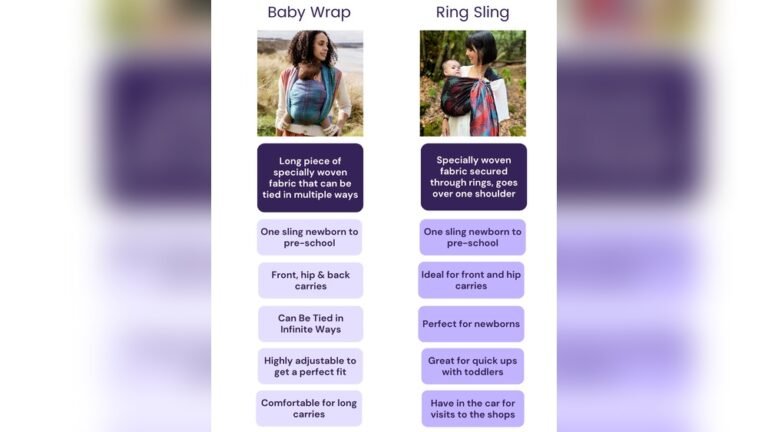
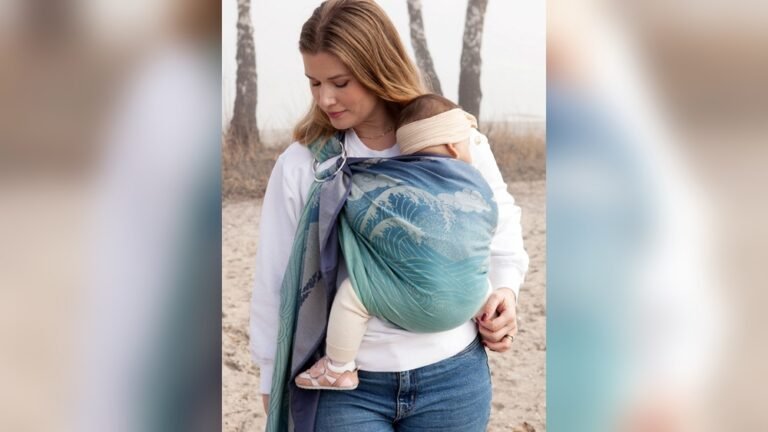
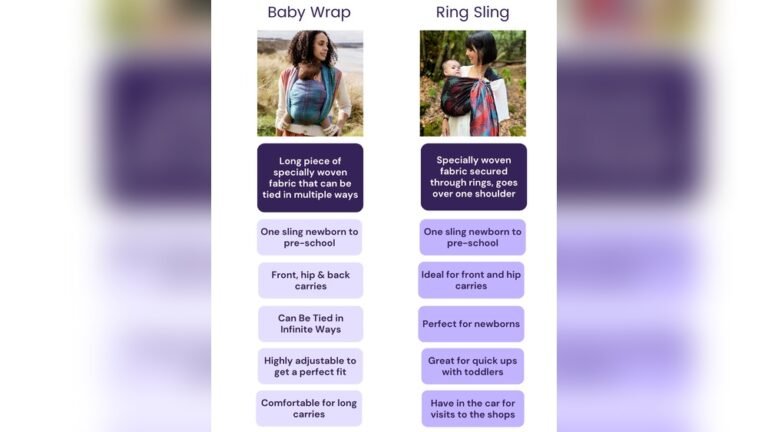
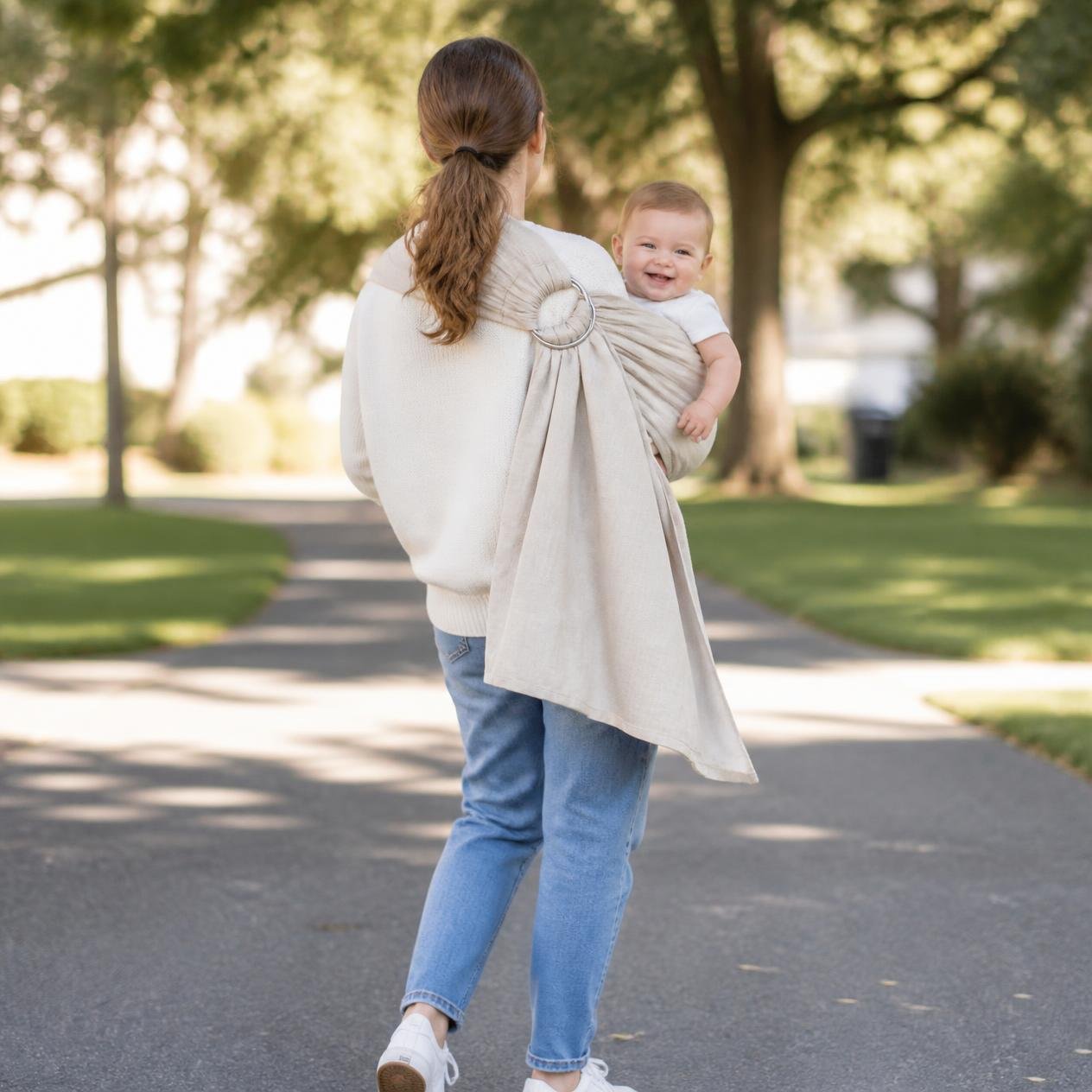
Ring slings are long pieces of fabric with two sturdy rings sewn at one end. You thread the fabric through the rings to make a secure pouch for your baby. They sit across one shoulder and around your body like a sash. With a ring sling, you can carry your baby on your front, hip, or even back (for older babies).
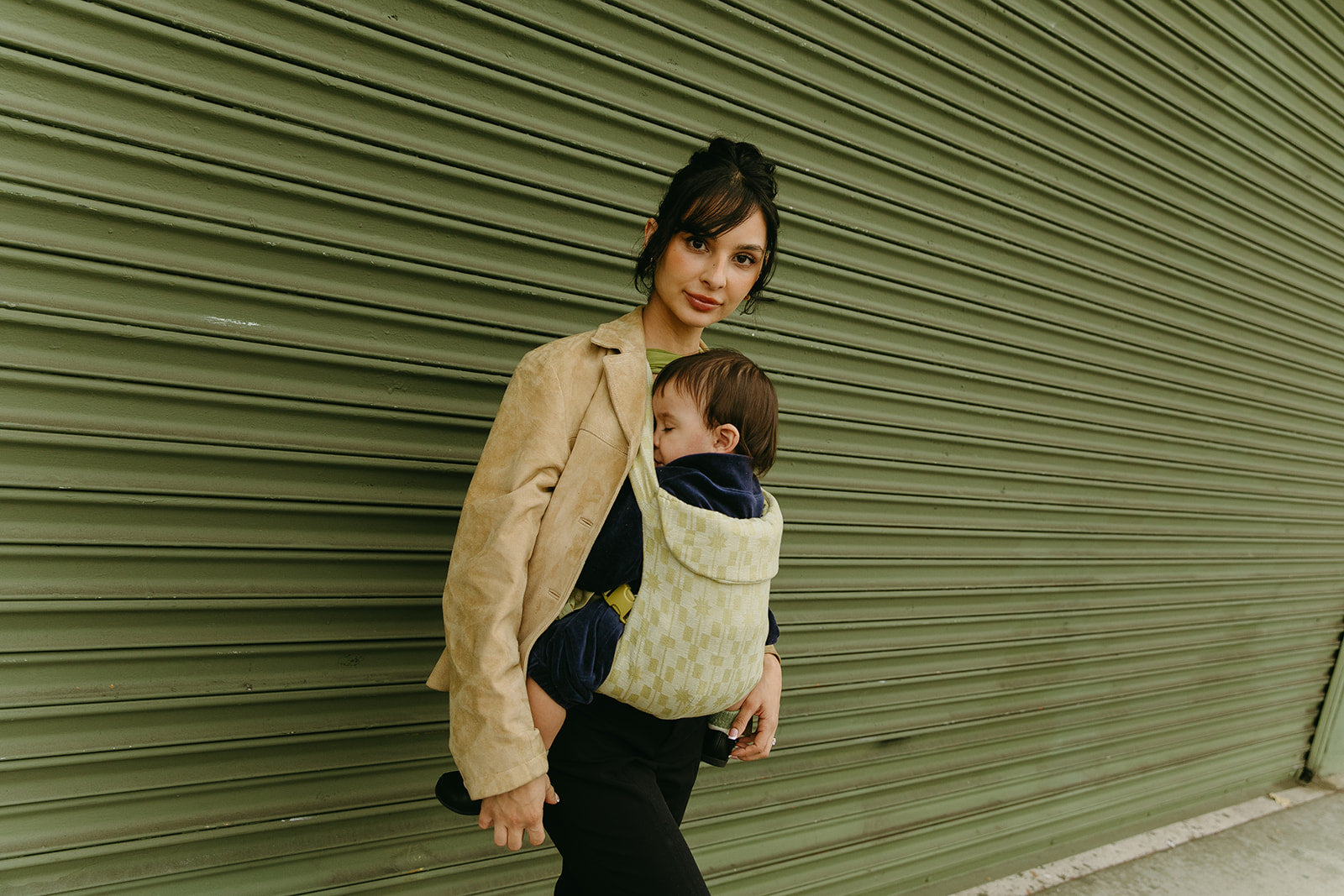
Baby carriers usually mean soft structured carriers (SSCs) like the Ergobaby, Baby Bjorn, or LILLEbaby. These have padded shoulder straps, a waistband, and buckles or clips. Some carriers are “wraps” (long stretchy or woven fabric you tie around your body), while others are “mei tais” (a mix of wrap and buckle). Each has different strengths.
Comfort For Parent And Baby
Ring Sling Comfort
Ring slings are known for being cozy, especially for small babies. They let you hold your baby close, chest-to-chest, which many newborns love. The fabric is soft and molds to your baby’s shape. You can also adjust the sling quickly for feeding or naps.
However, ring slings put all the baby’s weight on one shoulder. For short trips, this feels fine, but after 30–60 minutes, your shoulder and back may get tired, especially with heavier babies.
Baby Carrier Comfort
Structured carriers have two padded straps and a waistband, so your baby’s weight is spread across both shoulders and your hips. This makes them very comfortable for long walks or heavier babies and toddlers. Many parents use these for hours without pain.
Wraps (like Moby Wrap or woven wraps) can also be very comfortable, especially with proper tying. They distribute weight evenly and are excellent for long-term wearing, but the long fabric can be hot and tricky for some.
Real-life Example
For a quick trip to the grocery store, a ring sling is fast and comfy. If you’re going to the zoo for three hours, a structured carrier is the better choice.
Safety: What Matters Most
Safety should always come first. Both ring slings and baby carriers are safe if used correctly. Always follow the T.I.C.K.S. guidelines:
- Tight: Carrier should hold baby snugly against you.
- In view: You should always see baby’s face.
- Close enough to kiss: Baby’s head is close to your chin.
- Keep chin off chest: Baby’s chin should not be pressed to their chest.
- Supported back: Baby’s back is straight and well supported.
Ring slings can be risky if the fabric is not threaded properly or if baby slumps inside. Always keep your baby high and tight, with their face clear. Structured carriers, if buckled wrong, can also cause problems. Read the manual and check buckles before each use.
Pro tip: Newborns need extra head and neck support. Ring slings shine here, but some carriers have infant inserts or special settings for small babies.

Credit: www.amazon.com
Ease Of Use: Getting Baby In And Out
Ring Sling
Many parents say the ring sling has a short learning curve. Threading the fabric through the rings takes a few tries, but once you get it, you can pop baby in and out in seconds. Adjusting is as simple as pulling the tail of the fabric.
Downside: Some people worry about slings slipping or loosening, but with practice, it becomes second nature.
Baby Carrier
Structured carriers are easy to use, once you adjust the straps and buckles for your body, you can click in and go. But for newborns, adjusting the seat, head support, or insert can feel confusing at first.
Wraps (like Moby) have a steep learning curve. It can take 5–10 minutes to tie on, especially as a beginner. But after practice, many parents find them quick and secure.
Real-life tip: Try each carrier at home before going out. Practice with a doll or stuffed animal if you’re nervous.
Support For Newborns
Ring Sling
Ring slings are a favorite for newborns. The fabric cradles your baby in the froggy position (knees higher than bum), supporting their tiny body. You can adjust the fabric for perfect neck and head support.
Many parents love ring slings for the “fourth trimester”, those first weeks when babies want to be held all the time.
Baby Carrier
Most structured carriers are designed for babies 7–8 pounds and up. For smaller newborns, you may need a special infant insert. Carriers like the Ergobaby Omni 360 or LILLEbaby Complete are newborn-ready without an insert, but it’s important to set the seat width and head support correctly.
Wraps like the Moby Wrap are also great for newborns, but you must tie the fabric securely and check baby’s position.
Non-obvious insight: With ring slings, babies with reflux or colic often find relief from upright cuddling, which is harder to adjust in some carriers.
Weight Distribution
Ring Sling
All weight rests on one shoulder. For short wears, this is fine. Over time or with heavier babies, your back and shoulder can get tired. Switching shoulders helps, but most people have a “favorite” side.
Baby Carrier
Two-strap carriers and wraps distribute weight evenly across shoulders and hips. This is a lifesaver for parents with back pain or for wearing toddlers. Mei tais and woven wraps also do this well.
Pro tip: If you have back or shoulder issues, choose a structured carrier or wrap over a sling.
Breastfeeding Convenience
Ring Sling
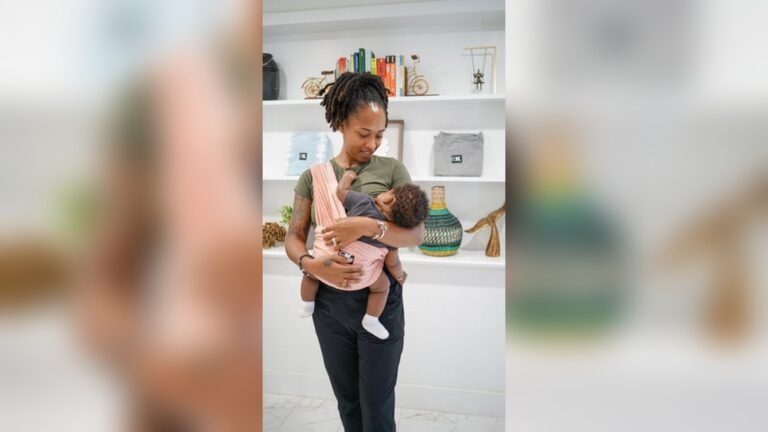
Many parents find ring slings make breastfeeding on the go simple. Loosen the fabric, slide baby down, latch, and cover with the tail if you want privacy. You can feed while walking, shopping, or sitting.
Baby Carrier
Some soft structured carriers allow breastfeeding, but it takes practice. Adjusting the straps and seat can be tricky. Wraps can work for breastfeeding, but you must retie or loosen the fabric, which isn’t as fast.
Tip: Not all babies like nursing in a carrier. Try different holds and don’t force it.

Credit: goodbuygear.com
Portability: Taking It Anywhere
Ring Sling
Ring slings are light and pack small. Roll one up, toss it in your diaper bag, and you’re ready. Great for travel, quick errands, or keeping as a backup.
Baby Carrier
Structured carriers are bulkier, with thick straps and padding. They take up more space in a bag. Wraps are long and can get tangled, but they fold flat.
Real-life scenario: For a family trip, bring a ring sling for the airport and a structured carrier for long walks.
Learning Curve: How Easy To Master?
- Ring Sling: Takes about 2–3 tries to thread and adjust. Most people get comfortable in a day or two.
- Structured Carrier: Easy for most; just buckle and adjust. Takes a few wears to get the fit right.
- Wraps: Steepest learning curve. Expect 1–2 weeks of practice.
- Pouch Slings: Easiest of all (just slip on), but less adjustable and less popular for newborns.
Non-obvious insight: Watching YouTube videos or joining a local babywearing group can cut your learning time in half.
Price: How Much Will You Spend?
- Ring slings: $40–$120. Price depends on brand and fabric (linen, cotton, silk).
- Structured carriers: $80–$200. Ergobaby, LILLEbaby, and Baby Bjorn are pricier but last for years.
- Wraps: $40–$70 for stretchy wraps (Moby, Boba); $60–$180 for woven wraps.
- Pouch slings: $20–$50, but less versatile.
Money-saving tip: Buy used from trusted sources. High-quality carriers often last through several children.
Comparing Ring Slings, Wraps, Buckle Carriers, And More
Here’s a quick look at how ring slings stack up against other popular choices:
| Carrier Type | Best For | Pros | Cons |
|---|---|---|---|
| Ring Sling | Newborns, quick trips, breastfeeding | Lightweight, fast to use, easy for naps | One-shoulder carry, less comfortable for long wears |
| Structured Carrier (e.g., Ergobaby, Baby Bjorn) | Long walks, older babies, heavy babies | Even weight, easy to wear, good for dads | Bulkier, more expensive, needs insert for newborns |
| Stretchy Wrap (e.g., Moby Wrap) | Newborns, skin-to-skin, napping | Very soft, even weight, great for bonding | Hot in summer, learning curve, less support for heavy babies |
| Woven Wrap | All ages, custom fit | Most versatile, supports toddlers, many carries | Steep learning curve, long fabric, slower to put on |
| Pouch Sling | Quick ups, small babies | Fastest, lightweight, cheap | Not adjustable, fit must be exact, not for long wears |
| Mei Tai | All ages, in-between style | Custom fit, even weight, less bulk than buckles | Ties can be confusing, fewer brands available |
Credit: wildbird.co
Real-life Scenarios: Which Carrier Wins?
Newborn Naps
A ring sling or stretchy wrap is perfect for newborn naps. The soft fabric and close contact help babies feel safe and fall asleep faster. You can gently adjust your baby’s head and neck for support.
Quick Errands
For a fast run to the store or picking up a sibling, the ring sling is hard to beat. It’s easy to slip baby in and out, even in a parking lot or checkout line.
Housework
If you’re vacuuming, folding laundry, or cooking, a structured carrier or woven wrap gives you two free hands and spreads the weight. Your back and shoulders will thank you after 30 minutes or more.
Travel
At the airport, a ring sling is great for security checks and boarding, but for sightseeing or hiking, a structured carrier offers more support and storage (pockets, hoods, etc. ).
Growing Babies
As your baby gets heavier and wants to see the world, structured carriers or woven wraps become more comfortable. Hip and back carries are easier and safer with two-shoulder support.
Pros And Cons: Ring Sling Vs Baby Carrier
Here’s a side-by-side comparison for quick reference:
| Feature | Ring Sling | Baby Carrier |
|---|---|---|
| Comfort (Short Wear) | Excellent | Very Good |
| Comfort (Long Wear) | Average | Excellent |
| Safety for Newborns | Excellent | Good (with insert/settings) |
| Ease of Use | Quick, simple | Easy, more adjustments |
| Breastfeeding | Very easy | Possible, less convenient |
| Portability | Very portable | Bulkier |
| Learning Curve | Low | Low to medium |
| Price | Affordable | Moderate to high |
| Best For | Newborns, quick trips | All ages, long outings |
Who Should Choose Which?
- Choose a ring sling if: You want something fast for newborn cuddles, easy breastfeeding, and short wears. Perfect for small babies, quick errands, and parents who need a lightweight, portable option.
- Choose a baby carrier if: You plan on longer walks, have a heavier baby, or want more support for your back. Great for travel, active outings, and all-day use. Structured carriers are also better for sharing between parents of different sizes.
- Choose a wrap if: You want the softest, most custom fit for a newborn, or want to try different carrying styles as your baby grows.
- Try before you buy: Many baby stores or local babywearing groups let you test carriers. This can help you find what truly feels best for you and your baby.
Safety Tips For All Carriers
- Always check fabric, rings, buckles, and seams for wear or damage.
- Follow the T.I.C.K.S. Rule every time you wear your baby.
- Never cover your baby’s face with fabric.
- Make sure your baby’s airway is always clear.
- Don’t cook or handle hot liquids while babywearing.
For more on safe babywearing, visit Babywearing International.
Buying Advice
- Start with one carrier, then add more as your needs change.
- Consider your daily routine: Will you wear baby for long walks, or need quick up-and-downs?
- Think about who will use the carrier. Some fit petite or plus-size parents better than others.
- Look for quality brands with good safety records.
- Join a local babywearing group or online forum for support and tips.
Frequently Asked Questions
How Do I Know If My Baby Is Positioned Safely In A Ring Sling Or Carrier?
Follow the T.I.C.K.S. rules: Keep baby tight, in view, close enough to kiss, with chin off chest and supported back. Always check that baby’s face is clear and airway is open.
Can I Use A Ring Sling Or Baby Carrier With A Newborn?
Yes, both can be safe for newborns if used correctly. Ring slings are often preferred for tiny babies, but some structured carriers are newborn-ready or have inserts. Always adjust for head and neck support.
Which Is Better For Breastfeeding: Ring Sling Or Carrier?
Ring slings are usually easier for breastfeeding on the go. You can loosen the fabric and position baby quickly. Carriers can work too, but adjusting the straps takes more practice.
Are Baby Carriers Safe For Baby Hips?
Yes, when used properly. Make sure baby’s knees are higher than their bum, in an “M” shape. Avoid carriers that let baby’s legs dangle straight down. Most modern carriers support healthy hips.
What’s The Best Carrier For Hot Weather?
Ring slings in linen or light cotton are cool and breathable. Some structured carriers have mesh panels for airflow. Avoid thick wraps in summer, they can be hot for both you and baby.
—
Choosing between a ring sling and a baby carrier depends on your lifestyle, your baby’s age, and your own comfort. Many parents end up with both for different situations. Remember, the best carrier is the one you’ll actually use. Happy babywearing!
I’m Melissa Turner, a mom of two passionate about helping parents make confident buying decisions. I research and review baby gear, compare trusted products, and share practical parenting tips based on careful research. My goal is to simplify shopping with honest, easy-to-understand guides that put safety, comfort, and value first. I focus on baby carriers, strollers, feeding essentials, nursery products, and everyday parenting gear. I hope my recommendations help make your parenting journey a little easier and more enjoyable.