
Top Ring Sling Alternatives for Comfortable Babywearing 2026
First-time parents often feel lost when choosing the best baby carrier. You want something safe, comfortable, and easy to use, but there are so many options. Ring slings are popular, but are they the best? This guide explains the main ring sling alternatives, compares their pros and cons, and helps you pick the right carrier for your needs. By the end, you’ll know what matters most for comfort, safety, and everyday life with your baby.
The Quick Answer: Is There A Clear Winner?
There is no single best baby carrier for every parent and situation. Each carrier type has strengths and weaknesses, and the “winner” depends on your baby’s age, your daily routine, and your comfort. For newborns and quick snuggles, wraps or ring slings are often better. For longer walks, buckle carriers can win for comfort and support. If you want something simple for errands, pouch slings are a good choice. The best carrier is the one that fits your life and feels right for you and your baby.
What Is A Ring Sling?
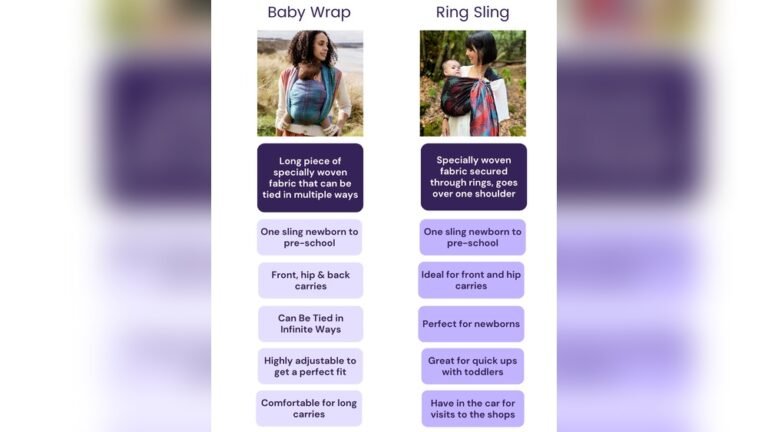
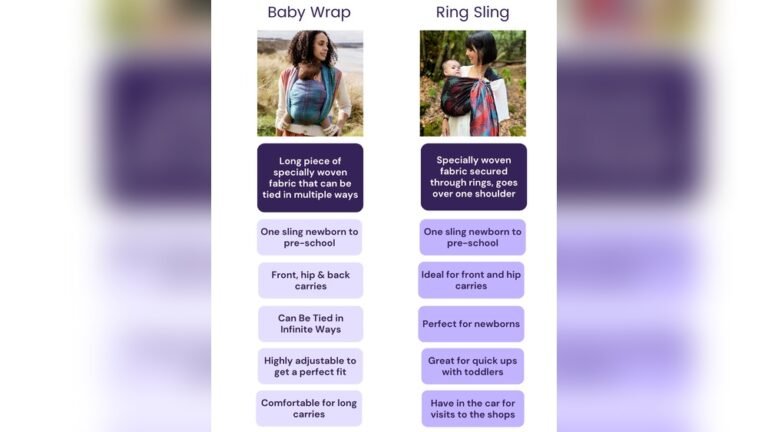
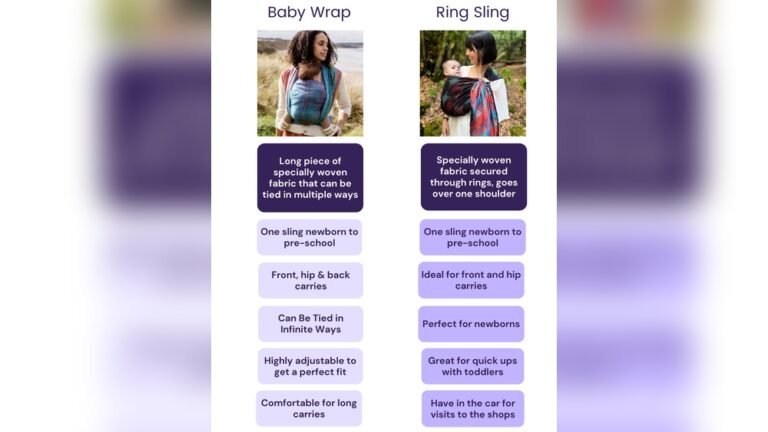
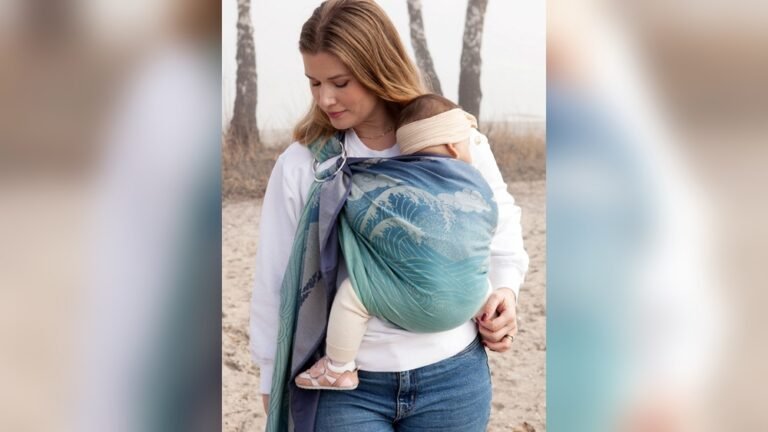
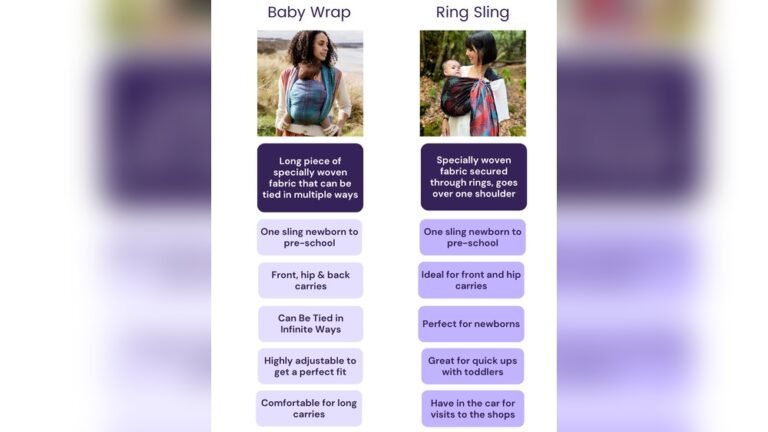
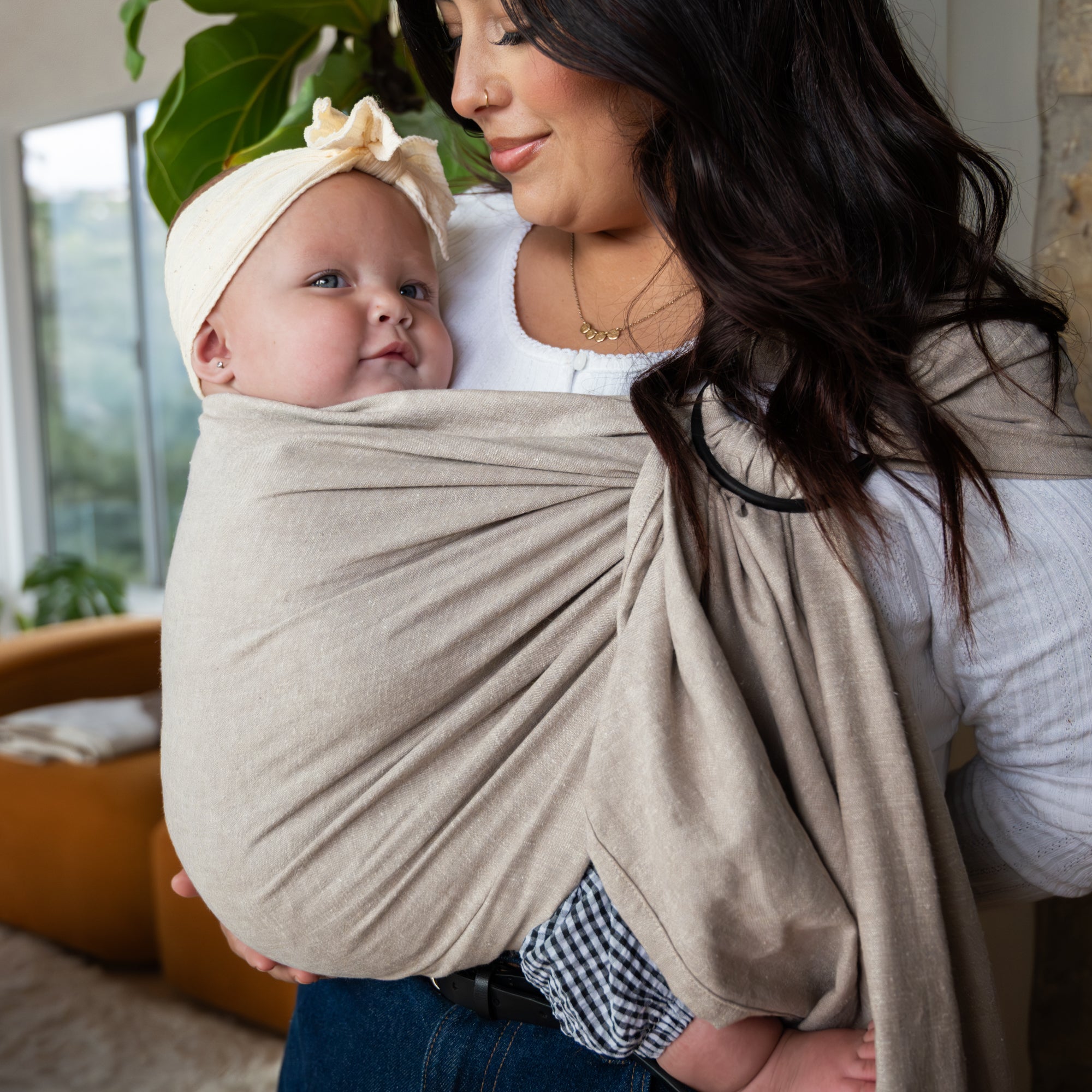
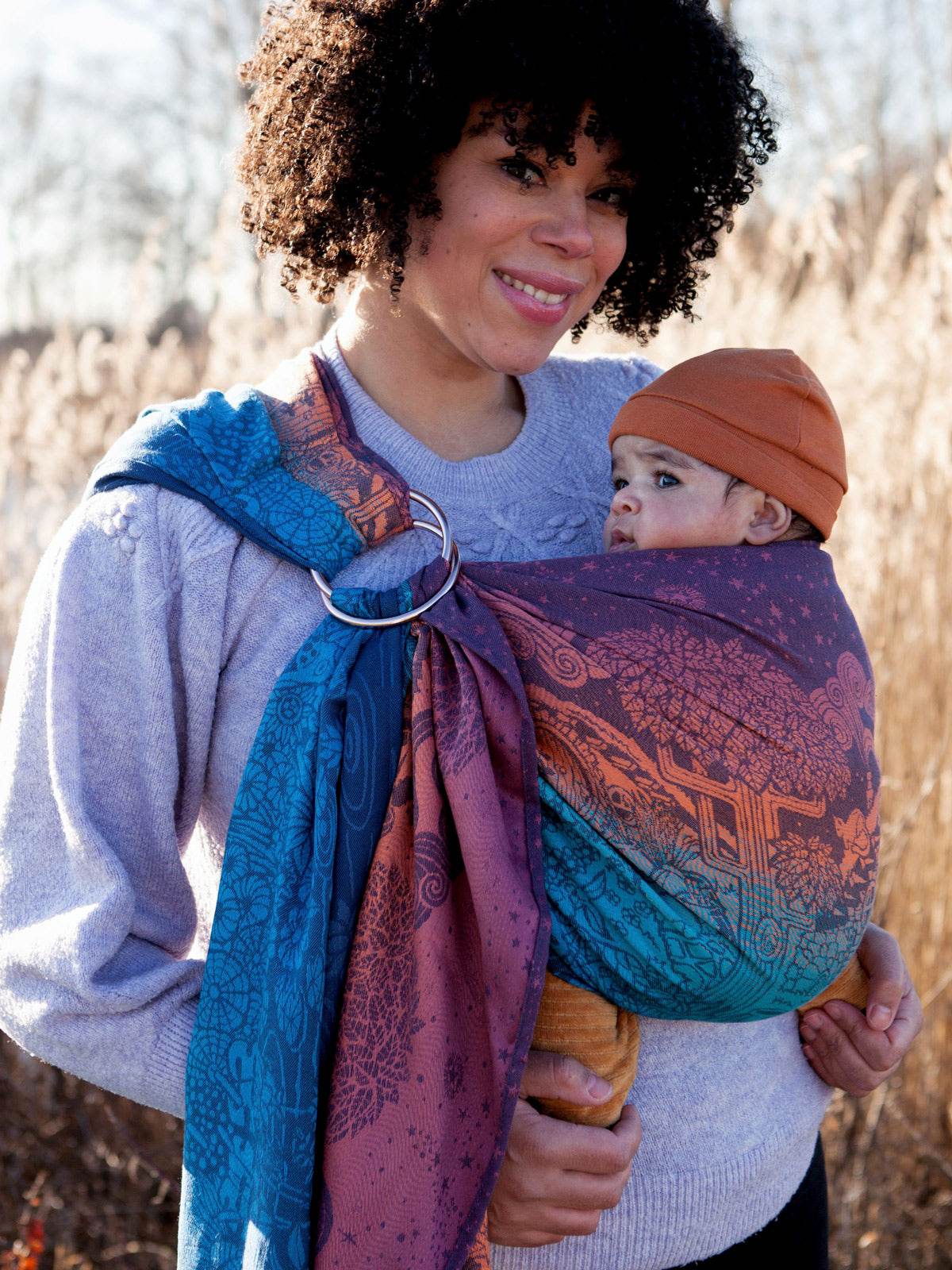
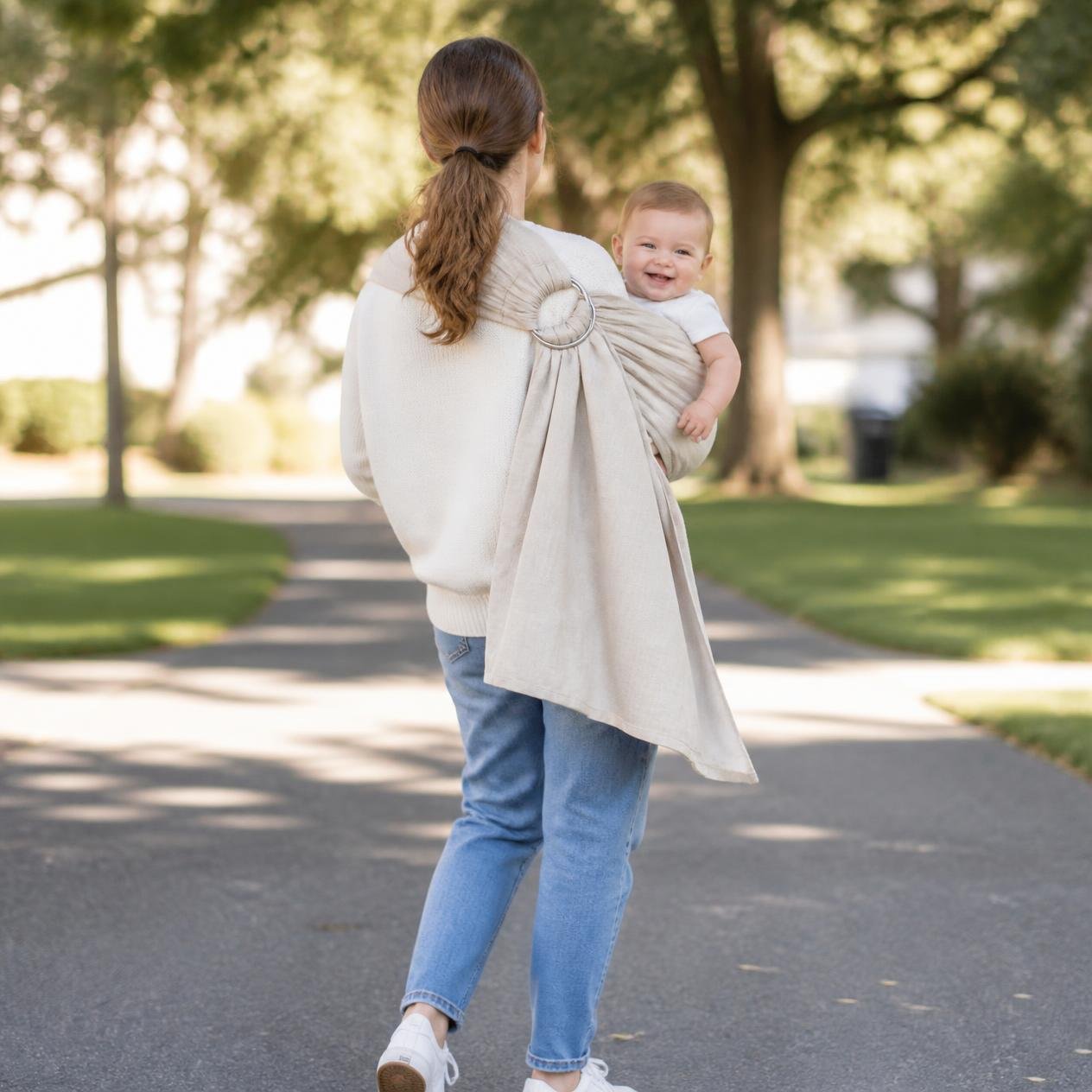
A ring sling is a long piece of fabric with two rings sewn at one end. You thread the fabric through the rings to make a secure pouch, which you wear across your body from shoulder to hip. It’s loved for its simplicity, quick on-and-off, and snug fit for newborns.
Pros:
- Easy to adjust for breastfeeding
- Good for short trips and soothing naps
- Compact and fits in a diaper bag
- Adjustable for different wearers
Cons:
- Weight is on one shoulder, which can get tiring
- Takes practice to thread and adjust
- Not always comfortable for long walks or bigger babies
Main Ring Sling Alternatives
Let’s compare the main alternatives you’ll see in stores and online.
1. Stretchy Wraps (e.g., Moby Wrap)
A stretchy wrap is a long, stretchy piece of fabric you tie around your body to hold your baby close. The most famous is the Moby Wrap.
Pros:
- Excellent for newborn support, baby is snug and secure
- Even weight distribution across both shoulders and back
- Great for skin-to-skin contact and bonding
- Good for naps at home
Cons:
- Long fabric can be confusing at first
- Can feel hot in warm weather
- Not as quick to put on or take off as a sling
Who Should Choose This?
- Parents who want a cozy, womb-like feel for their newborn
- Anyone willing to learn the tying technique
2. Woven Wraps
A woven wrap is similar to a stretchy wrap but made from a firmer, non-stretchy fabric. It gives more support, especially as your baby grows.
Pros:
- Can be used from newborn to toddler (up to 45 lbs)
- Many ways to tie—front, back, or hip carries
- Very supportive, even for longer walks
Cons:
- Steeper learning curve than a ring sling
- Tying takes time, not ideal for quick errands
- Bulkier to carry in your bag
Who Should Choose This?
- Parents who want one carrier from birth to toddlerhood
- Those with patience for learning new skills
3. Soft Structured Carriers (buckle Carriers)
These are the most common carriers you see with buckles and padded straps. Big brands include Ergobaby and Baby Bjorn.
Pros:
- Fast to put on and adjust
- Excellent weight distribution, comfortable for long periods
- Many have newborn inserts or adjustable panels
- Good for travel and outdoor activities
Cons:
- Bulkier than slings or wraps
- Not as easy for breastfeeding
- Some models are expensive
Who Should Choose This?
- Parents who plan lots of walking or travel
- Caregivers who want an easy, no-fuss carrier
4. Pouch Slings
A pouch sling is a simple loop of fabric sewn in a curve. There are no rings or buckles.
Pros:
- Very quick to put on, just slip over your shoulder
- Lightweight and portable
- Good for quick errands
Cons:
- Not adjustable, must buy the right size
- Less support, not great for long use
- Can be tricky to get a safe position for newborns
Who Should Choose This?
- Parents who want a backup carrier for short outings
- Those who prefer simplicity over adjustability
5. Mei Tai (meh Dai) Carriers
A Mei Tai is a blend between a wrap and a buckle carrier. It has a rectangular body panel, with long fabric straps you tie around your waist and shoulders.
Pros:
- Good weight distribution, comfortable for long use
- Adjustable for different body types
- Can do front, back, or hip carries
Cons:
- Tying takes longer than a buckle carrier
- Straps can drag on the ground when putting on
Who Should Choose This?
- Parents who want adjustability but dislike buckles
- Families with more than one babywearer
6. Baby Bjorn
Baby Bjorn is a famous brand of soft structured carriers, often used for young babies.
Pros:
- Simple to use, easy clips and adjustments
- Good support for newborns
- Lightweight and compact
Cons:
- Some models lack good hip support for older babies
- Less comfortable for long periods as baby grows
- More expensive than some other options
Who Should Choose This?
- Parents who want a no-fuss carrier for the early months
- Those who value brand reputation and easy cleaning
7. Ergobaby
Ergobaby is known for supportive, ergonomic buckle carriers.
Pros:
- Great support for both baby and wearer
- Many models grow with your child (infant to toddler)
- Offers multiple carrying positions
Cons:
- Bulkier than slings or wraps
- Higher price point
- Takes a little time to adjust straps
Who Should Choose This?
- Parents who want one carrier for years
- Those who value comfort for long outings
Real-life Scenarios: Which Carrier Wins?
Let’s see how each carrier type fits real life with a new baby.
Newborn Naps At Home
- Stretchy wraps and ring slings shine here. Both let you keep your newborn close and upright, which helps with reflux and bonding. Wraps spread baby’s weight over both shoulders, which is easier on your body if you’re sitting or moving around the house.
- Tip: Always make sure baby’s face is visible and chin is off their chest to keep airways clear.
Quick Errands Or School Drop-off
- Ring slings and pouch slings are the fastest to put on, great for short trips in and out of the car.
- Soft structured carriers (like Baby Bjorn or Ergobaby) are also quick if you keep them adjusted to your size.
Housework Or Cooking
- Buckle carriers and woven wraps provide the best support for long periods. Your hands stay free, and you can move comfortably without shoulder pain. If you prefer slings, switch shoulders often to avoid soreness.
Travel And Public Transport
- Soft structured carriers (Ergobaby, Baby Bjorn, Tula) are best for airports or subways. They’re supportive, easy to put on in tight spaces, and less likely to drag on the ground than wraps.
- For older babies, Mei Tai or woven wraps can be comfortable for long walks or sightseeing.
Breastfeeding On The Go
- Ring slings and some stretchy wraps allow discreet, hands-free breastfeeding with a little practice. You can loosen the sling and shift baby to the breast without taking them out.
- Tip: Always reposition baby upright and check their airway after feeding.
Safety First: Key Tips For Babywearing
No matter which carrier you choose, safety comes first. Follow the T.I.C.K.S. rule for safe babywearing:
- Tight: Carrier should be snug, with no loose fabric.
- In View at All Times: You should see baby’s face by just glancing down.
- Close Enough to Kiss: Baby’s head is high on your chest.
- Keep Chin Off Chest: Baby’s chin should not rest on their chest to keep airways open.
- Supported Back: Baby’s back should be supported in a natural position.
Extra Insights:
- Babies under 4 months need extra support for their head and neck. Not all carriers do this well—wraps and slings are usually better for newborns than buckle carriers unless you use an infant insert.
- Avoid “crotch-dangler” carriers that let baby’s legs hang straight down. Look for carriers that support baby’s knees higher than their bottom, making an “M” shape.
Comparing Price, Portability, And Learning Curve
Choosing a carrier is also about what fits your budget, how easy it is to carry, and how long it takes to learn.
| Carrier Type | Average Price | Portability | Learning Curve |
|---|---|---|---|
| Ring Sling | $40–$110 | Very compact | Medium (threading, adjusting) |
| Stretchy Wrap | $30–$70 | Compact | High (tying required) |
| Woven Wrap | $60–$180 | Bulky | High (many ties to learn) |
| Buckle Carrier (Ergobaby, etc.) | $80–$180 | Bulky | Low (clip and go) |
| Pouch Sling | $20–$50 | Very compact | Very low (just slip on) |
| Mei Tai | $40–$110 | Medium | Medium (tying straps) |
| Baby Bjorn | $70–$150 | Compact | Low (clip and go) |
Non-obvious insight: Higher price does not always mean better comfort. Some parents find a $40 sling more comfortable than a $150 buckle carrier, depending on their body shape and how they use it.
Credit: www.hopeandplum.co
Carrier Comparison: Comfort, Safety, And More
Now let’s see how the main options compare for comfort, safety, and everyday use.
| Carrier | Comfort | Safety | Ease of Use | Newborn Support | Breastfeeding |
|---|---|---|---|---|---|
| Ring Sling | Good (short use) | High (if used correctly) | Medium | Good | Excellent |
| Stretchy Wrap | Excellent (newborns) | High | Medium | Excellent | Good |
| Woven Wrap | Excellent (all ages) | High | Low (learning required) | Excellent | Good |
| Buckle Carrier | Excellent (all ages) | High | Excellent | Good (with insert) | Fair |
| Pouch Sling | Fair (short use) | Medium (sizing needed) | Excellent | Poor (unless sized well) | Fair |
| Mei Tai | Very Good | High | Medium | Good | Fair |
| Baby Bjorn | Good (newborns) | High | Excellent | Good | Fair |
Extra insight: A carrier that’s perfect for one parent may not work for another. Factors like shoulder width, back strength, and even baby’s body type can change your experience.
Who Should Choose Which Carrier?
- Ring sling: Great for parents who want quick ups and downs, especially with a newborn or young baby. Best for soothing, breastfeeding, and short trips. Not ideal for long walks or those with shoulder problems.
- Stretchy wrap: Perfect for the first 4–6 months. If you want closeness and a “womb-like” feel, this is it. Not for hot weather or quick errands.
- Woven wrap: The most versatile, but requires patience. If you love learning new skills and want one carrier for years, try this.
- Buckle carrier: For parents on the go, perfect for walks, travel, and long outings. Good for both parents sharing the carrier.
- Pouch sling: Backup carrier for short errands, especially with older babies. Not for newborns unless you’re very sure about sizing.
- Mei Tai: For families wanting flexibility without buckles. Good middle ground between wraps and structured carriers.
- Baby Bjorn/Ergobaby: Best for parents who want a simple, reliable brand with good newborn support and easy cleaning.

Credit: www.ccfamct.us
Practical Buying Advice
- Try before you buy: Many local babywearing groups let you try carriers or rent them. A carrier that looks perfect online might not feel right in real life.
- Check safety certifications: Look for brands that follow safety standards. Avoid unknown brands with no reviews or instructions.
- Think about your main use: Do you need a carrier mostly for naps, errands, or long walks? Pick based on your main need.
- Consider your climate: Some wraps and slings are hot in summer. Look for breathable fabrics if you live somewhere warm.
- Don’t overbuy: Start with one good carrier, then add another if you see a need. Many parents use two: one for newborn snuggles, one for outings.
For more carrier reviews and safety guides, visit Babywearing International’s Choosing a Carrier guide.
Frequently Asked Questions
What Is The Safest Baby Carrier For Newborns?
The safest carriers for newborns are stretchy wraps, woven wraps, and ring slings, when used properly. They support baby’s head, neck, and hips. Always follow the T.I.C.K.S. safety rules.
Are Buckle Carriers Safe For Newborns?
Yes, but only if they include a newborn insert or adjust to baby’s small size. Make sure baby’s head is well supported and their face is visible.
Can I Breastfeed In All Baby Carriers?
You can breastfeed in most carriers with practice. Ring slings and wraps are easiest for feeding on the go. Always re-adjust baby upright and check their airway after feeding.
How Do I Know If My Baby Is Positioned Correctly?
Check that baby’s knees are higher than their bottom (the “M” position), their back is supported, and their face is uncovered. Follow the T.I.C.K.S. guidelines for safe positioning.
Which Carrier Is Best For Travel?
Soft structured carriers like Ergobaby, Tula, or Baby Bjorn are best for travel. They’re easy to use in airports or public places, quick to put on, and comfortable for long periods.
Credit: oschaslings.com
Final Thoughts
Choosing the best carrier is personal, what works for one parent might not work for another. If you want quick, easy comfort for a newborn, a ring sling or stretchy wrap is hard to beat. For all-day outings or as your baby grows, a buckle carrier offers the best support. The key is to try different styles, focus on safety, and pick what fits your life. Babywearing is about more than just hands-free convenience, it’s a way to bond, comfort, and enjoy your baby every day.
I’m Melissa Turner, a mom of two passionate about helping parents make confident buying decisions. I research and review baby gear, compare trusted products, and share practical parenting tips based on careful research. My goal is to simplify shopping with honest, easy-to-understand guides that put safety, comfort, and value first. I focus on baby carriers, strollers, feeding essentials, nursery products, and everyday parenting gear. I hope my recommendations help make your parenting journey a little easier and more enjoyable.