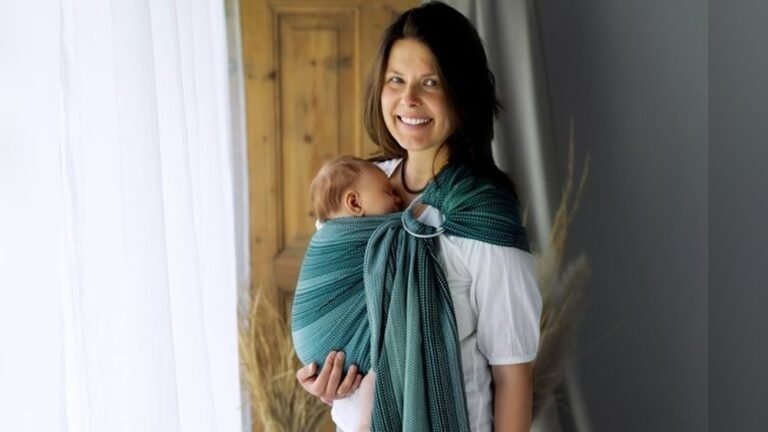

How to Do a Hip Carry With a Ring Sling Easily & Safely
When you’re learning to carry your baby, you want something that’s simple, safe, and comfortable. The hip carry with a ring sling is one of the most practical ways to keep your little one close while freeing your hands. Here’s a concise answer for busy parents: To do a hip carry with a ring sling, thread the sling, place your baby high on your hip, pull the fabric snug, and check that your baby’s head is close enough to kiss. Below, I’ll walk you through each step, share real-life tips, and explain how to keep your baby safe and happy.
Why Choose A Hip Carry With A Ring Sling?
The hip carry is loved by experienced parents for good reasons:
- It’s quick to put on and adjust.
- Your baby can see the world and still snuggle close.
- It’s easier on your back and shoulders than carrying in your arms.
- Works well for babies with good head control (usually 4+ months).
You may be wondering how the hip carry compares to the front carry. Here’s a quick look:
| Carry Type | Best Age | Comfort | Visibility | Feeding Support |
|---|---|---|---|---|
| Front Carry | 0–6 months | Very High | Parent’s chest | Excellent |
| Hip Carry | 4 months+ | High | Side view | Good |
How To Wear A Ring Sling
Before you start carrying, you need to know how to wear a ring sling properly. This helps you avoid discomfort and keeps your baby safe.
Step 1: Threading The Sling
- Hold your ring sling by the rings in one hand and the tail in the other.
- Spread the fabric wide and thread the tail through both rings, then back through just one ring (like a belt buckle).
- Fan out the fabric so it doesn’t twist. This makes tightening easier.
Step 2: Placing The Sling
- Put the sling over one shoulder (your choice, but start with your non-dominant side).
- The rings should sit high on your chest, just below your collarbone.
- Spread the fabric across your back to avoid bunching.
Pro tip: If your rings slide down, start with them higher. They’ll move down as you tighten.
Step 3: Preparing For Baby
- Make a pocket with the fabric, leaving enough space for your baby to fit.
- The deepest part of the pocket should be at your hip, where your baby will sit.

Credit: www.reddit.com
How To Put Baby In A Ring Sling: Hip Carry
Now, let’s focus on how to do a hip carry with a ring sling. Follow these steps for safe, comfortable babywearing.
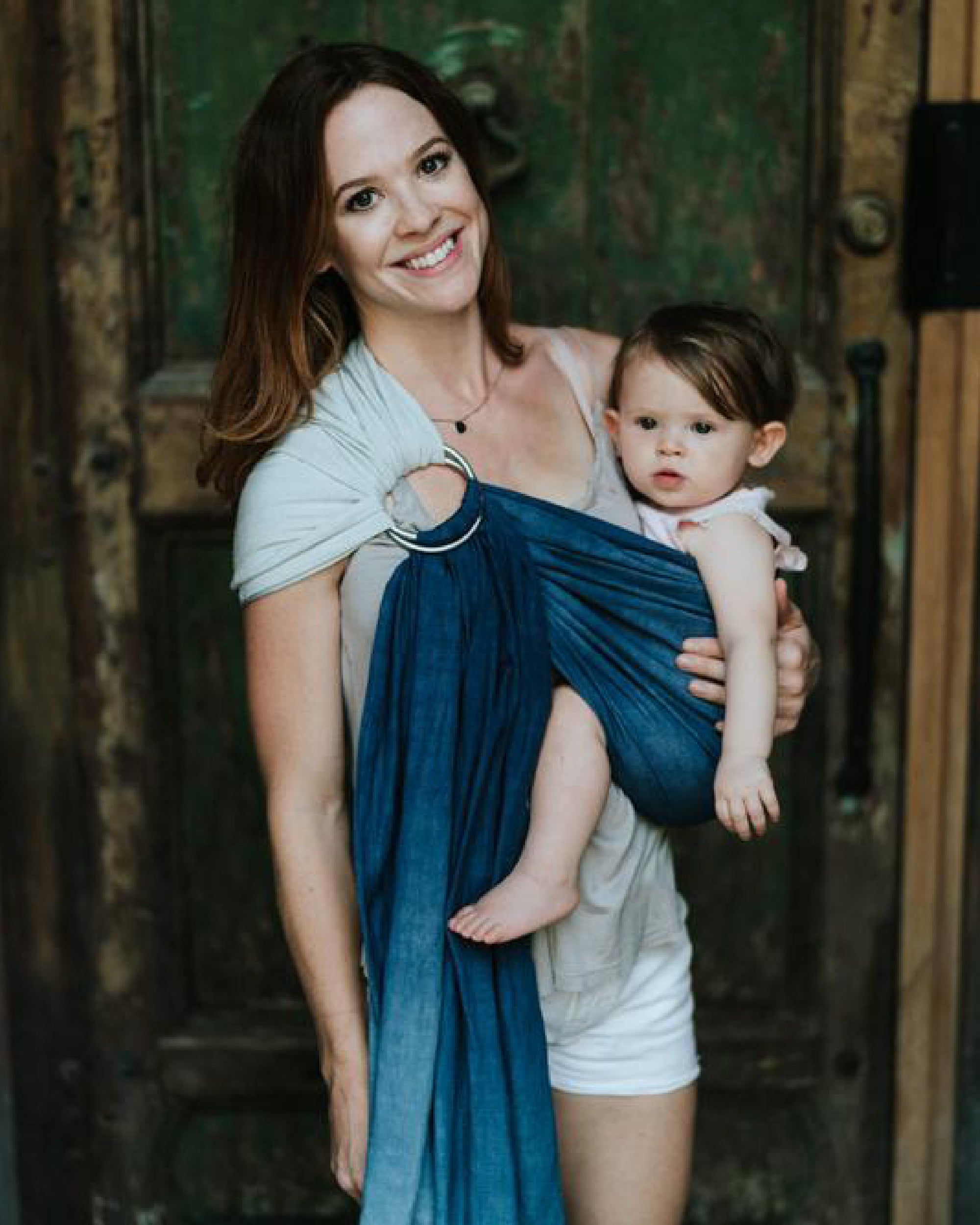
Step 1: Position Your Baby
- Hold your baby high on your hip, facing you.
- Support their bottom and back with one hand.
Step 2: Guide Legs And Bottom Into Sling
- Slide your baby’s legs through the pocket, so one leg is in front and one behind you.
- Their bottom should sit deep in the sling, knees higher than their bottom (like a squat).
Step 3: Bring Fabric Up
- Lift the fabric up and around your baby’s back and shoulders.
- Make sure the fabric supports from knee to knee.
Step 4: Tighten The Sling
- Hold your baby with one hand.
- With the other hand, pull the tail of the sling through the rings, tightening section by section.
- Start by tightening the top rail (edge), then the middle, then the bottom.
Step 5: Safety Checks
- The rings should stay near your collarbone.
- Baby’s head is “close enough to kiss.”
- Baby’s face is visible, chin off chest, and airways clear.
Here’s a quick summary:
| Step | What to Do | Why It Matters |
|---|---|---|
| Thread the sling | Prepare the fabric and rings | Easy tightening, no twisting |
| Place sling on shoulder | Rings high, fabric spread | Comfort and stability |
| Seat baby | Baby on hip, knees up | Healthy hip position |
| Lift fabric and tighten | Adjust evenly | Secure hold, no slumping |
| Safety check | Face visible, chin up | Clear breathing, safe carry |
How To Do A Front Carry With A Ring Sling
Many parents start with a front carry, especially for newborns. This method keeps your baby snug and supported on your chest.
Front Carry Steps
- Thread and prepare your sling as above.
- Hold your baby against your chest, facing you, high enough to kiss the top of their head.
- Slide your baby into the pocket, legs tucked in or out (for newborns, keep legs in until they naturally open).
- Pull the fabric up to support the back and neck.
- Tighten the sling, starting with the top rail, until snug but not restricting.
- Do the T.I.C.K.S. Safety check.
Front carry is best for newborns and young infants who need more head and neck support.

Credit: nalakai.com
How To Breastfeed In A Ring Sling
One of the most helpful things about ring slings is that you can nurse your baby hands-free. Here’s how to breastfeed in a ring sling safely:
- Loosen the sling slightly so your baby is lower and at breast height.
- Guide your baby to latch while still fully supported by the sling.
- Keep your baby’s face visible, and never cover their nose or mouth with fabric or your breast.
- After feeding, re-tighten the sling and return your baby to an upright, chest-to-chest position.
Important: Always monitor your baby during feeding. Never let them sleep in a cradled or chin-to-chest position in the sling.
T.i.c.k.s. Babywearing Safety
Safety is everything. The T.I.C.K.S. rules help you remember the essentials for safe babywearing:
- Tight: Sling is snug to support your baby.
- In view at all times: You can always see your baby’s face.
- Close enough to kiss: Baby’s head is within easy reach.
- Keep chin off chest: Baby’s chin is up and airways clear.
- Supported back: Baby’s back is straight and well supported.
Double-check these points every time you use your ring sling.
Common Mistakes And How To Fix Them
Even experienced parents make mistakes when learning how to wear a ring sling. Here are some common issues and how to solve them:
- Rings too low: If the rings slip down toward your breast, start with them higher. Tighten the sling in small sections.
- Baby too low: Your baby should be high enough to kiss. If not, take them out and start again.
- Twisted fabric: This makes tightening hard and can dig into your shoulder. Spread the fabric wide before putting your baby in.
- Loose seat: The fabric should support from knee to knee. If your baby’s bottom is slipping, check that you’ve made a deep seat.
- Covering baby’s face: Always keep the fabric off your baby’s face for safe breathing.
Pro tip: Try adjusting in front of a mirror or ask a partner to check your sling placement.
Age-specific Advice For Ring Sling Carries
Babies grow fast, and their needs change. Here’s what to consider at different stages:
Newborns (0–4 Months)
- Use the front carry for more head and neck support.
- Keep legs tucked in until your baby naturally opens their hips.
- Make sure the sling supports the whole back.
Older Babies (4–12 Months)
- Hip carry is perfect once your baby holds their head up.
- Baby can look around and interact more.
- Adjust the fabric over the shoulder for comfort.
Toddlers (12 Months+)
- Hip carry still works for quick ups and downs.
- Use a wider seat to support heavier weight.
- Switch sides often to avoid shoulder fatigue.
Credit: nalakai.com
Ring Sling Comfort Tips From Experience
After years of daily babywearing, I’ve learned some tricks to make the hip carry easier:
- Switch which shoulder you use throughout the day.
- Wear the sling snugly; loose fabric leads to back pain.
- Dress your baby in light clothes, as the sling adds warmth.
- Keep a small cloth handy for spills, especially if nursing.
- Practice at home before using the sling out and about.
If you ever feel uncomfortable, take a break and adjust. Your comfort matters as much as your baby’s.
How To Choose The Right Ring Sling
Not all ring slings are the same. Here are key things to look for:
- Fabric: Cotton and linen are breathable and strong.
- Length: Standard is about 75–85 inches, but check for your size.
- Rings: Aluminum rings are safest; avoid plastic.
- Brand reputation: Buy from a trusted company. Look for slings tested for safety.
Cost comparison: Good quality ring slings range from $40–$120.
| Material | Pros | Cons | Best For |
|---|---|---|---|
| Cotton | Soft, easy care | May stretch over time | All ages |
| Linen | Strong, cool in heat | Needs breaking in | Heavy babies, hot weather |
| Bamboo blend | Very soft, light | Less supportive for toddlers | Newborns |
For more on babywearing safety and carrier types, check out the Babywearing International Safety Guidelines.
Key Takeaways For New Parents
Learning how to do a hip carry with a ring sling may feel tricky at first, but with a little practice, it becomes second nature. Remember to:
- Always check the T.I.C.K.S. Safety rules.
- Start with the front carry for newborns and move to hip carry as your baby grows.
- Adjust the sling for comfort and support.
- Don’t rush—give yourself and your baby time to get used to each step.
- If you’re unsure, ask a certified babywearing educator or consult a trusted source.
A ring sling is more than just a piece of fabric, it’s a way to bond with your child, move freely, and feel confident as a parent. Trust your instincts, and soon you’ll carry your baby with ease and joy, whether at home or out in the world.
I’m Melissa Turner, a mom of two passionate about helping parents make confident buying decisions. I research and review baby gear, compare trusted products, and share practical parenting tips based on careful research. My goal is to simplify shopping with honest, easy-to-understand guides that put safety, comfort, and value first. I focus on baby carriers, strollers, feeding essentials, nursery products, and everyday parenting gear. I hope my recommendations help make your parenting journey a little easier and more enjoyable.