
Bassinet vs Mini Crib: Which Bed Is Right for Your Baby
Choosing between a bassinet and a mini crib depends on your space and how long you want the bed to last, as a bassinet is smaller and portable but only lasts until your baby rolls over, while a mini crib is larger, sturdier, and can often be used for up to 12 months. You’ll find that bassinets work best for those who want their baby right next to the bed in the first few months, while mini cribs are better for parents who want a long-term solution that fits in a smaller nursery.
Comparing the bassinet and mini crib

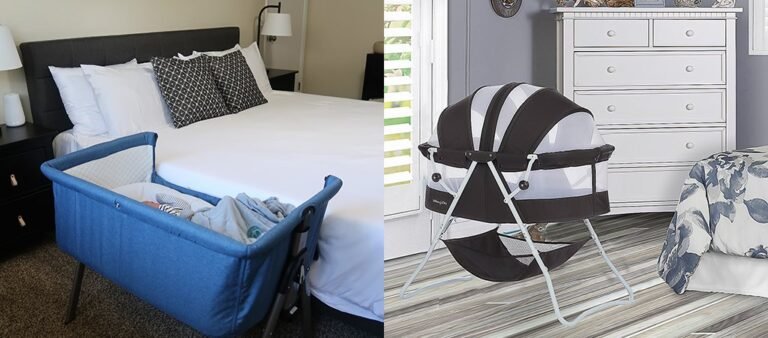
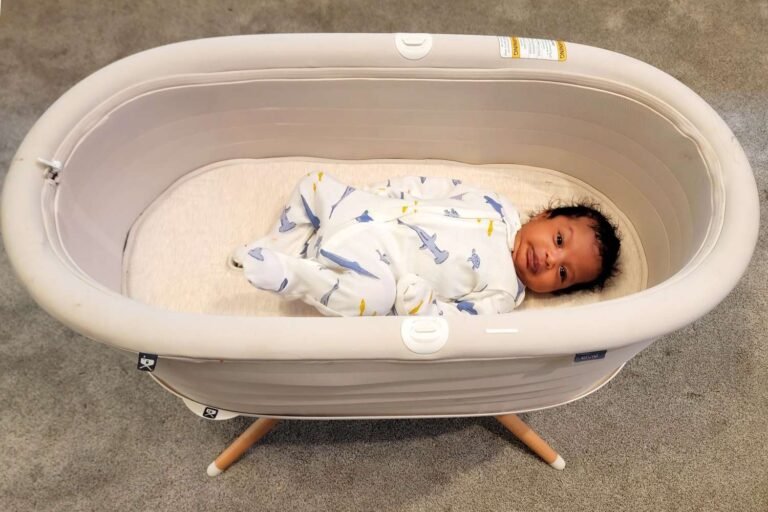
The main difference between these two sleeping options is the size and the amount of time your baby can safely use them. Bassinets are designed for newborns and offer a cozy, enclosed environment that makes it easy to reach over and soothe your baby during the night. Because they’re lightweight, you can often move them from your bedroom to the living room during the day.
Mini cribs are basically smaller versions of standard full-sized cribs. They offer a more permanent sleeping area that’s still compact enough for tighter rooms. While they don’t have the same portability as a bassinet, they provide a much longer period of use.
| Feature | Bassinet | Mini Crib |
|---|---|---|
| Typical Use Time | 0–4 months | 0–12 months |
| Portability | High (wheels or lightweight) | Low (mostly stationary) |
| Footprint | Very small | Compact but larger |
| Adjustability | None | 2–3 mattress heights |
When to Choose One Over the Other
You should pick a bassinet if you have very limited space in your primary bedroom or if you want to keep the baby within arm’s reach for late-night feedings. They’re excellent for the first few months when the baby isn’t yet mobile. However, once your child starts pushing up on their hands or knees, you’ll need to move them to a safer, deeper sleeping space immediately.
Choose a mini crib if you want to skip buying multiple pieces of furniture. Many models feature adjustable mattress heights, which means you can lower the base as your baby grows. This keeps your child safe even as they begin to sit up or stand. It’s a more sustainable choice if you don’t have room for a full-sized crib but still want a secure bed that lasts through the first year.
Tip: Always check the weight limit provided by the manufacturer, as some smaller sleepers become unsafe long before the baby reaches a specific age.
Safety Standards You Must Check
Safety is the most important factor when choosing any baby furniture. Regardless of the type you pick, you need to ensure the product meets current safety requirements to prevent accidents. In the United States, the Consumer Product Safety Commission sets strict rules for infant sleep products, including requirements for the mattress and the distance between slats or sides.
Check the slats specifically; the spacing must not exceed two-and-three-eighths inches to prevent an entrapment risk. Don’t rely on secondhand gear unless you have the original manual to verify it predates no major recalls.
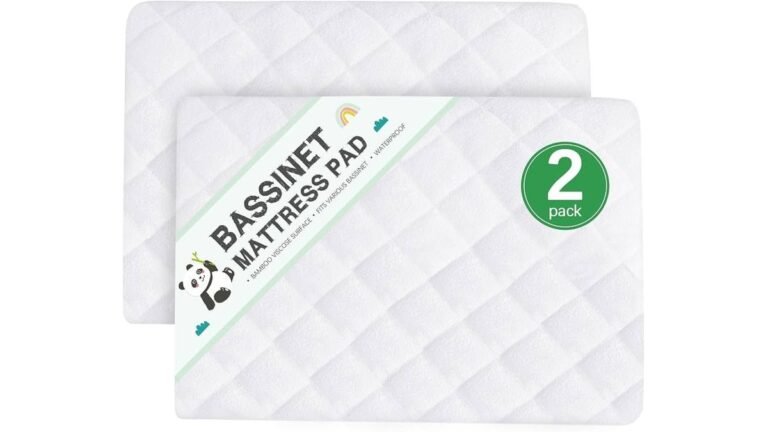
When you bring a new sleeper home, ensure it’s set up on a flat, level surface away from window blinds or cords. Never add extra blankets, pillows, or stuffed animals to the sleeping area, as these items increase the risk of suffocation. Stick to a firm, tight-fitting mattress that’s designed specifically for that exact make and model. Using a third-party mattress creates dangerous gaps at the edges where an infant can become wedged.
Common Mistakes to Avoid

One common mistake is assuming that a “portable” bassinet is safe to use as a primary bed for long periods. These units are designed for short-term convenience, not for the eight to twelve hours of continuous sleep required by an infant. Once your baby reaches the weight limit—typically 15 to 20 pounds—or begins pushing up on their hands and knees, they must move to a full-sized crib immediately.
Never swap a mattress from a different brand or model, even if the dimensions seem identical. A gap of just two fingers between the mattress and the side wall creates a suffocation risk. If you can fit more than two fingers between the mattress and the frame, the mattress is too small and isn’t safe. If you can, the mattress is too small.
Failing to tighten hardware during assembly is another frequent error. Check all screws and bolts before the first use and perform a quick manual check every two weeks. Vibrations from daily movement often loosen connections over time. If you’re buying a used item, skip it unless you have the original manual to verify that no parts are missing or modified. Modern safety standards change frequently, and older frames often lack the structural integrity required for current regulations.
Related guides
- Ring Sling Vs Baby Bjorn | Which Baby Carrier Is Best?
- Ring Sling Vs Woven Wrap | Which Baby Carrier Is Best?
- Ring Sling Vs Wrap | Which Baby Carrier Is Best for You?
Frequently Asked Questions
Can a mini crib fit through a standard doorway?
Yes, most mini cribs are designed to fit through standard door frames without needing to be disassembled. This makes it easy to move the crib between rooms if you decide to change your nursery layout later on, though you should always measure your specific doorways first.
Is it safe to let a baby sleep in a bassinet during the day?
It’s safe to let your baby nap in a bassinet as long as you’re following safe sleep guidelines. Always keep the area clear of toys and blankets, and ensure the bassinet is placed on a stable surface where it won’t be bumped by pets or other children.
Do I need a special mattress for a mini crib?
Yes, you must use a mattress specifically sized for your mini crib model. Because mini cribs vary in dimensions, a generic mattress might leave dangerous gaps at the edges, which is why sticking to the manufacturer’s recommended size is a critical safety rule.
Conclusion
Decide based on how much floor space you have available and whether you prefer one long-term piece of furniture or a specialized newborn sleeper. Once you have made your choice, verify the specific model’s safety certifications before your baby arrives to ensure you have a secure environment prepared.

I’m Melissa Turner, a mom of two passionate about helping parents make confident buying decisions. I research and review baby gear, compare trusted products, and share practical parenting tips based on careful research. My goal is to simplify shopping with honest, easy-to-understand guides that put safety, comfort, and value first. I focus on baby carriers, strollers, feeding essentials, nursery products, and everyday parenting gear. I hope my recommendations help make your parenting journey a little easier and more enjoyable.