
Is a Bassinet Necessary for Your Newborn? The Honest Verdict
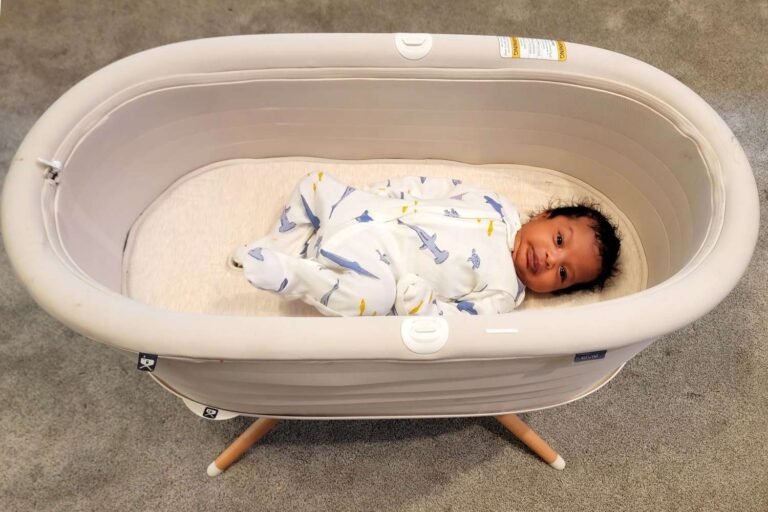
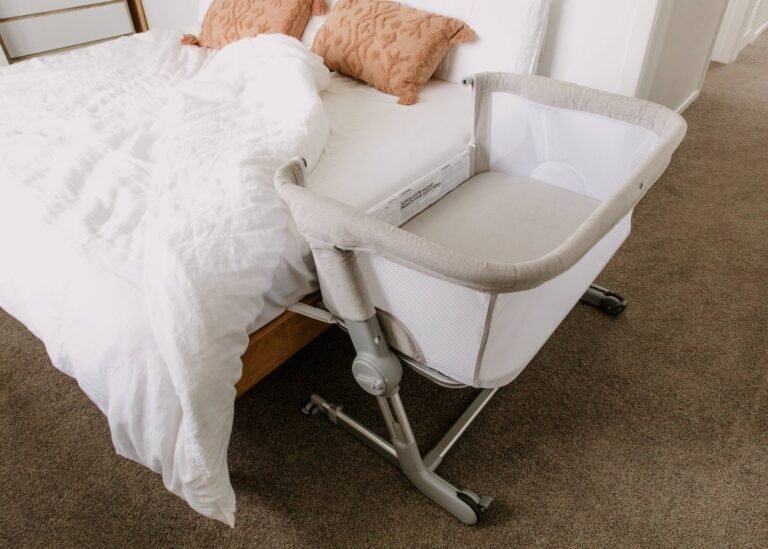
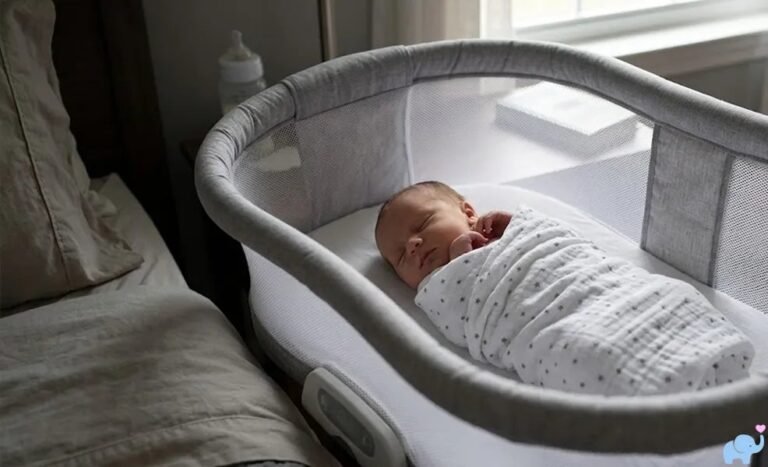
A bassinet isn’t strictly necessary for a newborn because a portable crib or a play yard with a bassinet insert serves the same purpose safely. Many parents choose one for the first 3 to 6 months because its small footprint fits easily beside a bed, though a full-sized crib is perfectly fine from the very first night home.
Are bassinets really necessary
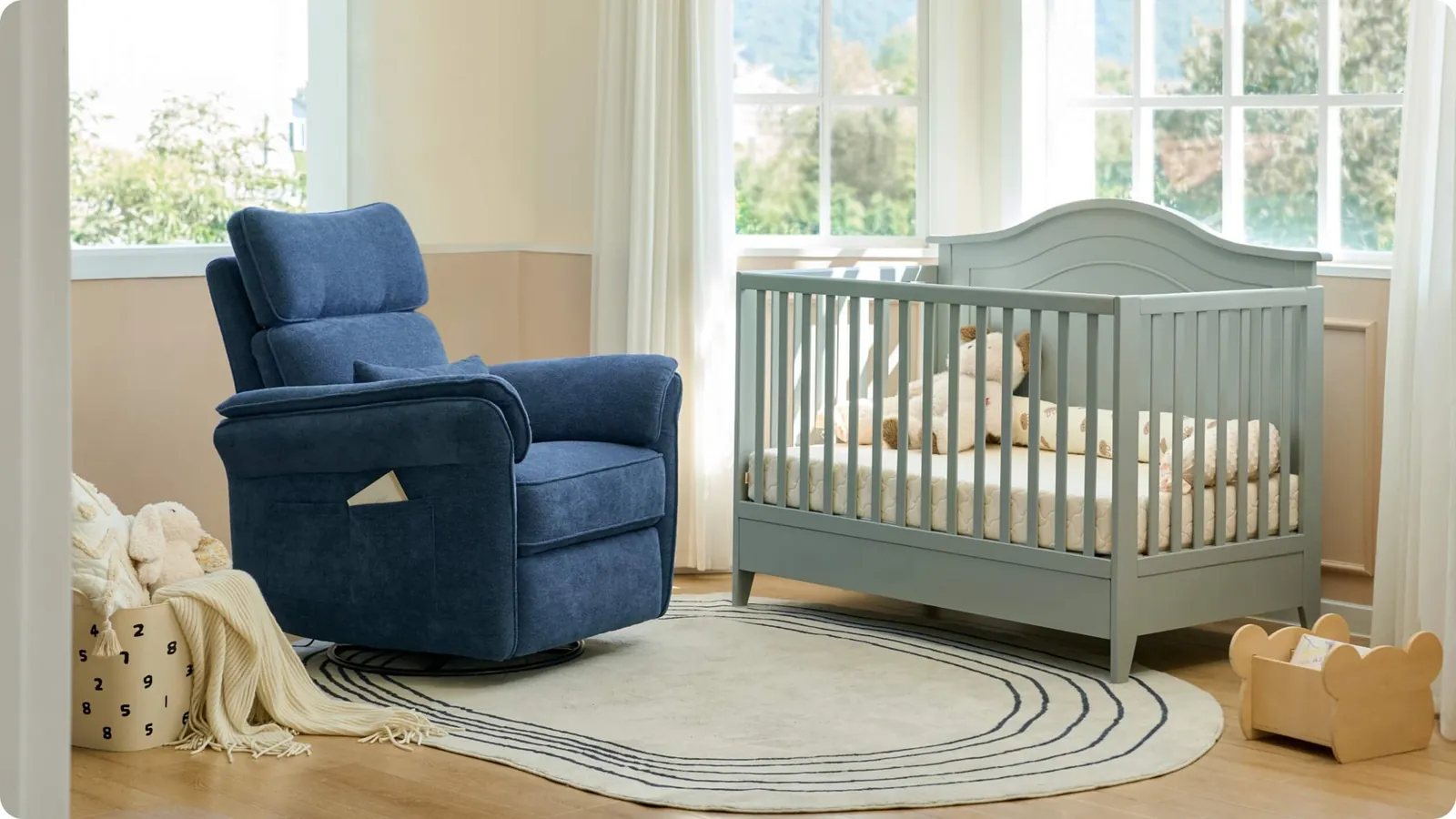
Choosing where your baby sleeps depends on your space and your budget. While a dedicated sleeper offers convenience, it’s often a temporary item that you’ll outgrow quickly. A full-sized crib lasts much longer, while a travel-friendly unit offers versatility for families who move between rooms or travel often.
| Sleep Option | Typical Lifespan | Primary Benefit |
|---|---|---|
| Bassinet | 3 to 6 months | Compact and portable |
| Full-sized Crib | 2 to 3 years | Long-term investment |
| Travel Play Yard | 1 to 2 years | Multi-purpose and mobile |
You don’t need to purchase every item on a baby registry list to keep your child safe. If you have limited floor space in your bedroom, the smaller size of a dedicated sleeper is helpful, but it’s not a requirement for safe sleep.
How to Choose the Right Setup
When deciding if you should buy a separate sleeper, focus on your specific living situation and mobility needs. You’ll want to prioritize safety standards over aesthetic features or extra bells and whistles.
- Check for safety certification: Verify the product meets current standards set by the Consumer Product Safety Commission to ensure it has proper ventilation and structural integrity.
- Measure your available space: Determine exactly where the unit will sit in your room, ensuring there’s enough clearance for you to walk around it comfortably at night.
- Evaluate your budget: Compare the cost of a temporary sleeper against a convertible crib that adjusts to fit a newborn, which saves you from buying two separate pieces of furniture.
- Consider your recovery: If you’re recovering from a difficult delivery, choose a model that allows you to easily reach your baby without straining your back or needing to stand up fully.
- Assess your lifestyle: If you plan on traveling or spending time in different parts of the house, a lightweight option that folds down might be more useful than a heavy piece of nursery furniture.
Tip: Always place the sleep surface on a flat, level floor and keep it away from window cords, curtains, or loose blankets that could pose a risk to your baby.
Is It Safe to Use a Used Sleeper?
Using a second-hand item is safe only if you can confirm it meets modern requirements and remains in excellent condition. Many older models lack the structural updates found in current products, which are designed to prevent accidental entrapment or collapses.
Before accepting a hand-me-down, inspect the frame for any loose screws, cracked plastic, or missing parts. If the fabric is worn, torn, or difficult to clean, it’s better to skip it. You should also check the manufacturer’s website for any active recalls, as older models are often included in safety alerts. Safety guidelines for infant sleep products change frequently, and a unit that was acceptable ten years ago might not pass the tests required today.
Look for the manufacturing date stamped on the frame. A common mistake is assuming that if a product looks clean, it’s safe. However, hidden hinge fatigue often leads to sudden collapses under weight. If you see signs of rust or metal stress, discard the item immediately. When in doubt, prioritize a new product over a used one to ensure full compliance with current federal safety standards.
Why Some Parents Skip the Bassinet
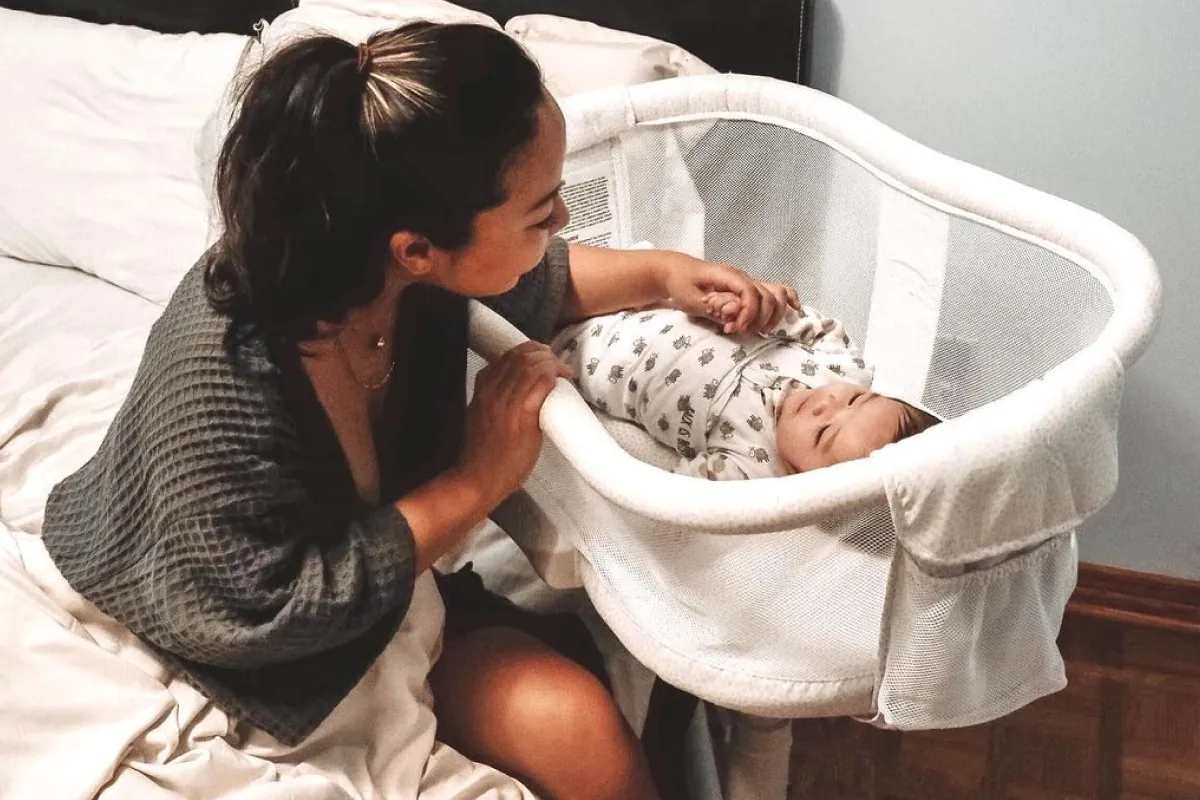
Many families skip this item because it represents an added expense for a very short period of use. Once a baby starts to push up on their hands or knees, which usually happens around 3 to 6 months, they’re no longer safe in most smaller sleepers.
If you have enough room for a standard crib in your bedroom, you might find it easier to simply start there. You’ll save money, reduce the amount of baby gear cluttering your home, and avoid the transition period when your baby has to move from a smaller sleeper to a larger crib later.
Some parents also find that using a crib from the start helps the baby get used to their permanent sleeping environment, which can make nighttime routines more consistent as they grow.
If your bedroom floor plan allows for a crib, check that you have at least three feet of clearance around the perimeter to ensure you can reach the mattress level comfortably. If your space is tighter than that, a bassinet may be a more practical choice for your room layout.
Most parents mistake the bassinet for a long-term investment, but it’s strictly a temporary bridge. Buying one new often costs more than the utility justifies, so look for a used model that allows you to replace the mattress pad entirely.
Related guides
- Benefits of Using Ring Sling for Newborns
- Top Honest Parent Reviews of Infant Car Seat
- Honest Parent Reviews of Car Seat Mirror 2026
Frequently Asked Questions
When must I stop using a bassinet?
You must stop using it as soon as your baby shows signs of being able to push up on their hands and knees. This typically happens between 3 and 6 months, though you should follow the specific weight or height limits provided by the manufacturer.
Can I use a bassinet for naps during the day?
Yes, you can use it for daytime naps, provided it meets safety standards and is placed in a safe location. Always ensure the surface is firm and free of blankets, pillows, or stuffed animals, which aren’t safe for an unattended infant.
Does a bassinet help with breastfeeding?
It can make nighttime feedings easier because the baby is within arm’s reach of your bed. This proximity allows you to respond quickly to your baby’s needs without having to walk to another room, which helps many parents get more rest.
Conclusion
Focus on finding a safe, firm, and flat surface for your baby that fits your specific bedroom layout. If you decide to skip the extra equipment, a standard crib is a perfectly safe and practical choice from day one. Prioritize your comfort and your baby’s safety over buying extra gear.
I’m Melissa Turner, a mom of two passionate about helping parents make confident buying decisions. I research and review baby gear, compare trusted products, and share practical parenting tips based on careful research. My goal is to simplify shopping with honest, easy-to-understand guides that put safety, comfort, and value first. I focus on baby carriers, strollers, feeding essentials, nursery products, and everyday parenting gear. I hope my recommendations help make your parenting journey a little easier and more enjoyable.