
Bassinet vs Co-Sleeper: How to Choose the Right Bed for Baby
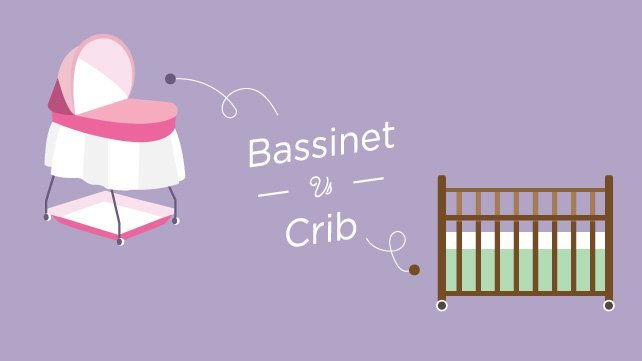
A bassinet is a small, standalone sleeping space for newborns, while a co-sleeper is designed to attach directly to your bed to keep the infant within arm’s reach. You’ll choose a bassinet if you want a portable, space-saving bed that can be moved between rooms, whereas a co-sleeper is the better option if you prioritize nighttime breastfeeding and want the baby physically close for easy monitoring.
Deciding between a bassinet and a co-sleeper

Deciding between these two depends entirely on your bedroom layout and your feeding preferences. A bassinet offers a dedicated, enclosed environment that’s often easier to fit in small bedrooms, as it doesn’t require a connection to your existing furniture. Because it’s a separate piece of furniture, you can pull it right up to your bedside or move it into the living room during the day.
A co-sleeper, often called a bedside sleeper, uses a drop-down side or an open wall to connect to your mattress. This setup creates a bridge between your bed and the baby’s space, which helps parents who need to reach over quickly to soothe or feed the child without getting out of bed. If your primary goal is minimizing movement during the night, this design is usually more efficient.
Check your bed frame height before buying a co-sleeper. Most models only adjust to a range of 18 to 24 inches. If your mattress sits higher or lower than that, the sleeper won’t align safely, creating a dangerous gap between the two surfaces. If you have a platform bed or a frame with deep side rails, a bassinet is the safer, more compatible choice.
Many parents mistakenly assume that a co-sleeper provides more total sleep time. In reality, the proximity often leads to “micro-waking,” where you respond to every small sound the baby makes. If you’re a light sleeper, the physical distance of a bassinet may actually help you rest better by preventing you from reacting to every stir.
| Feature | Bassinet | Co-sleeper |
|---|---|---|
| Placement | Standalone, near bed | Attached to your bed |
| Portability | High, often lightweight | Low, usually fixed in place |
| Ease of access | Requires sitting up | Direct reach from bed |
| Space required | Small footprint | Needs space next to mattress |
Safety Standards You Need to Know
Regardless of which style you choose, safety is the most critical factor for an infant’s sleep environment. You must ensure the product you select meets current federal safety regulations to prevent risks like suffocation or entrapment. Always look for a firm, flat mattress and avoid adding blankets, pillows, or stuffed animals to the area, as these items create hazards for young infants.
Check that the product has a stable base and a locking mechanism for any wheels or drop-down sides. If you buy a used model, inspect every joint and fabric panel carefully. Older products often lack the modern safety standards for side-wall stability and mesh breathability required by the Consumer Product Safety Commission.
If the product was manufactured before 2011, discard it immediately. Regulations changed significantly that year to mandate more rigorous testing for structural integrity. You can verify compliance by locating the manufacturer’s label, which must display the date of manufacture and a model number. If that label is missing or illegible, don’t use the item.
Always position the sleeping area on a flat, level surface at least three feet away from window cords, curtains, or electrical cables. These items pose a severe strangulation risk if they dangle within reach of the sleeping surface. When in doubt, perform the “reach test” by standing at the edge of the crib and extending your arm toward the nearest hazard.
Key Differences for Your Daily Routine

Think about how your nighttime schedule looks right now. If you’re breastfeeding, a bedside unit saves you from getting up multiple times, which helps you get more rest between feedings. However, if you have a high bed frame or a platform bed, a co-sleeper might not attach securely.
Check your mattress height against the manufacturer’s minimum and maximum clearance requirements before buying. If the gap between your mattress and the unit exceeds one inch, you risk creating a dangerous entrapment hazard for your infant.
A bassinet is generally more versatile because it doesn’t rely on your bed’s height or frame style. If you plan to travel or move the baby to a different room for naps, a lightweight model with a collapsible frame is much easier to manage.
You must watch for the physical milestones that signal the end of bassinet use. Most infants outgrow these small beds by 4 to 6 months. Stop using the unit the moment your baby can push up on their hands and knees or roll over. Ignoring these cues is a common mistake that leads to falls. If your baby is already hitting these developmental markers, skip the bassinet and move directly to a full-sized crib.
Related guides
- Do Babies Wear Diapers in the Pool ?
- Best & Easy Way to Clean Baby Carrier
- Mesh Ring Sling 2026 | Best Baby Carrier
Frequently Asked Questions
Can a co-sleeper be used as a standalone unit?
Many bedside models feature a retractable side wall that allows them to function as a standalone unit during the day. You should always verify that the side wall locks securely into place when it’s in the raised position to ensure the sleeping area remains fully enclosed.
When should I stop using these products?
Most manufacturers recommend stopping use once your child reaches a specific weight limit, typically around 15 to 20 pounds, or as soon as they show signs of rolling over. Moving the child to a full-sized crib at this stage prevents them from climbing out or tipping the structure over.
Is it safe to use a co-sleeper with a soft mattress?
You should never use a co-sleeper if your adult mattress is extremely soft, plush, or has a significant pillow top that creates a gap. A level, gap-free connection between the two surfaces is essential to prevent the infant from rolling into a space where they could become trapped.
Conclusion
Measure the space between your bed and the bedroom wall to see if a bedside unit will fit comfortably alongside your mattress. If you have limited floor space or need to move the bed frequently, prioritize a portable bassinet that offers a sturdy base and breathable mesh sides.

I’m Melissa Turner, a mom of two passionate about helping parents make confident buying decisions. I research and review baby gear, compare trusted products, and share practical parenting tips based on careful research. My goal is to simplify shopping with honest, easy-to-understand guides that put safety, comfort, and value first. I focus on baby carriers, strollers, feeding essentials, nursery products, and everyday parenting gear. I hope my recommendations help make your parenting journey a little easier and more enjoyable.