
Bassinet vs Bedside Sleeper: Which Choice Is Right for You
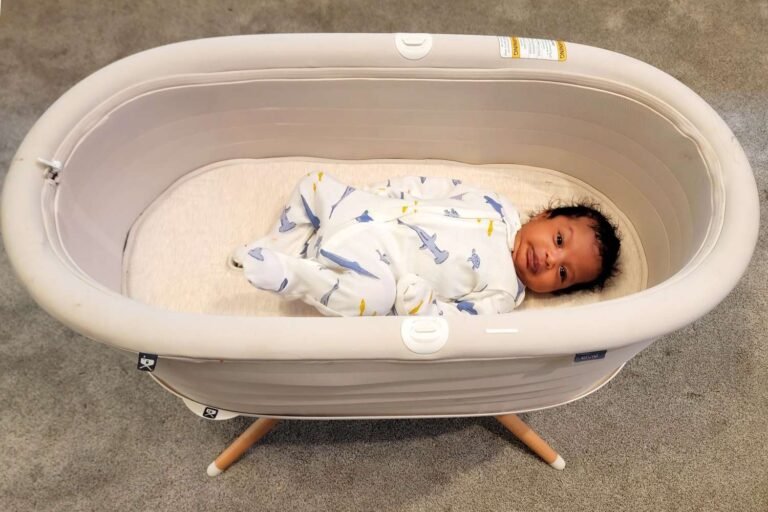
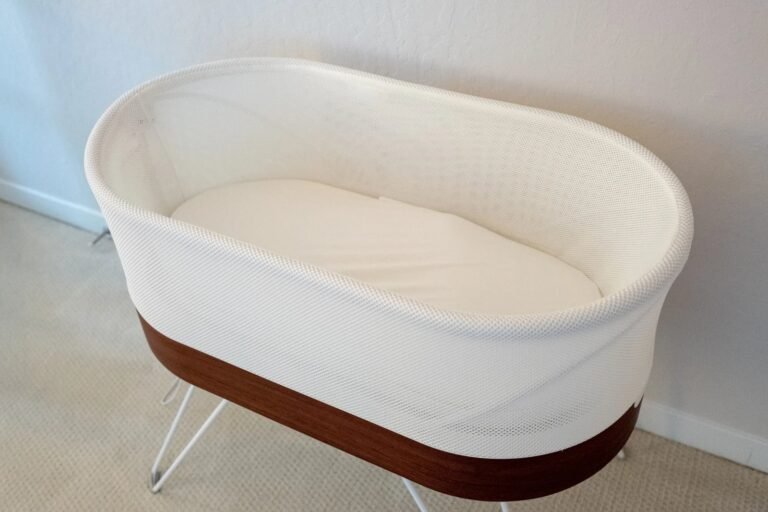
A bassinet is a standalone infant bed designed for portability and small spaces, while a bedside sleeper is a version of a bassinet that attaches directly to your bed frame for easier nighttime access. You’ll find that both options are safe if they meet federal standards, but their primary difference lies in how they connect to your sleeping area.
Comparing bassinet and bedside sleeper designs

Choosing the right unit depends on how your bedroom is laid out. A standard bassinet usually has four wheels or legs and stands independently, making it easy to move between rooms. In contrast, a bedside sleeper features a drop-down side or an open wall that aligns with your mattress height. This design allows you to reach your child without leaving your bed, which is helpful during frequent nighttime feedings.
| Feature | Standard Bassinet | Bedside Sleeper |
|---|---|---|
| Portability | High | Low |
| Attachment | None | Bed frame strap |
| Access | Top only | Side access |
| Footprint | Small | Larger |
If your bed frame has a thick lip or a storage drawer underneath, you can’t use a standard bedside sleeper. These units require a secure attachment point on your bed frame to anchor the safety straps. If your bed frame prevents a flush fit, choose a standalone bassinet to avoid a dangerous gap where a baby could become wedged.
Many parents mistakenly assume all bedside sleepers fit every bed height. Measure from the floor to the top of your mattress before buying. If your mattress sits higher than 24 inches, you must verify the sleeper has adjustable legs that reach that height.
A unit that sits too low creates a hazardous incline, while one that sits too high prevents the side wall from locking securely against your mattress. Always prioritize a design that allows the sleeper to sit perfectly level with your bed.
How to Choose the Right Option
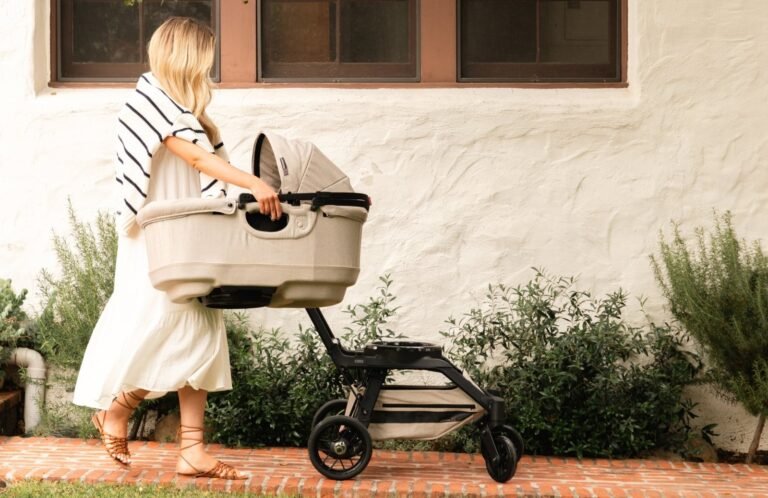
Selecting the right bed depends on your physical recovery after birth and your room configuration. If you prioritize the ability to soothe your child quickly during the night without getting up, a bedside sleeper is often the better choice. However, if you need a bed that you can easily roll into the living room during the day, a standalone bassinet is more practical.
- Measure your space: Check the distance between your bed and the nearest wall or furniture to ensure a bedside sleeper fits securely.
- Check bed compatibility: Verify that the attachment straps are compatible with your specific bed frame height and type.
- Test the drop-side mechanism: Ensure the side panel locks firmly into place and doesn’t leave a gap between the mattress and the sleeper wall.
- Assess mobility: Determine if you need wheels to move the bed between rooms or if you prefer a stationary setup.
- Evaluate storage needs: Look for models with built-in pockets or lower shelves if you want to keep diapers and swaddles nearby.
Tip: Always double-check that the sleeper is tightly secured to your bed frame with the manufacturer-provided straps to prevent any accidental gaps between the two mattresses.
Common Mistakes to Avoid
Many parents choose a bedside sleeper without checking if the mattress height is adjustable. If the sleeper sits lower than your mattress, it creates a dangerous gap where a child could roll and become trapped. Always measure the distance from your floor to the top of your adult mattress; if that height falls outside the manufacturer’s specified range, the unit is unsafe for your bed.
Avoid placing soft bedding, pillows, or heavy blankets inside either type of bed. These items increase the risk of overheating and suffocation, regardless of which sleep station you select. A firm, flat surface is the only safe environment for an infant.
Don’t assume all bassinets are meant for overnight sleep. Some decorative models are designed only for supervised naps and lack the structural standards required for safe, unsupervised sleep. Check the manual to confirm the unit is explicitly approved for overnight use. Ensure the product meets current CPSC federal safety standards for infant sleep products. You’re better off with a standard crib that meets all current federal regulations.
When to Stop Using These Beds

Most infants outgrow these sleep stations by the time they reach 5 months of age, or sooner if they begin to show signs of rolling over. Once your child can push up on their hands and knees, they’re at risk of climbing or falling out of the unit. You should transition them to a full-sized crib as soon as you see these milestones.
If the manufacturer provides a specific weight limit, stop using the product immediately once your child reaches that weight, even if they haven’t started rolling yet. Following these limits is necessary for maintaining the structural integrity of the frame.
Many parents wait until the child is physically uncomfortable, but this is a mistake that increases the risk of a tip-over accident. If the mattress base sags under the baby’s weight, the sleep surface is no longer level. Switch to a crib immediately if the unit shows any visible bowing.
Related guides
- Ring Sling Vs Baby Bjorn | Which Baby Carrier Is Best?
- Ring Sling Vs Woven Wrap | Which Baby Carrier Is Best?
- Ring Sling Vs Wrap | Which Baby Carrier Is Best for You?
Frequently Asked Questions
Do I need a special mattress for a bedside sleeper?
No, you should only use the mattress that came with the sleeper. Using a third-party mattress or adding extra padding creates dangerous gaps and increases the risk of suffocation.
Can I use a bedside sleeper with a platform bed?
It depends on the model, as some attachment systems only work with box springs or frames that have a gap for straps. Check the manual for your specific model to see if it’s compatible with a solid platform base.
Is it safe to leave the side panel down?
You should only leave the side panel down when the unit is properly strapped to your bed and adjusted to the correct height. If the unit is standing alone, the side panel must be in the locked, upright position at all times.
Conclusion
Evaluate your bedroom layout and your physical needs before making a purchase. Once you decide on a model, confirm that it fits your bed height and follow the assembly instructions exactly to ensure a safe sleep environment for your child.

I’m Melissa Turner, a mom of two passionate about helping parents make confident buying decisions. I research and review baby gear, compare trusted products, and share practical parenting tips based on careful research. My goal is to simplify shopping with honest, easy-to-understand guides that put safety, comfort, and value first. I focus on baby carriers, strollers, feeding essentials, nursery products, and everyday parenting gear. I hope my recommendations help make your parenting journey a little easier and more enjoyable.