Proven Parent’s Guide How to Choose the Right Booster Seat
Choosing the right booster seat for your child is more than just picking a product off the shelf. It’s about ensuring your child’s safety and comfort every time you hit the road.
You want a seat that fits your child’s size perfectly, works well with your vehicle, and keeps the seat belt in the correct position. But with so many options out there, how do you make the best choice? This guide will help you understand the key factors to consider so you can confidently choose the booster seat that protects your child and gives you peace of mind.
Keep reading to discover how to find the perfect fit for your family’s needs.

Credit: mamanloupsden.com
Booster Seat Types
High-back booster seats provide extra support for the head and neck. They help position the seat belt over the shoulder correctly. These seats are best when your car’s seat does not have a good headrest or if your child’s ears are higher than the seat back. They offer more comfort and safety during trips.
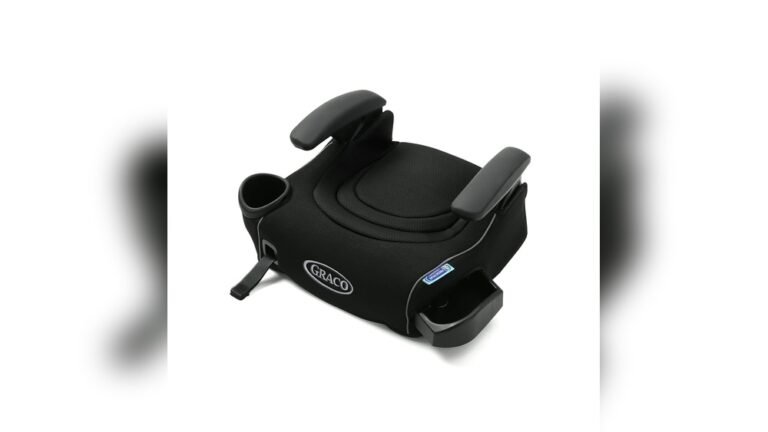
Backless booster seats are lighter and easier to move between cars. They work well if your vehicle has a strong headrest and your child can sit still without leaning. These seats are great for older kids who need a seat height boost. Always make sure the seat belt fits low on the hips and across the shoulder.
Child Size And Age
Booster seats must fit your child’s height and weight limits. Each seat has a maximum weight and height it can safely hold. Choose one that matches your child’s size to keep them safe.
Age recommendations help guide the right booster seat choice. Most children start using booster seats at about 4 years old but this can vary. Follow the booster seat’s rules for age, weight, and height limits.
| Booster Seat Type | Height Limit | Weight Limit | Age Range |
|---|---|---|---|
| High-Back Booster | Up to 57 inches | 30 to 100 lbs | 4 to 8 years |
| Backless Booster | Up to 57 inches | 40 to 100 lbs | 5 to 12 years |
Check your child’s size often. Kids grow quickly. The booster seat must fit snugly. The seat belt should lie across the child’s shoulder and hips, not the neck or stomach.
Vehicle Compatibility
The headrest in your vehicle plays a key role in booster seat choice. A high-back booster is best if the car has no headrest or if your child’s ears are above the seat. This booster gives important head and neck support and helps position the seat belt correctly. Backless boosters work well only if the vehicle has a strong headrest. Your child must sit still and upright for safety with a backless booster.
The seat belt must fit your child properly. The shoulder belt should lie across the chest and shoulder, not the neck or face. The lap belt should sit low on the hips, not the stomach. Check your car’s manual and the booster seat instructions for exact height and weight limits. Proper fit helps keep your child safe during every ride.

Credit: www.babycubby.com
Safety Features
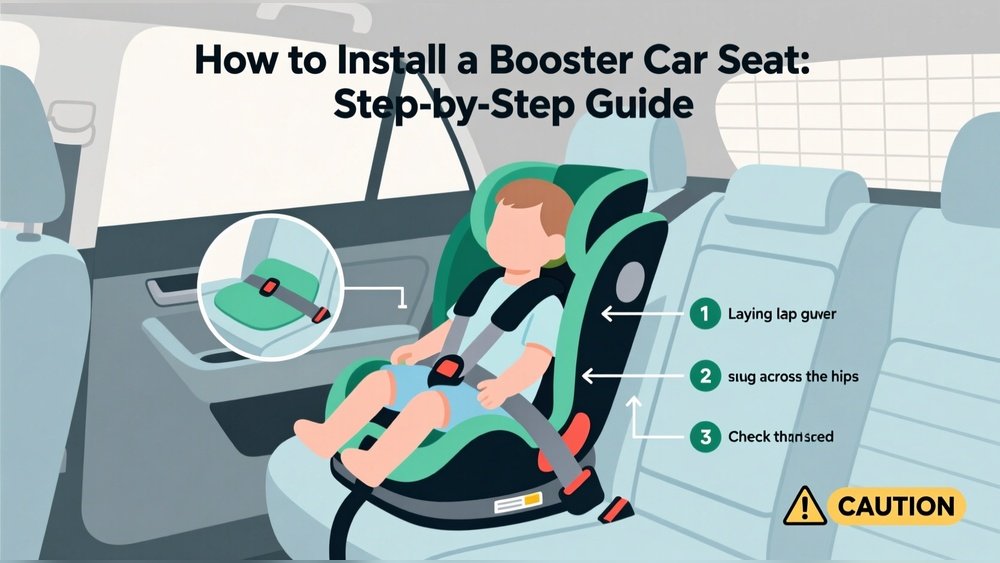
Belt positioning guides are key safety features in booster seats. They ensure the seat belt fits correctly across the child’s body. The shoulder belt should lie across the chest, not the neck. The lap belt must rest low on the hips, not the stomach. This proper fit helps protect children in a crash.
Head and neck support is vital, especially for younger children. Booster seats with high backs provide extra support to protect the head and neck. This reduces injury risk in sudden stops or collisions. Backless boosters lack this support and are best for older kids who sit well.
| Feature | High-Back Booster | Backless Booster |
|---|---|---|
| Belt Positioning | Guides shoulder and lap belts properly | Requires vehicle headrest for proper fit |
| Head & Neck Support | Provides strong support and protection | No built-in support; relies on vehicle seat |
| Best For | Younger children or cars without headrests | Older children who sit upright well |
Comfort And Convenience
Portability matters for easy moving and storage. Lightweight booster seats are best for families who switch cars often. Smaller and compact seats fit well in tight spaces and make traveling simpler.
Adjustability helps the seat grow with your child. Look for seats with adjustable headrests and armrests. These features improve comfort and ensure the seat belt fits correctly as your child gets taller.
| Feature | Benefit |
|---|---|
| Lightweight | Easy to carry and move between cars |
| Compact Size | Fits well in small vehicles and crowded back seats |
| Adjustable Headrest | Supports growing child’s head and neck |
| Adjustable Armrests | Provides better comfort and proper seat belt positioning |
Installation Tips
Booster seats must fit properly in different cars for safety. Some cars have flat seats, others have bucket seats. This affects how the booster sits. Make sure the booster seat does not move side to side. It should sit firmly on the car seat.
Seat belt alignment is very important. The belt should lie across the child’s shoulder and not the neck. The lap belt should be low on the hips, not the stomach. Adjust the booster or car seat to keep the belt in the right place.
If the seat belt does not fit right, try a different booster seat style. Some boosters have belt guides to help position the belt correctly. Check your car manual for booster seat instructions. Always test the fit before driving.
Common Mistakes To Avoid
Incorrect belt placement is a common mistake with booster seats. The seat belt must lie flat across the child’s chest and rest low on the hips. A belt too high can hurt the neck or face during a crash. A belt too low can cause injuries to the stomach area.
Another frequent error is the premature transition from a harness seat to a booster. Moving a child too soon can reduce safety. Children should meet the height and weight limits for their harness seat before switching.
Waiting until the child can sit still and correctly is important. Booster seats rely on the child to stay in the right position for protection. Rushing this step may increase risk during a crash.

Credit: www.consumerreports.org
Maintenance And Longevity
Cleaning a booster seat regularly keeps it safe and fresh. Use a mild soap and warm water for most covers. Avoid harsh chemicals that can damage the fabric or plastic parts. Check the manufacturer’s label for washing instructions, as some covers are machine washable. Wipe the plastic shell with a damp cloth to remove dirt and spills.
Replace a booster seat after a crash, even if no damage is visible. Most seats have an expiration date, usually six to ten years from the manufacture date. Using a seat past this date can be unsafe due to worn materials. Also, replace the booster if it shows cracks, broken parts, or if the belt guides are damaged.
Frequently Asked Questions
Should My 7 Year Old Be In A Backless Booster Seat?
A 7-year-old can use a backless booster if the car has a proper headrest and the seat belt fits correctly.
How Do I Choose The Right Booster Seat?
Choose a booster seat based on your child’s height, weight, and vehicle headrest. Use high-back boosters for extra support if headrests are low. Select backless boosters only if your vehicle’s headrest properly supports your child. Always ensure the seat belt fits securely across shoulder and hips.
What Age Should I Switch My Child To A Booster Seat?
Switch your child to a booster seat once they outgrow their forward-facing car seat by height or weight. Typically, this occurs around ages 4 to 8. Ensure the booster fits your child and vehicle correctly, with the seat belt positioned properly across the shoulder and hips for safety.
Can A 40 Pound 4 Year Old Sit In A Booster Seat?
A 40-pound, 4-year-old can use a booster seat if they meet height and maturity requirements. Choose high-back boosters for better support. Ensure the vehicle’s seat belt fits properly across the shoulder and hips. Always follow the booster seat manufacturer’s weight and height guidelines.
Conclusion
Choosing the right booster seat keeps your child safe and comfortable. Match the seat to your child’s height, weight, and vehicle type. High-back boosters offer extra support for younger kids or cars without headrests. Backless boosters suit older children in cars with strong headrests.
Always follow manufacturer rules and vehicle instructions. Proper belt fit is essential—lap belt low on hips, shoulder belt across the chest. Safety matters most. Take time to pick the best booster seat for your child’s needs. This simple step helps ensure safe travels every trip.

I’m Melissa Turner, a mom of two passionate about helping parents make confident buying decisions. I research and review baby gear, compare trusted products, and share practical parenting tips based on careful research. My goal is to simplify shopping with honest, easy-to-understand guides that put safety, comfort, and value first. I focus on baby carriers, strollers, feeding essentials, nursery products, and everyday parenting gear. I hope my recommendations help make your parenting journey a little easier and more enjoyable.