User Tips for Using Booster Seat | Ensure Safety with Confidence
Are you confident your child is as safe as possible during every car ride? Using a booster seat correctly can make all the difference in protecting your little one.
But getting it right isn’t always simple—there are important details about seat types, proper belt positioning, and your child’s readiness you need to know. You’ll discover expert tips that help you choose the best booster seat, ensure the seatbelt fits perfectly, and keep your child secure and comfortable every time you hit the road.
Keep reading to learn how small changes can create a big impact on your child’s safety.
When To Switch To Booster
Weight and height are key to know when to switch to a booster seat. Children usually move to a booster when they weigh between 40 and 80 pounds and are about 4 feet 9 inches tall. The booster helps the seat belt fit better on their smaller bodies.
The seat belt fit is very important. The lap belt should lie snugly across the upper thighs, not the stomach. The shoulder belt must lie across the shoulder and chest, not the neck or face. A proper fit keeps children safe during car rides.
Children must have the maturity to sit still and keep the belt in the right place. They should not slouch or play with the belt. This helps the booster seat work properly and keeps them safe.

Credit: bababing.com
Choosing Booster Types
High-back boosters offer better head and neck support. They help children sit up straight and keep the seatbelt in the correct position. This is important for safety during a crash. High-back boosters are great for cars without good headrests.
Backless boosters are smaller and easier to move between cars. They work well if the child can sit still and the seatbelt fits properly. The lap belt should lie low on the hips, and the shoulder belt should cross the chest, not the neck.
| Feature | High-Back Booster | Backless Booster |
|---|---|---|
| Seatbelt Fit | Helps position the belt correctly | Needs child to sit correctly for proper fit |
| Support | Provides side-impact protection | No extra side support |
| Use | Best for smaller kids or cars without headrests | Good for older kids who fit seatbelt well |
Proper Booster Seat Fit
The lap belt should rest low on the child’s upper thighs, not the stomach. This positioning helps protect the abdomen in a crash. The belt must fit snugly without twisting or slack.
The shoulder belt needs to cross the middle of the shoulder and chest. It should never touch the neck or face. Proper placement keeps the child safe and comfortable during travel.
Common mistakes include placing the lap belt too high or letting the shoulder belt slide off the shoulder. Avoid allowing your child to slouch or lean forward, as this affects belt fit. Always double-check the belt fit before driving.
Booster Seat Installation Tips
Check if your vehicle seat fits the booster seat well. Some seats have built-in anchors for easier installation. Make sure the booster does not move more than 1 inch side to side or front to back. A tight fit keeps your child safe.
Secure the booster by using either the vehicle seat belt or the LATCH system. The seat belt should be threaded through the booster’s belt path. Always pull the belt tight to avoid slack.
Seat belt guides help place the belt correctly on your child’s body. The lap belt must rest low on the hips, not the stomach. The shoulder belt should cross the chest, not the neck or face. Use guides to keep the belt in place during the ride.
Encouraging Correct Sitting Habits
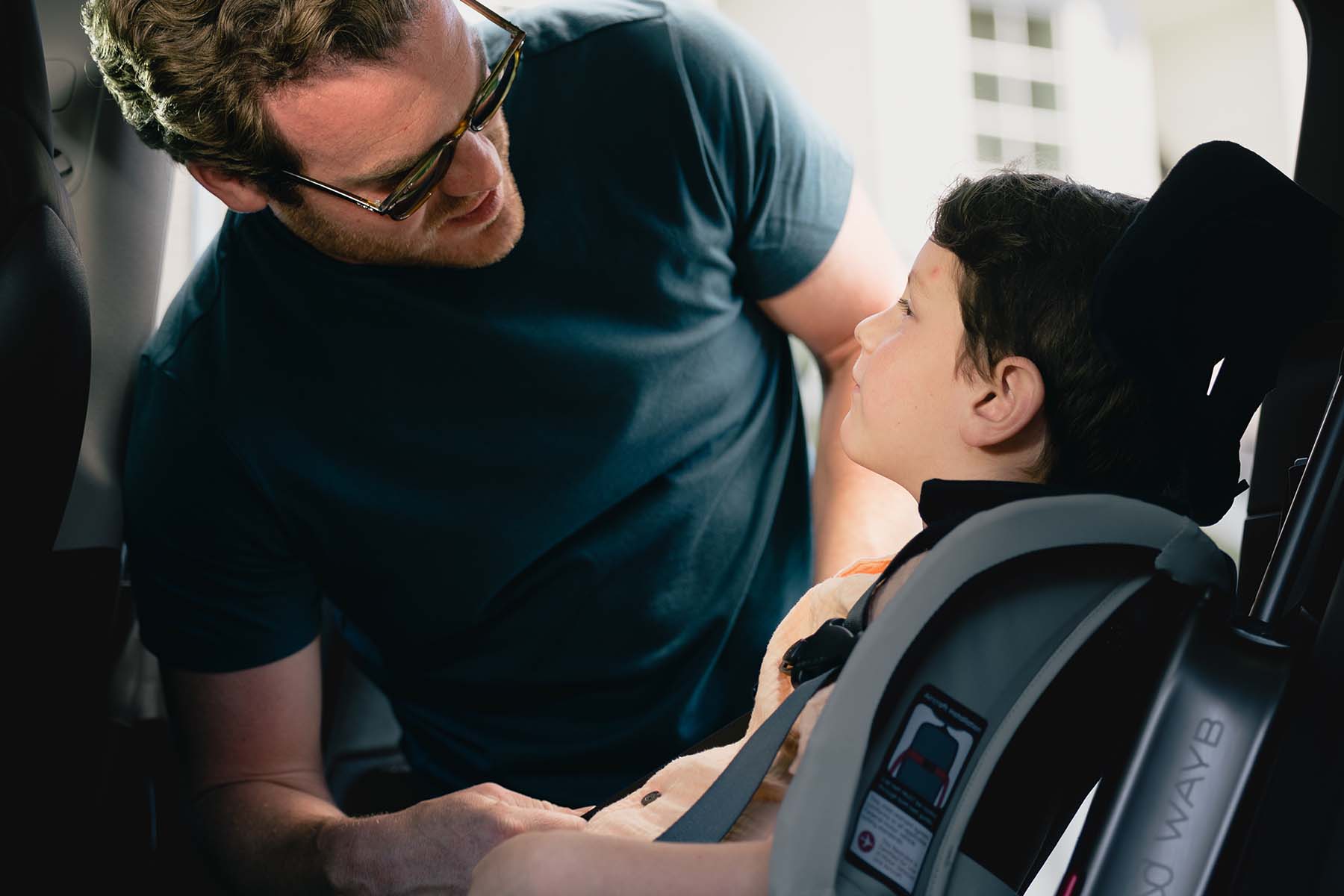
Preventing slouching is key to keeping children safe and comfortable. Booster seats with a backrest help kids sit upright, reducing the risk of slumping. Slouching can cause the seat belt to sit incorrectly, which lowers protection during a crash.
Keeping the seat belt in place ensures proper fit. The lap belt should rest on the upper thighs, not the stomach. The shoulder belt must cross the chest and shoulder, never the neck or face. This fit keeps the child secure.
Boosting a child’s confidence helps encourage correct sitting habits. Praise children for sitting properly and using their booster seat right. A confident child is more likely to stay seated correctly throughout the ride.
Credit: wayb.com
When To Transition Out
Proper seat belt fit means the lap belt lies low on the hips, not the stomach. The shoulder belt must cross the middle of the shoulder and chest, never the neck or face. This fit helps keep children safe in crashes.
Signs to stop using a booster include the child being able to sit with the seat belt fitting well without extra support. Also, when the booster’s headrest is fully extended or the belt guide no longer fits properly, it is time to transition.
Ensuring continued safety means checking that children sit upright and still during rides. They must keep the belt in the right place and not slouch or play with the belt. Proper fit and good posture together reduce injury risks.
Common Booster Seat Myths
Many believe a backless booster is less safe than a high-back one. Actually, backless boosters work well if the seatbelt fits properly and the child sits still. High-back boosters help with better positioning and offer extra side-impact protection. They also support the head and neck, especially in cars with poor headrests.
Some think children must switch seats by a certain age, but weight and height matter more. Kids should use a booster until the seatbelt fits snugly across the upper thighs and shoulder. The belt must never rest on the stomach or neck.
Safety worries about booster seats often come from misunderstandings. Using the seat correctly, with the child sitting upright and seatbelt placed right, keeps them safe. Booster seats are designed to protect children and reduce injury risk during crashes.
Credit: www.floridasudz.com
Frequently Asked Questions
What Is The Best Practice For A Booster Seat?
Use a booster seat until the seat belt fits properly: lap belt snug on thighs, shoulder belt across chest. Ensure your child sits upright and stays still during rides. Choose a high-back booster for better support and safety if needed.
At What Weight Should A Child Switch To A Booster Seat?
A child should switch to a booster seat once they weigh at least 40 pounds. Ensure the seat belt fits properly.
Should My 7 Year Old Be In A Backless Booster Seat?
A 7-year-old can use a backless booster if the seat belt fits properly and they sit still. Ensure the lap belt lies across upper thighs, not stomach, and the shoulder belt crosses the shoulder, not the neck. Choose a high-back booster if extra support or head protection is needed.
How To Correctly Use A Booster Seat?
Place the booster seat firmly on the vehicle seat. Ensure the lap belt lies snugly on the upper thighs, not the stomach. Position the shoulder belt across the chest, avoiding the neck or face. Teach your child to sit upright and still during the ride.
Always follow manufacturer instructions.
Conclusion
Using a booster seat correctly keeps your child safe on every trip. Always check that the seat belt fits well across their thighs and shoulder. Choose the right booster type based on your child’s size and behavior. Make sure your child sits still and upright during the ride.
Regularly inspect the booster for wear and proper adjustment. Staying attentive to these tips helps protect your child and ensures comfort. Safety is simple when you follow expert booster seat advice. Keep your child secure for peace of mind on the road.

I’m Melissa Turner, a mom of two passionate about helping parents make confident buying decisions. I research and review baby gear, compare trusted products, and share practical parenting tips based on careful research. My goal is to simplify shopping with honest, easy-to-understand guides that put safety, comfort, and value first. I focus on baby carriers, strollers, feeding essentials, nursery products, and everyday parenting gear. I hope my recommendations help make your parenting journey a little easier and more enjoyable.