Booster Seat Care Tips to Improve Safety and Durability
If you’re using a booster seat, you already know how important it is for your child’s safety. But do you know how to keep that booster seat in top shape?
Proper maintenance isn’t just about cleanliness—it ensures your child stays protected every time they buckle up. In this Booster Seat Maintenance Guide, you’ll discover simple steps to clean, inspect, and care for your booster seat. By following these tips, you can avoid costly replacements and keep your child safe on every ride.
Ready to learn how to make your booster seat last longer and work better? Let’s dive in!
Booster Seat Cleaning
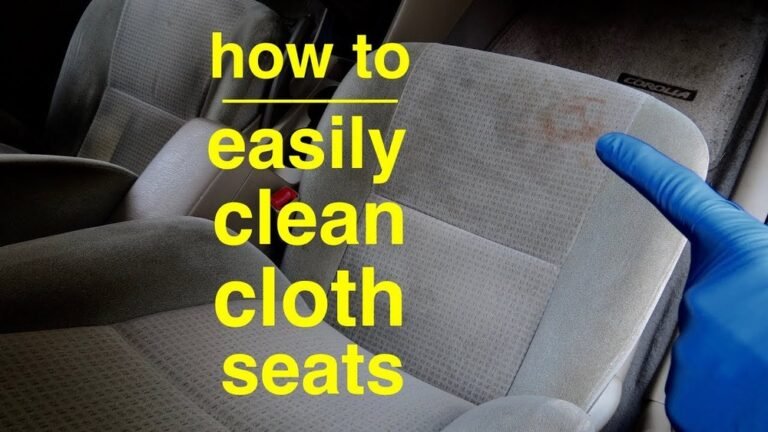
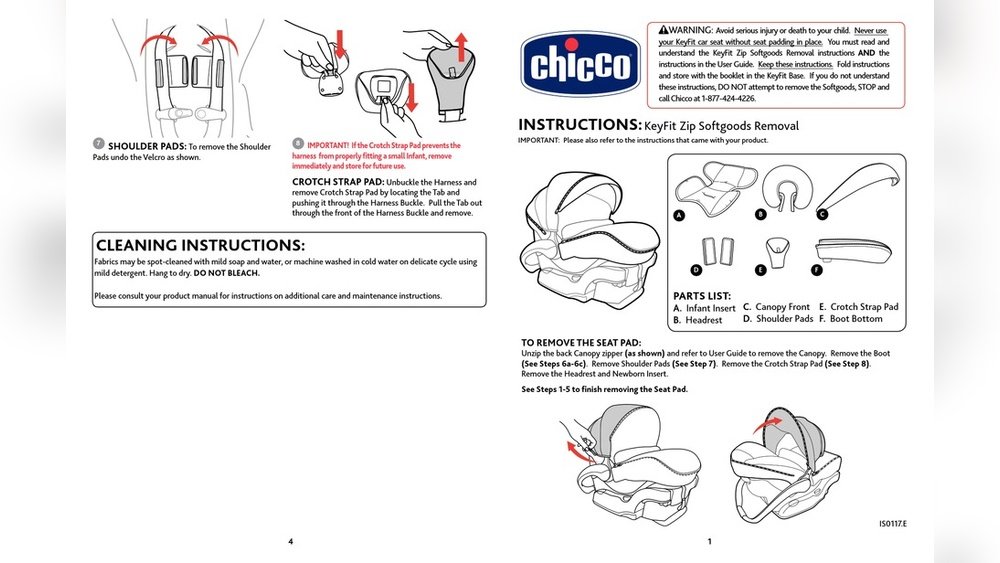
Use a soft cloth or baby wipes for a daily wipe down. Focus on areas your child touches often. This keeps dirt and germs away.
Choose mild, non-toxic cleaning products. Avoid bleach or harsh chemicals that can damage fabric or plastic parts. Soap and water usually work well.
For tough stains, use a small amount of dish soap with warm water. Gently scrub with a soft brush. To remove odors, sprinkle baking soda and let it sit before vacuuming.
Avoid soaking the booster seat or using strong chemicals. Never put the booster seat in a washing machine or dryer. This can harm the seat’s safety features.

Credit: www.chiccousa.com
Strap And Harness Care
Check the straps and harness often for signs of wear and tear. Look for fraying, cuts, or loose stitching. These can weaken safety and should be fixed or replaced quickly.
Use a soft cloth or sponge with mild soap and water to clean straps. Avoid soaking straps, as this can weaken them. Let straps air dry completely before use.
Never use bleach, ammonia, or harsh chemicals. These can damage the material and reduce the strap’s strength. Stick to gentle cleaners to keep straps safe and durable.
Booster Seat Inspection
Check seat stability by pressing and shaking the booster. It should not move more than an inch side to side. Make sure the seat fits tightly on the car seat and does not slip easily.
Inspect the belt guides to ensure they are clean and not broken. Belt guides keep the seatbelt in the right place for safety. If they are cracked or bent, the booster seat might not work properly.
Look carefully for any cracks or damage on the plastic or fabric parts of the booster seat. Cracks can weaken the seat and make it unsafe. Check the straps and buckles for any signs of wear or tear.
Booster Seat Lifespan
Booster seats usually last about 8 to 10 years from the date of manufacture. The exact lifespan depends on the booster type and brand. Always check the label for expiration details.
Replace the booster seat if you see cracks, broken parts, or frayed straps. Faded or missing labels also mean it’s time to get a new one. Any damage can reduce its safety.
After a car accident, replace the booster seat even if there’s no visible damage. The internal structure may be weakened and less safe for your child.
Proper Seatbelt Fit
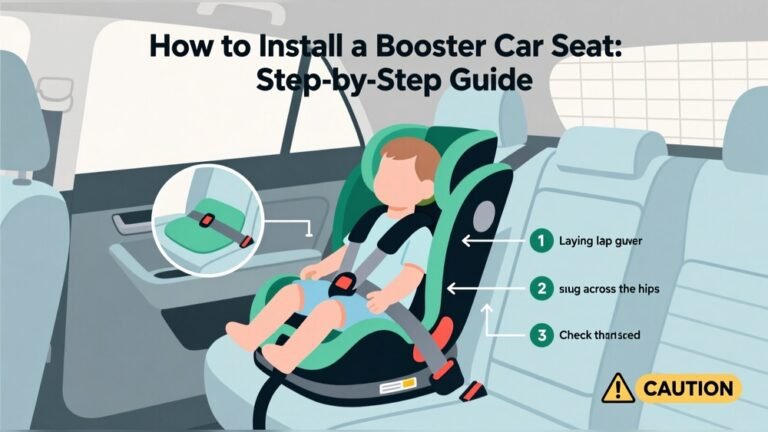
The lap belt must lie low across the hips or upper thighs. It should never rest on the stomach. This ensures better safety and comfort.
The shoulder belt should cross the chest and collarbone. Avoid placing it on the neck or under the arm. Proper positioning prevents injury during a crash.
- Do not let the lap belt ride up on the belly.
- Avoid twisting or slack in the shoulder belt.
- Never tuck the shoulder belt behind the back or under the arm.
- Make sure the booster seat is flat and stable before buckling.
These simple steps help keep your child safe and ensure the booster seat works correctly.
Booster Seat Safety Tips
Always use both lap and shoulder belts with the booster seat. The lap belt should fit low on the hips. The shoulder belt must cross the chest, not the neck or face. This helps keep your child safe during a crash.
Check that the booster seat is installed correctly. It should not move more than one inch side to side or front to back. Use the car’s seat belt or LATCH system to secure it tightly. A loose booster seat can be dangerous.
Keep track of your child’s growth and fit. The booster seat is for children who have outgrown their car seat but are not yet big enough for the regular seat belt. When the child’s knees bend comfortably over the edge of the seat, and the belt fits properly, it’s time to move on.
Legal Requirements
Age and height rules for booster seats vary by state. Most states require children to use booster seats until they reach 8 years old or about 4 feet 9 inches tall. Some states also have weight limits that must be met before switching to a regular seatbelt.
State-specific laws differ. Some states may require booster seats until age 10 or until the child fits the seatbelt properly. Always check the local rules to keep children safe and legal.
Penalties for non-compliance can include fines and sometimes points on the driver’s license. Police may stop drivers if children are not properly restrained. Following booster seat laws helps avoid these penalties and protects children during travel.
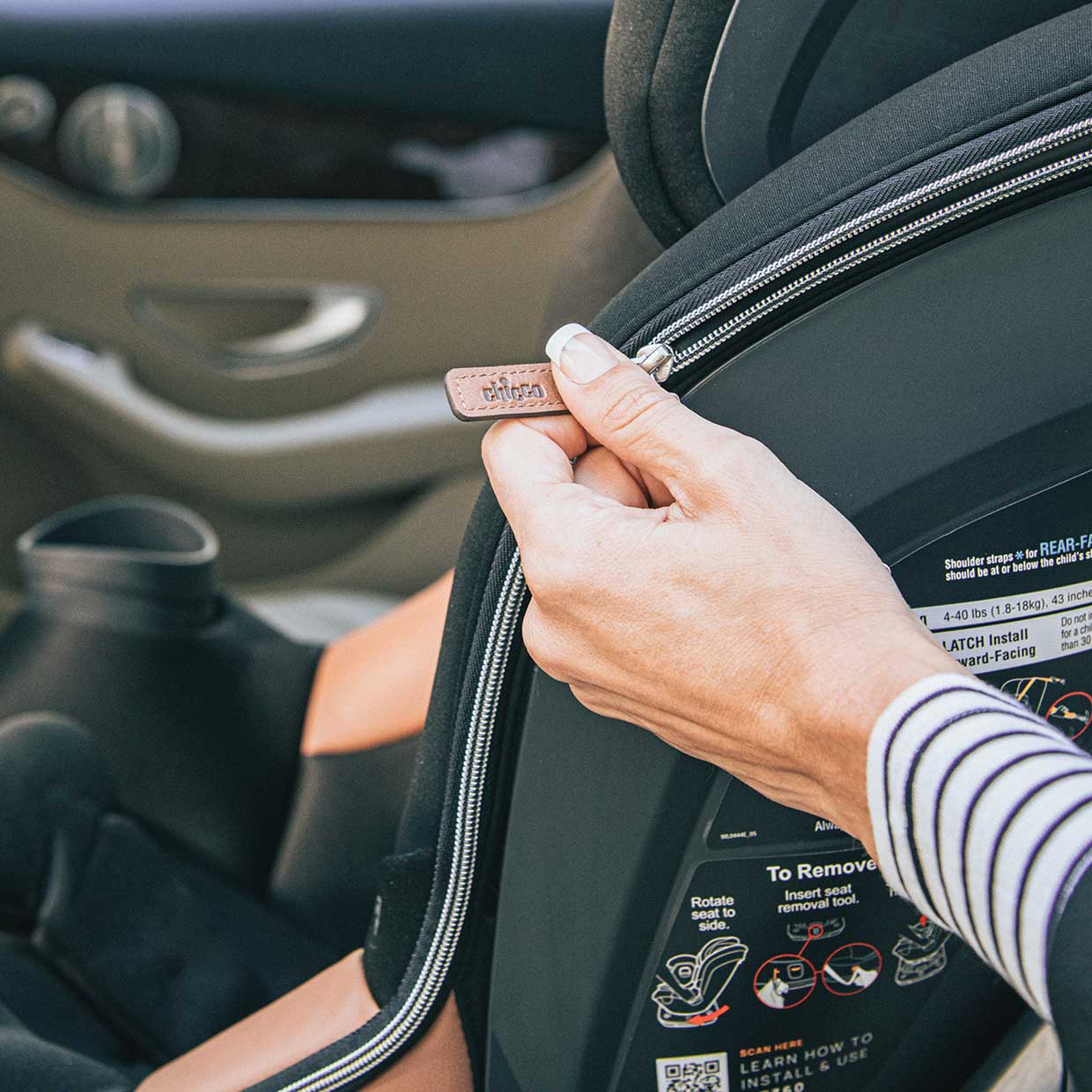
Credit: www.chiccousa.com
Avoiding Common Mistakes
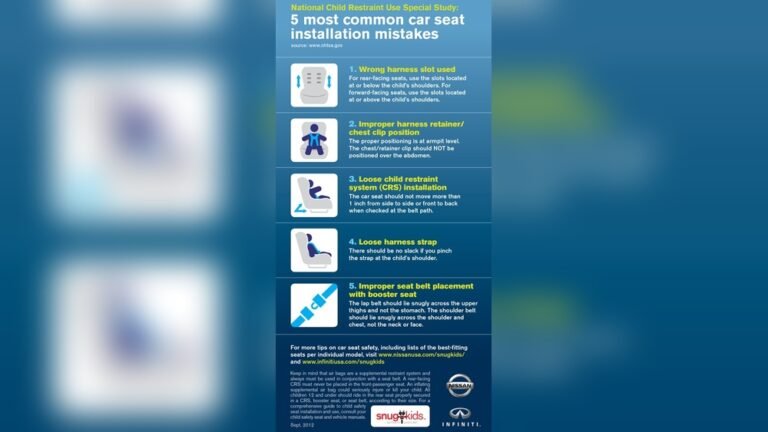
Transitioning too early can reduce safety. Booster seats are for children who meet height and weight limits. Using a regular seatbelt too soon may cause injury. Always check the child’s size before moving on.
Incorrect seat usage is a common problem. Make sure the booster seat is installed tightly. The seatbelt should fit properly over the child’s lap and shoulder. Loose belts or wrong placement reduce protection.
Ignoring manufacturer guidelines leads to mistakes. Each booster seat has clear rules about age, weight, and installation. Follow these instructions carefully. Using the seat beyond its limits can be dangerous.

Credit: www.gracobaby.com
Frequently Asked Questions
What Is The Lifespan Of A Booster Seat?
Booster seats typically last 8 to 10 years from the manufacture date. Check the label for exact expiration. Replace after crashes or visible damage.
What Is The Ga Law For Booster Seats?
Georgia law requires children under 8 years or shorter than 4’9″ to use a booster seat with both lap and shoulder belts. Violations may lead to fines and license points.
How To Clean A Booster Seat?
Wipe the booster seat with a damp cloth and mild detergent. Avoid soaking or harsh cleaners. Air dry thoroughly before use.
Can I Hose Down My Kids Car Seat?
Do not hose down your kid’s car seat. Clean only with a damp cloth and mild detergent. Avoid soaking or harsh chemicals.
Conclusion
Regular booster seat care keeps your child safe and comfortable. Clean spills quickly with mild soap and water. Check straps and buckles often for wear or damage. Replace seats after their expiration date to ensure safety. Follow manufacturer instructions for proper cleaning and maintenance.
Well-maintained seats fit better and protect your child on every trip. Small efforts make a big difference in booster seat safety. Stay attentive to your booster seat’s condition for peace of mind.