Step by Step Guide to Using Booster Seat | Ensure Child Safety Easily
Are you ready to make sure your child stays safe and comfortable during every car ride? Using a booster seat correctly is one of the simplest yet most important ways to protect your little one on the road.
But if you’re unsure about when to switch to a booster seat or how to use it properly, don’t worry. This step-by-step guide will walk you through everything you need to know—from choosing the right booster seat to securing your child perfectly every time.
Keep reading to discover the easy steps that can give you peace of mind and keep your child safe on every trip.
Credit: carinterior.alibaba.com
Choosing The Right Booster Seat
High-back booster seats offer head and neck support. They are good for cars without headrests or with low seat backs. Backless boosters are smaller and easier to carry. They work well if your car has good seat backs and headrests.
Check your child’s weight and height limits on the booster seat label. The seat must fit your child well to keep them safe. Never use a booster seat if your child is below the minimum weight or height.
| Booster Type | Best for | Seat Belt Use |
|---|---|---|
| High-Back | Cars without headrests or low backs | Helps position the seat belt correctly on shoulder and lap |
| Backless | Cars with good seat backs and headrests | Requires proper seat belt fit on shoulder and lap |
Make sure the booster seat works with your car’s seat belt system. The lap belt should fit low on the hips, not the stomach. The shoulder belt must cross the chest and shoulder, not the neck or face.
When To Switch To A Booster Seat
Children should switch to a booster seat after they have outgrown their forward-facing car seats. This usually happens when they reach the height or weight limit set by the car seat manufacturer. These limits are important for safety and must be checked.
Age and maturity also matter. Most kids move to booster seats around 4 to 7 years old. They need to sit still and keep the seat belt properly positioned.
Legal rules vary by place. Some states or countries require children to use booster seats until they are a certain age, height, or weight. Always follow local laws to keep your child safe.
Preparing Your Child For The Booster Seat
Teach your child how the seat belt should fit. The lap belt must lie low on the hips, not on the stomach. The shoulder belt should cross the chest and rest snugly on the shoulder, away from the neck. Practice this with your child to ensure they understand the correct position.
Getting your child to cooperate can be easier with patience and praise. Explain why the booster seat and belt are important. Use simple words and make it fun by letting them choose a seat cover or a small reward after rides. Consistency helps build good habits.
| Safety Tips for Parents |
|---|
| Always check that the booster seat fits your child’s size and weight. |
| Make sure the seat belt is fastened correctly every time. |
| Never let your child lean forward or slouch while seated. |
| Keep your child seated in the booster seat until they are tall enough for the car’s seat belt to fit properly without it. |
Credit: www.cover-company.com
Step-by-step Booster Seat Installation
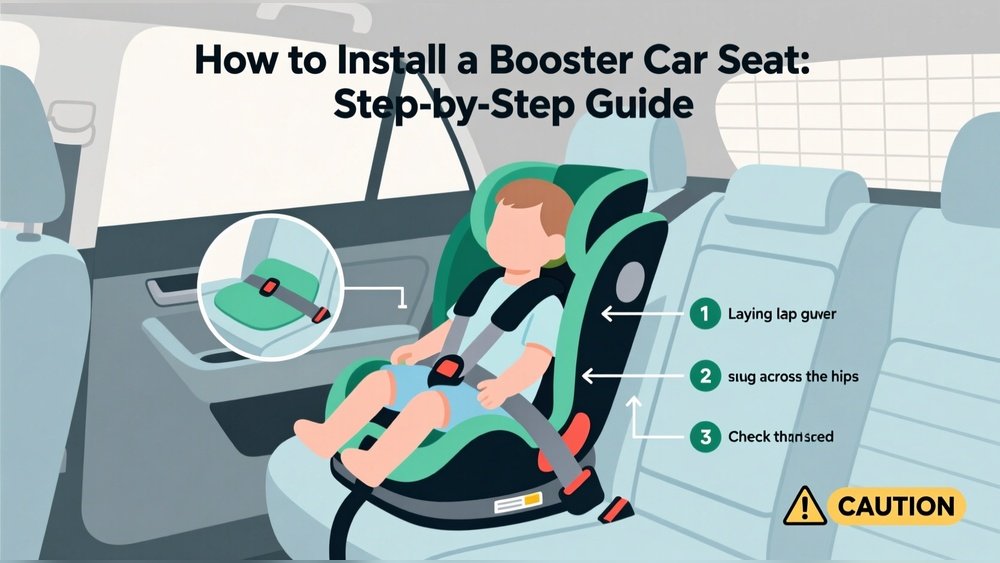
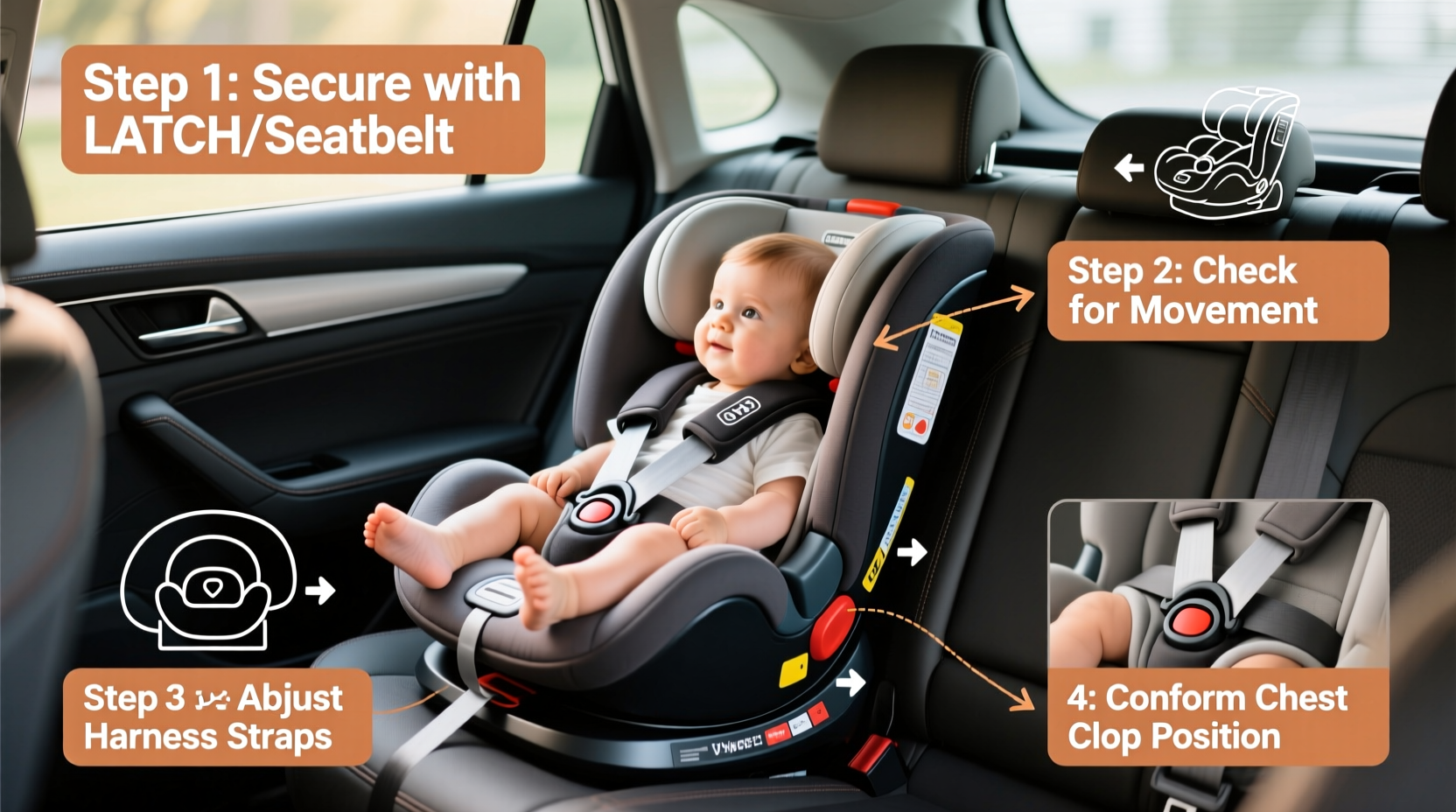
Place the booster seat firmly on the vehicle seat. Use the car’s seat belt to secure it tightly. Check if the booster does not move more than one inch side to side or front to back.
Have your child sit upright on the booster. Their back should touch the seat back. Feet flat on the floor or footrest. Make sure the child stays still during the ride.
Pull the seat belt across the child’s body carefully. The lap belt must lie low on the upper thighs, not the stomach. The shoulder belt should cross the chest and rest between the neck and shoulder, not on the face or neck.
Common Booster Seat Mistakes
Incorrect seat belt placement is a common error with booster seats. The lap belt should fit low on the child’s hips, not the stomach. The shoulder belt must cross the chest, not the neck or face. Wrong belt position can cause serious injury in a crash.
Using the booster seat beyond weight limits is unsafe. Each seat has a maximum weight. Exceeding this limit reduces protection and may break the seat. Always check the weight rules before use.
Ignoring manufacturer instructions leads to poor booster seat use. Instructions show how to install and adjust the seat properly. Not following them risks the child’s safety. Keep the manual handy for reference.
Credit: www.chiccousa.com
Maintaining Booster Seat Safety
Regularly check the booster seat for any cracks or loose parts. Wear and tear can make the seat unsafe. Look closely at the seat belt guides and straps for damage. Clean the seat as recommended to keep it in good shape.
Replace the booster seat if it was in a crash. Even small accidents can weaken its safety. Do not use a seat that has been damaged. Always buy a new seat after an accident.
Keep up with latest safety rules and recalls. Seat designs and laws may change. Follow the manufacturer’s instructions for use and care. Check for updates online or from safety groups.
Transitioning From Booster To Seat Belt
The Five-Step Readiness Test helps decide if a child is ready to stop using a booster seat. These steps check if the child can sit properly with the seat belt alone.
- Child sits all the way back against the car seat.
- Knees bend comfortably at the edge of the seat.
- The seat belt crosses the chest and shoulder, not the neck or face.
- The lap belt fits low on the hips, touching the thighs.
- Child can stay seated like this for the whole trip.
To ensure proper seat belt fit, the belt must lie flat and snug. The shoulder belt should not rest on the neck or face. The lap belt must sit low on the hips, not the stomach. This helps protect the child in a crash.
Make the final switch from booster to seat belt only after passing the readiness test and confirming the seat belt fits well. Children who do not fit properly in the seat belt should keep using a booster seat for safety.
Frequently Asked Questions
How To Correctly Use A Booster Seat?
Place the booster seat on the vehicle seat. Ensure the lap belt fits low on upper thighs, not the stomach. Position the shoulder belt across the chest, not the neck. Buckle securely and check the seat does not move more than one inch side-to-side.
Follow the manufacturer’s instructions.
At What Weight Should A Child Switch To A Booster Seat?
A child should switch to a booster seat after outgrowing the forward-facing seat’s weight limit, typically around 40 pounds.
At What Age Can A Child Switch To A Booster Seat?
Children can switch to a booster seat after outgrowing their forward-facing car seat, typically between ages 4 and 8. They must sit still and properly wear the seat belt. Always follow the car seat manufacturer’s height and weight limits before transitioning.
Should My 7 Year Old Be In A Backless Booster Seat?
A 7-year-old can use a backless booster seat if they weigh at least 40 pounds and sit properly. Ensure the seat belt fits correctly, with the lap belt across the upper thighs and the shoulder belt across the chest. Follow your booster seat’s height and weight limits.
Conclusion
Using a booster seat correctly keeps your child safe on every trip. Follow each step carefully for proper fit and comfort. Check the seat’s manual and your car’s instructions each time. Make sure the seat belt lies across the child’s upper thighs and shoulder.
Watch your child to ensure they sit still and wear the belt properly. Regularly inspect the booster seat for damage or wear. Safety matters most, so never rush the process. Keep your child secure, and enjoy peace of mind on the road.

I’m Melissa Turner, a mom of two passionate about helping parents make confident buying decisions. I research and review baby gear, compare trusted products, and share practical parenting tips based on careful research. My goal is to simplify shopping with honest, easy-to-understand guides that put safety, comfort, and value first. I focus on baby carriers, strollers, feeding essentials, nursery products, and everyday parenting gear. I hope my recommendations help make your parenting journey a little easier and more enjoyable.