How to Choose the Right Soft Structured Carrier as a New Parent
Choosing the right soft structured carrier can feel overwhelming with so many options out there. But finding the perfect fit for you and your baby makes all the difference in comfort and ease.
Imagine having a carrier that supports your little one securely, while keeping you comfortable during every outing. In this guide, you’ll discover exactly what to look for and how to pick a soft structured carrier that matches your lifestyle and your baby’s needs.
Keep reading to make your babywearing experience simple, safe, and enjoyable from day one.
Types Of Soft Structured Carriers
Soft structured carriers come in different types to suit your needs. Knowing these types helps you pick the best one for comfort and support. Each type offers unique benefits for both the baby and the wearer. Understanding these options makes babywearing easier and more enjoyable.
Front Carry Carriers
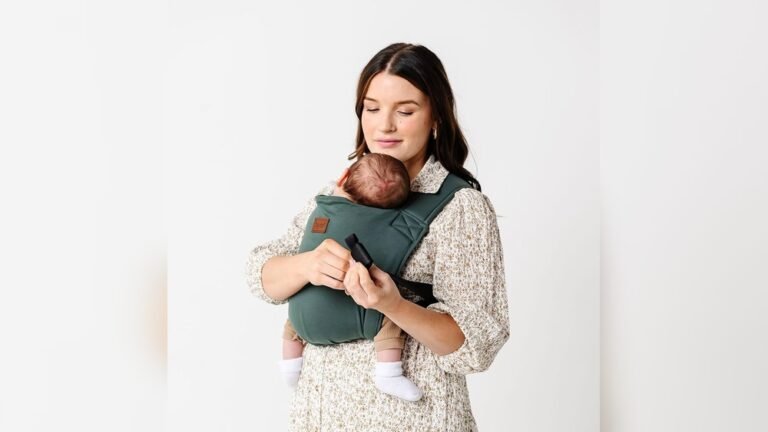
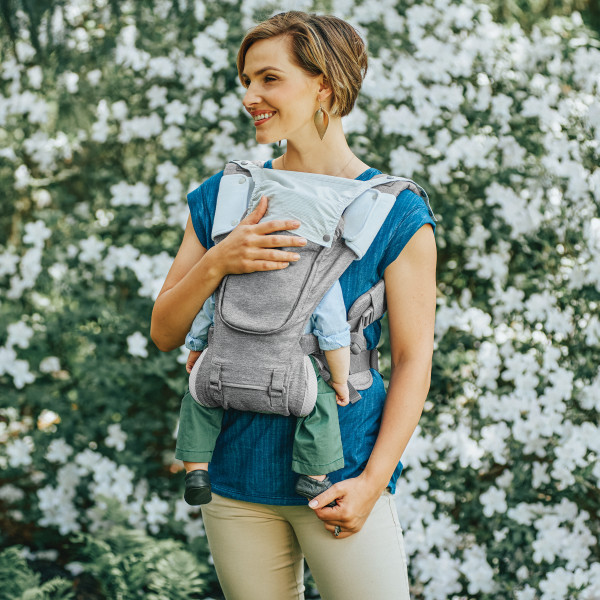
Front carry carriers hold the baby on your chest. This position allows you to keep your baby close and see their face easily. It is great for newborns and young infants. Many parents prefer front carry for bonding and breastfeeding. These carriers usually have padded straps and waistbands for comfort.
Back Carry Carriers
Back carry carriers place the baby on your back. This type is ideal for older babies who can sit up well. Back carry gives you more freedom to move and work. It helps reduce strain on your front body. This is a good choice for longer outings or active parents.
Hybrid Designs
Hybrid soft structured carriers combine front and back carrying options. They offer versatility as your baby grows. You can switch between front and back easily. Some hybrids also allow hip carrying for extra support. These carriers adapt to many situations and stages of babywearing.
Credit: www.chiccousa.com
Key Features To Consider
Choosing the right soft structured carrier means focusing on specific features. These features affect comfort, safety, and usability for both you and your baby. Knowing what to check helps you pick a carrier that fits well and lasts long.
Adjustability And Fit
The carrier should adjust easily to fit your body. Look for straps that can tighten or loosen smoothly. A good fit supports your back and shoulders. It also keeps your baby snug and secure. Adjustable carriers grow with your baby, saving money and hassle.
Weight Distribution
Weight distribution makes carrying easier and less tiring. Choose carriers with padded shoulder straps and waist belts. These parts share the baby’s weight evenly. This reduces strain on your shoulders and back. Proper weight distribution helps you carry your baby longer without pain.
Material And Breathability
Soft structured carriers must use breathable fabrics. Breathable materials keep you and your baby cool. Cotton and mesh are good choices. They prevent sweat and discomfort. Also, check if the material is easy to clean. Soft and durable fabrics improve comfort and hygiene.
Safety Buckles And Straps
Strong safety buckles and secure straps are a must. Check that buckles lock firmly and do not slip. Straps should be wide and sturdy to support weight. Look for carriers with double stitching for extra strength. Safe buckles and straps protect your baby during every use.
Age And Weight Compatibility
Choosing the right soft structured carrier depends greatly on your child’s age and weight. Each carrier has limits designed for safety and comfort. Matching these limits with your baby’s size ensures proper support. This guide explains how to find the best fit for every stage, from newborn to toddler.
Newborn Support Options
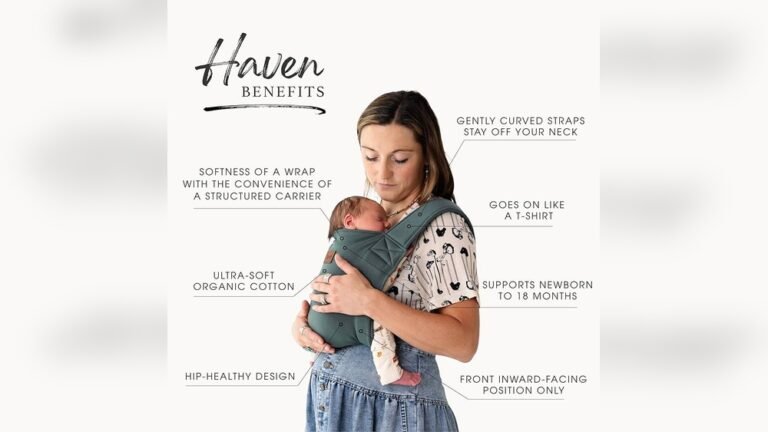
Newborns need extra head and neck support. Some carriers include built-in newborn support. Others require additional inserts to secure the baby. Look for carriers that keep your newborn in a natural position. Proper support helps prevent strain and promotes healthy hip development.
Infant Inserts
Infant inserts add cushioning and structure for smaller babies. They help position infants safely inside the carrier. Inserts are often removable as your baby grows. Check if the carrier you choose requires an insert. Using the right insert can extend the carrier’s usability for younger babies.
Toddler Suitability
Toddlers need carriers that handle increased weight and size. Choose carriers rated for higher weight limits. Wider straps and stronger buckles improve comfort for parents. Some carriers adjust to fit toddlers snugly. Always follow the manufacturer’s weight guidelines to keep your toddler safe.

Credit: bubzico.com
Comfort For Parent And Baby
Comfort matters most when choosing a soft structured carrier. Both parent and baby need support for long periods. A good carrier helps reduce strain and keeps baby cozy. Focus on features that protect your back and shoulders. Ensure baby’s hips and spine stay in a healthy position. Comfort creates a better experience for both of you.
Ergonomic Design Benefits
An ergonomic carrier supports natural body shapes. It spreads baby’s weight evenly across hips and shoulders. This prevents pain and discomfort for the parent. For baby, it ensures proper hip and spine alignment. Look for carriers that follow ergonomic safety standards. This helps avoid hip dysplasia and promotes healthy growth.
Padding And Support Areas
Good padding cushions pressure points on your shoulders and waist. Thick, soft padding prevents digging or pinching during wear. Supportive waistbands help distribute baby’s weight evenly. For baby, padded leg openings protect delicate skin. Proper padding adds comfort for long walks or daily chores.
Ease Of Use And Adjustments
Comfort also depends on how easy the carrier adjusts. Simple straps and buckles let you find the best fit quickly. Adjustable settings allow the carrier to grow with your baby. Easy to use carriers reduce frustration and save time. Proper fit means better support and less strain on your body.
Lifestyle And Usage Needs
Choosing the right soft structured carrier depends a lot on your lifestyle and how you plan to use it. Your daily routine and activities can guide you to a carrier that fits your needs. Different carriers offer various features to make your life easier. Understanding these details helps you pick the best option for you and your baby.
Daily Activities And Chores
Think about the tasks you do each day. A carrier that is easy to put on and take off saves time. Look for one that offers good support for long wear. If you move around a lot, choose a carrier with adjustable straps. This helps keep your baby secure and comfortable. Breathable fabric can keep both of you cool during busy days.
Travel And Outdoor Use
For travel, lightweight carriers are best. They are easy to pack and carry. Check if the carrier folds compactly for your bag. Outdoor carriers should have sturdy materials. Padded straps add comfort on long walks. Some carriers offer sun protection or rain covers. These features protect your baby in different weather conditions.
Seasonal Considerations
Weather changes affect your carrier choice. In hot climates, choose breathable and moisture-wicking fabrics. In colder months, a carrier that allows layering works well. Some carriers come with detachable covers for warmth. Look for carriers that dry quickly if you expect rain or snow. Seasonal features help keep your baby safe and comfortable all year.
Sharing And Versatility
Choosing a soft structured carrier with sharing and versatility in mind makes it practical and economical. A carrier that fits multiple wearers and adapts to different needs can be used longer and by more family members.
Versatile carriers also handle growth changes in your baby. This means you get more use without buying new carriers at every stage.
Multiple Wearers Compatibility
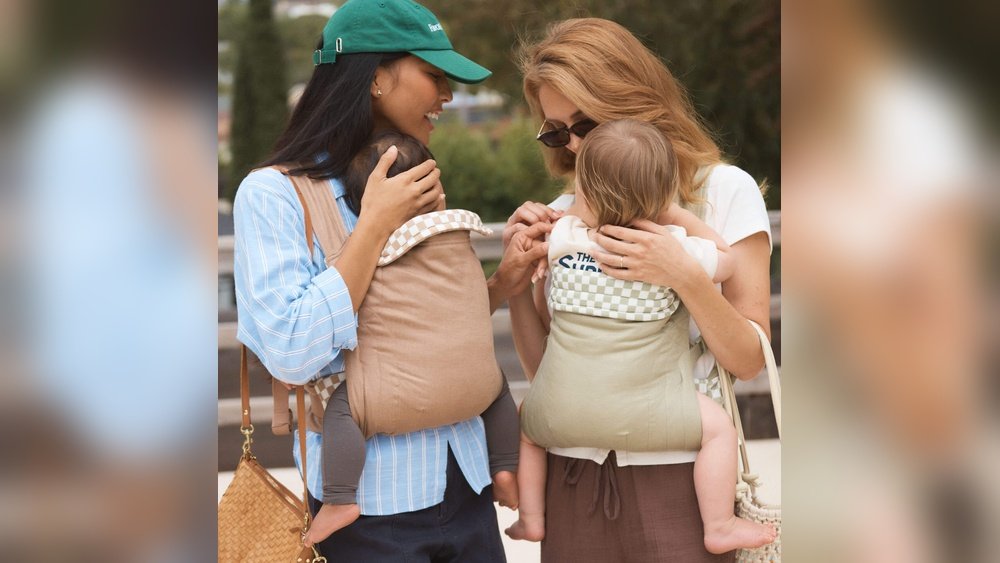
A good carrier fits different body types comfortably. Adjustable straps and belts help wearers of various sizes use it. This allows both mom and dad to share the carrier easily.
Some carriers offer extra padding and support for larger or smaller wearers. This feature reduces strain and increases comfort for everyone.
Unisex Designs
Unisex carriers suit all parents and caregivers. Neutral colors and simple styles work well for any gender. This broad appeal makes sharing the carrier easier.
Unisex designs avoid the need to buy multiple carriers. They blend well with different outfits and personal styles.
Growth Adaptability
Babies grow fast, and carriers must keep up. Look for carriers with adjustable seat widths and back heights. These features support infants and toddlers safely.
Some carriers include infant inserts or newborn modes. These options ensure proper support from day one until toddlerhood.
Growth adaptability saves money. It also means fewer carriers to store and maintain.
Budget And Brand Choices
Choosing the right soft structured carrier involves balancing your budget and brand preferences. Your budget sets limits on options but does not mean you must sacrifice quality. Certain brands offer durable carriers that last through many uses. Understanding brand reputation helps avoid common issues and ensures comfort for both you and your baby.
Top-rated Brands
Brands like Ergobaby, BabyBjörn, and Tula often receive high ratings. These companies focus on safety, comfort, and design. Many parents trust these names for their reliable products. Reading reviews can help identify which brand suits your needs best. Popular brands often provide multiple models to fit different budgets.
Price Vs Quality
Price does not always guarantee quality. Some affordable carriers perform well and meet safety standards. Expensive carriers may offer extra features like better padding or adjustable straps. Think about how often you will use the carrier. Choosing a carrier that feels comfortable and safe matters more than cost alone.
Warranty And Customer Support
A solid warranty shows brand confidence in their product. Check how long the warranty lasts and what it covers. Good customer support can help fix issues or answer questions quickly. Brands with responsive support reduce stress if problems arise. Consider warranty and support as part of your overall decision.
Safety And Certification
Safety is the top priority when choosing a soft structured carrier. A safe carrier protects your baby and gives you peace of mind. Certifications and proper use ensure the carrier meets safety standards. Clean and maintain the carrier for continued safety and comfort.
Certifications To Look For
Check for safety certifications before buying a carrier. Look for standards like ASTM, CPSIA, or EN 13209. These labels mean the carrier passed strict safety tests. Certified carriers have no harmful chemicals and strong materials. Avoid carriers without clear safety certification marks.
Proper Usage Guidelines
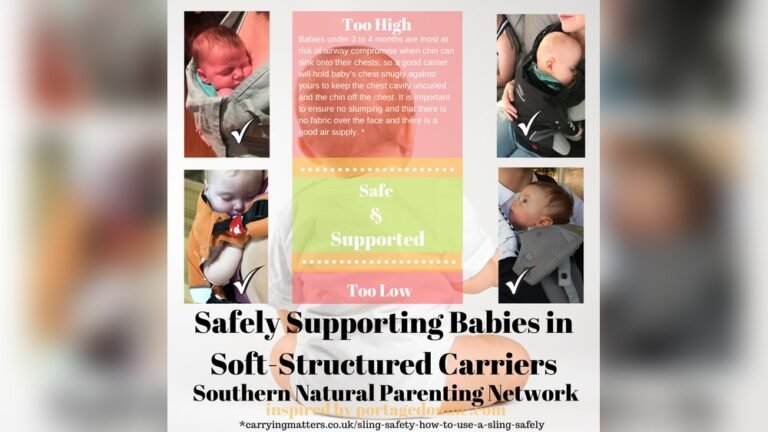
Follow the manufacturer’s instructions carefully. Ensure your baby is positioned correctly to support their hips and spine. Secure all straps and buckles tightly but comfortably. Never use the carrier if straps or buckles are damaged. Avoid using the carrier for longer than recommended times.
Maintenance And Cleaning
Regular cleaning keeps the carrier safe and hygienic. Use mild detergent and follow washing instructions on the label. Check for wear and tear after each wash. Replace the carrier if fabric or stitching weakens. Proper care extends the carrier’s life and keeps your baby safe.
Credit: www.babylist.com
Frequently Asked Questions
What Is A Soft Structured Carrier?
A soft structured carrier is a baby carrier with padded straps and buckles. It offers ergonomic support for both baby and wearer, distributing weight evenly for comfort.
How To Choose The Right Size Carrier?
Choose a carrier size based on your baby’s age and weight. Many carriers have adjustable features to fit newborns through toddlers comfortably.
Are Soft Structured Carriers Safe For Newborns?
Yes, but some models require an infant insert or built-in newborn support. Always check the manufacturer’s guidelines for newborn safety and positioning.
What Features Make A Carrier Ergonomic?
Look for wide padded shoulder straps, lumbar support, and adjustable buckles. These features reduce strain and promote healthy hip positioning for your baby.
Conclusion
Choosing the right soft structured carrier helps keep both you and your baby comfortable. Focus on fit, support, and ease of use. Consider your daily activities and your baby’s age. Try different styles before deciding what feels best. A good carrier makes bonding and moving around easier.
Take your time and pick one that suits your needs well. Your comfort and your baby’s safety matter most.