Avoid These Common Mistakes With Soft Structured Carrier in 2026
Are you using your soft structured carrier the right way? Many parents think they’re doing everything perfectly, but small mistakes can affect your baby’s safety and comfort—and your own too.
From straps that are too loose to improper positioning, these common errors can cause discomfort, poor posture, or even risk your little one’s well-being. Don’t worry, though. You’ll discover the most frequent mistakes people make with soft structured carriers and how to fix them easily.
Keep reading to make sure your babywearing experience is safe, cozy, and enjoyable for both you and your baby.

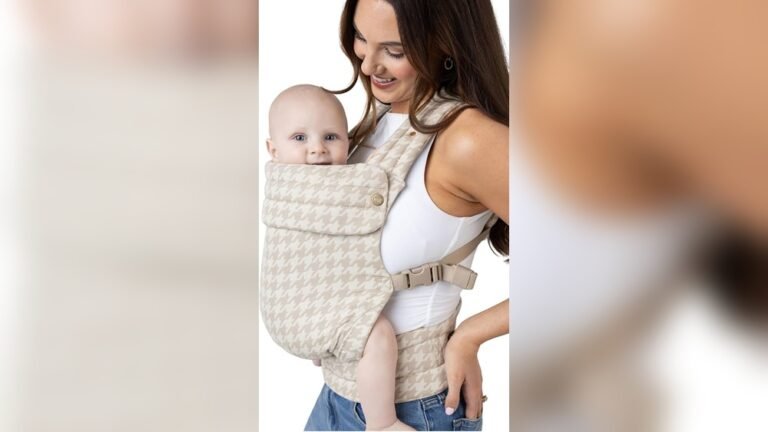
Credit: boba.com
Fit And Positioning Errors
Proper fit and positioning in a soft structured carrier ensure your baby stays safe and comfortable. Many parents make simple errors that affect how well the carrier supports the baby’s body. These mistakes can cause discomfort for both the baby and the wearer. Understanding common fit and positioning errors helps avoid problems and promotes healthy posture.
Carrier Too Low
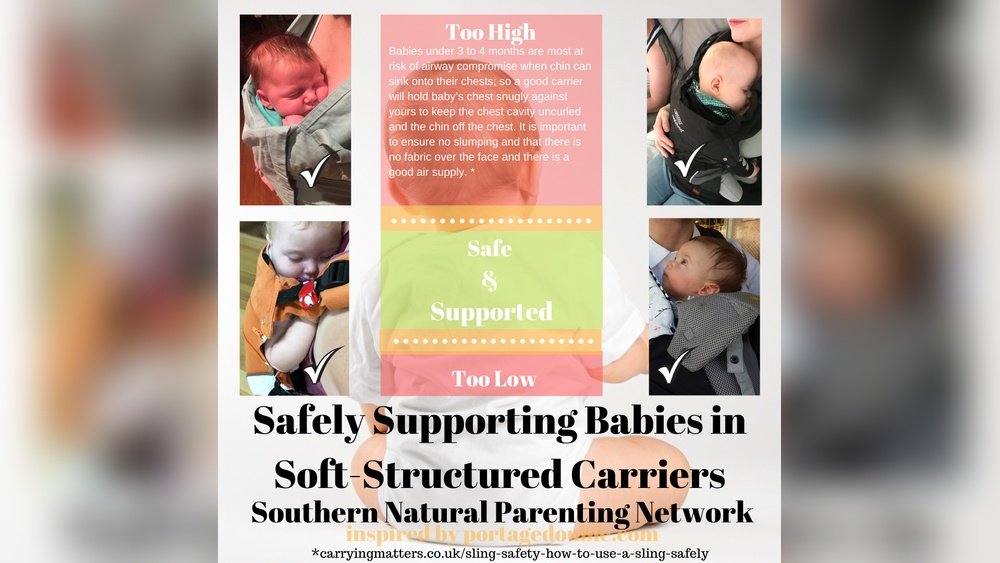
One frequent mistake is placing the baby too low in the carrier. When the baby sits too low, their chin may press against the chest. This can block the airway and reduce comfort. The baby should be close enough to kiss. This height keeps the head upright and the airway open.
Panel Height Issues
The carrier’s panel supports the baby’s back and head. If the panel is too high, it may cover the baby’s face, blocking air and sight. The panel should not go above the baby’s ear level. If too low, it offers poor support and can cause slouching. Correct panel height keeps the baby safe and secure.
Leg Position Mistakes
Proper leg position supports healthy hip development. Mistakes include letting legs dangle straight down or overextending them. Legs should be in an “M” shape with knees higher than the bottom. This position supports hips and prevents strain. Incorrect leg positioning may cause discomfort and hip issues over time.
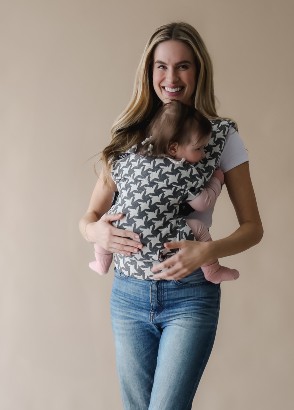
Credit: www.thesleepstore.co.nz
Strap And Buckle Mistakes
Straps and buckles are key parts of a soft structured carrier. Using them incorrectly can lead to discomfort and safety issues. Many parents face problems with straps and buckles that affect how well the carrier fits and supports their baby. Paying close attention to these details helps ensure a secure and comfortable carry.
Loose Fabric And Slumping
Loose fabric in the carrier causes the baby to slump down. This weakens support for the baby’s back and neck. Slumping may block the baby’s airway and cause discomfort. Tighten the fabric and straps to keep the baby in an upright, safe position. Avoid gaps that let the baby slide or lean.
Misusing Straps
Straps serve to hold the baby snugly and distribute weight evenly. Many users make the mistake of leaving straps too loose or too tight. Loose straps reduce support and increase strain on the wearer. Over-tightening can hurt the baby’s comfort and limit movement. Adjust straps carefully for a balanced fit that feels good for both wearer and baby.
Improper Buckle Securing
Buckles must be fastened properly to ensure safety. Failing to click them fully can cause the carrier to open unexpectedly. Loose or twisted buckles also reduce the carrier’s strength. Check each buckle before use and listen for a solid “click.” Make sure buckles lie flat and are free from damage or wear.
Support And Safety Concerns
Ensuring proper support and safety is vital when using a soft structured carrier. Many caregivers face challenges that can compromise a baby’s comfort and well-being. Incorrect positioning can lead to discomfort or even injury. Understanding common mistakes helps keep your little one safe and happy.
Lack Of Thigh Support
Thigh support is crucial for healthy hip development. If the carrier does not support the thighs fully, the baby’s legs may dangle. This puts pressure on the hips and spine. Babies need their thighs spread wide and supported from knee to knee. Proper thigh support prevents strain and promotes a natural seated position.
Overextended Legs
Legs that stretch out too far cause discomfort and joint stress. Overextended legs mean the carrier is too wide or improperly adjusted. This position can strain the baby’s hips and knees. The legs should bend naturally in an “M” shape, with knees higher than the bottom. Avoid forcing the legs straight or dangling.
Airway Obstruction Risks
Maintaining a clear airway is a top safety concern. If the baby’s chin presses against the chest, breathing can become difficult. This often happens when the baby slumps or sits too low in the carrier. Always keep the baby’s face visible and free from fabric. Support the neck and head well to prevent airway blockage.
Comfort And Ergonomics
Comfort and ergonomics are key to a pleasant babywearing experience. Both the baby and the parent need proper support. A soft structured carrier (SSC) should distribute weight evenly. It should also fit snugly without causing pain or strain. Many users make simple mistakes that reduce comfort and harm posture. Avoiding these errors ensures safety and happiness.
Uneven Weight Distribution
Uneven weight distribution causes discomfort for both baby and parent. If the carrier puts too much pressure on one shoulder, it can lead to pain. This strain may cause back and neck issues over time. Proper adjustment of shoulder straps and hip bands helps spread the weight evenly. Check the fit regularly and adjust as needed to keep balance.
Incorrect Hip Band Placement
The hip band supports most of the baby’s weight. Placing it too high or too low causes poor posture. A hip band sitting too high can pinch the stomach. Too low placement shifts weight to the back, causing strain. Position the band firmly around the hips or upper thighs. This placement gives better support and comfort for the parent and baby.
Ignoring Parent’s Comfort
Many focus only on the baby’s comfort, forgetting the parent’s needs. A tight carrier or wrong strap length causes discomfort quickly. Parents must feel secure and comfortable to wear the carrier for long periods. Adjust straps and bands carefully. Test different settings to find what works best. Comfortable parents are more likely to enjoy babywearing daily.
Common Newborn Carrier Mistakes
Using a soft structured carrier for your newborn can make outings easier and more comfortable. Many parents try their best but still make simple mistakes. These errors affect baby’s safety and comfort. Knowing common newborn carrier mistakes helps protect your little one.
Carrier Panel Covering Face
The carrier panel should never cover your baby’s face. Covering the face blocks air and can cause breathing problems. The panel must sit below the baby’s nose and mouth. Always check that your baby’s face is visible and clear of fabric.
Insufficient Head Support
Newborns have weak neck muscles and need strong head support. A carrier without proper head support can cause the baby’s head to flop backward or sideways. Make sure the carrier’s headrest holds your baby’s head gently but firmly. This support protects your baby’s neck and keeps them safe.
Fabric Going Beyond Knees
The carrier fabric should stop at the baby’s knees or slightly above. Fabric extending past the knees pushes on the calves and can cause discomfort. It also affects the baby’s natural seated position. Keep the fabric short enough to support legs in a healthy, ergonomic shape.
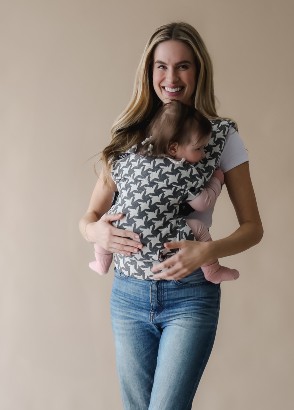
Credit: www.thesleepstore.co.nz
Adjustment Tips
Adjusting a soft structured carrier properly improves comfort and safety for both baby and wearer. Small tweaks make a big difference in fit and support. Follow these tips to avoid common adjustment errors.
Achieving Snug Fit
A snug fit keeps baby close without tightness. Tighten the shoulder straps evenly for balanced support. Pull the carrier body close to your chest, so baby stays secure. Avoid loose fabric that lets baby slump or shift.
Checking Shoulder Strap Gaps
Check for gaps between shoulder straps and your shoulders. Straps should lie flat and not dig into skin. Adjust length so straps do not slip off or cause discomfort. Proper strap fit spreads baby’s weight evenly.
Ensuring Secure Waist Connection
Fasten the waist belt firmly around your hips. The belt should sit on your pelvic bones, not your waist. Tighten it enough to prevent carrier movement but remain comfortable. A secure waist connection supports baby’s weight and reduces strain.
Frequently Asked Questions
What Is The 3 6 9 Rule For Babies?
The 3-6-9 rule helps track baby milestones: 3 months for head control, 6 months for sitting, 9 months for crawling skills.
What Are Common Baby Carrier Mistakes?
Common baby carrier mistakes include poor posture support, fabric too loose, carrier worn too low, legs dangling unsupported, and panel covering baby’s face. Always ensure a snug fit with visible airway and hips in an ergonomic “M” position for safety and comfort.
What Is The 5 8 5 Rule For Babies?
The 5 8 5 rule for babies guides feeding and sleeping: 5 minutes feeding, 8 minutes awake, 5 minutes calming. It helps regulate newborn routines safely and gently.
What Is The Hardest Month For A Baby?
The hardest month for a baby is often around 4 months. Babies face growth spurts, sleep changes, and increased fussiness then.
Conclusion
Avoid common errors to keep your baby safe and comfortable. Ensure the carrier fits snugly and supports your baby’s hips properly. Watch your baby’s position often to prevent slumping or poor posture. Keep the carrier panel low enough to keep your baby’s face visible.
Correct use helps both you and your baby enjoy carrying time. Small adjustments make a big difference in safety and comfort. Stay mindful and confident while using your soft structured carrier.