Benefits of Using Soft Structured Carrier for Newborns Comfort & Safety
Are you looking for a way to keep your newborn close, comfortable, and secure while going about your day? A soft structured carrier could be just what you need.
It offers the perfect balance of support and coziness, designed especially for your baby’s delicate body. Imagine having both hands free while your little one feels snug and safe against you. You’ll discover why soft structured carriers are becoming a favorite choice for new parents and how they can make your early days with your newborn easier and more enjoyable.
Keep reading to learn how this simple tool can transform your parenting experience.

Credit: newmodernmom.com
Soft Structured Carrier Basics
Soft structured carriers offer a safe and comfortable way to carry newborns. They combine sturdy frames with soft materials to support baby’s delicate body. These carriers provide hands-free convenience and keep babies close to their parents.
Understanding the basics helps parents choose the right carrier. Features designed for newborns ensure safety and comfort from day one. Proper support and adjustability make these carriers suitable as babies grow.
Design Features For Newborns
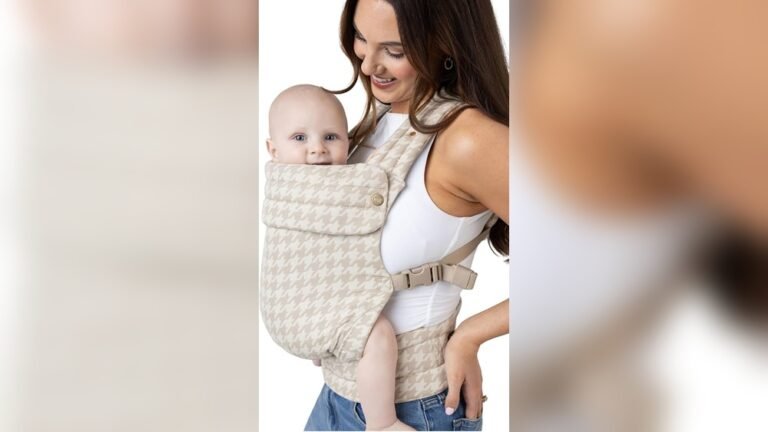
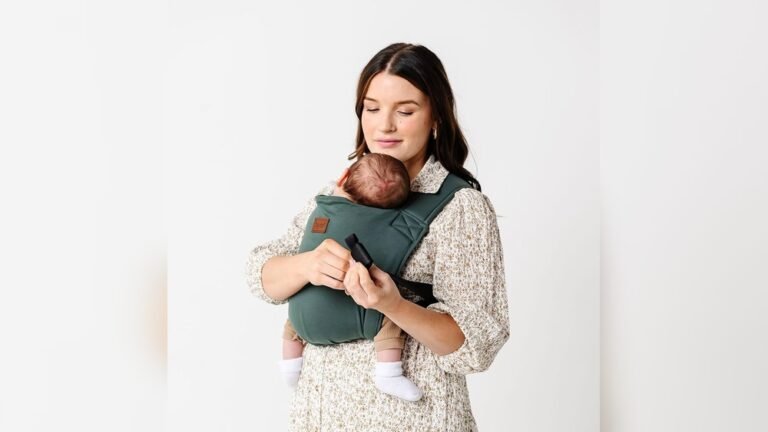
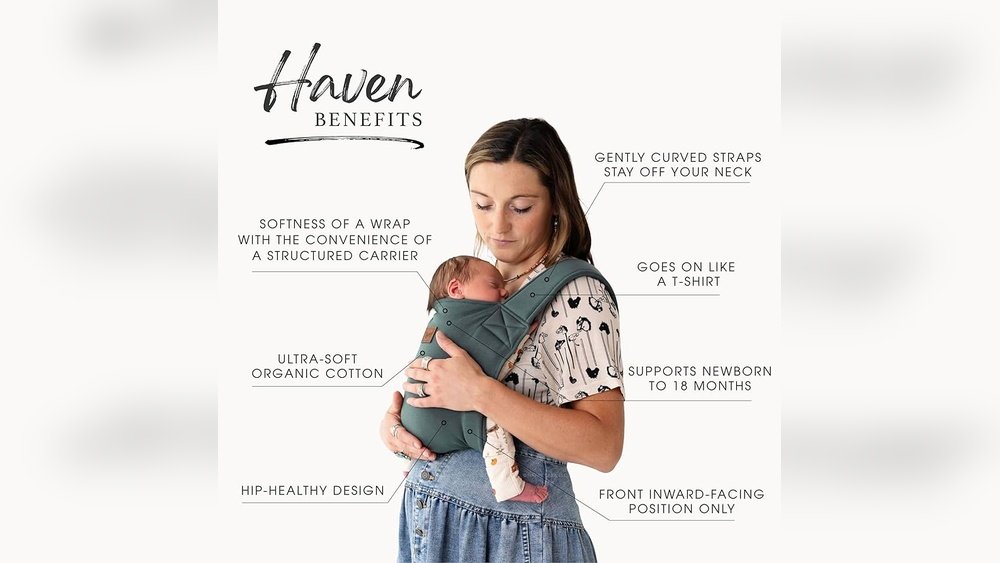
Soft structured carriers have padded seats that keep newborns in a natural sitting position. The fabric is soft and breathable to prevent overheating. The carrier’s shape supports baby’s hips and spine gently. It also allows parents to hold their babies close while keeping their hands free.
Essential Head And Neck Support
Newborns need extra support for their heads and necks. These carriers include built-in headrests or collars to hold baby’s head steady. This feature protects babies from sudden movements and provides comfort. It helps prevent strain on fragile muscles and joints during carrying.
Adjustability And Inserts
Soft structured carriers come with adjustable straps and buckles. Parents can customize the fit for their body and baby’s size. Many carriers include removable inserts to create a snug space for newborns. These inserts provide extra padding and support until baby grows into the carrier fully.

Credit: www.amazon.com
Comfort Benefits For Babies
Soft structured carriers offer great comfort for newborns. They help babies feel safe and calm. The design supports their small bodies gently. Comfort is key during the first months of life. These carriers create a soothing space just for babies.
Mimics Womb Environment
The carrier shapes around the baby’s body. It recreates the close, warm feeling of the womb. This familiar space helps babies relax and sleep better. The gentle hold reduces fussiness. Babies feel secure and comforted all day long.
Snug And Cozy Fit
Soft structured carriers offer a close fit for newborns. They hug the baby’s body without tightness. This snugness supports proper posture and spine alignment. It keeps babies safe and comfortable on every move. The cozy fit also helps with bonding and calming.
Breathable Materials
These carriers use fabrics that allow air flow. Breathable materials keep babies cool and dry. They help prevent overheating and skin irritation. Soft cotton or mesh fabrics are gentle on delicate skin. This ensures comfort during long hours of use.
Safety Advantages
Soft structured carriers offer many safety advantages for newborns. These carriers support your baby’s delicate body and keep them secure. Parents can feel confident while carrying their little ones close. Safety is a top priority in every design of these carriers.
Proper Spinal Alignment
Newborns have soft and developing spines. Soft structured carriers help keep the spine straight and supported. They prevent the baby from slumping or folding awkwardly. This support reduces the risk of spinal injury and discomfort. Proper alignment also helps with healthy growth.
Reduced Risk Of Sids
Carrying babies in soft structured carriers may lower the risk of Sudden Infant Death Syndrome (SIDS). These carriers keep babies upright and allow better air circulation. Upright positioning helps keep airways open and reduces pressure on the head. This creates a safer environment for newborns during use.
Secure Fastening Systems
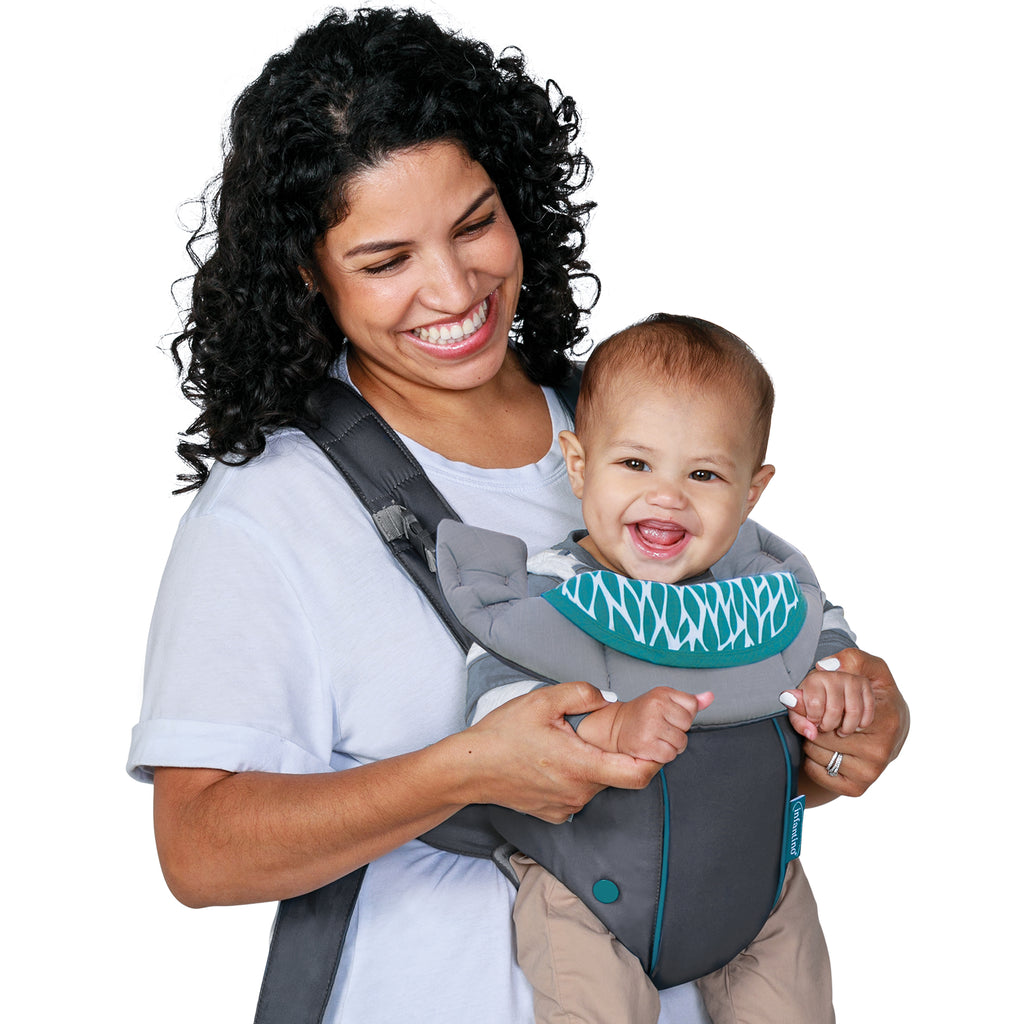
Soft structured carriers come with strong and adjustable fasteners. These fastenings hold the baby safely in place. They prevent slipping or falling, even during movement. Easy-to-use buckles and straps ensure a snug fit every time. Parents can trust these systems to keep their newborn secure.
Credit: infantino.com
Benefits For Parents
Using a soft structured carrier offers many benefits for parents. It helps them stay active while keeping their newborn close. Parents can enjoy more freedom and comfort during daily tasks. These carriers also support healthy posture and reduce strain. The ease of use makes parenting smoother and less stressful.
Hands-free Convenience
A soft structured carrier frees parents’ hands. They can carry their baby while doing chores or shopping. This convenience allows multitasking without worrying about the baby’s safety. Parents can move easily and stay productive. It also keeps the baby calm and close, creating a strong bond.
Ergonomic Support
These carriers provide excellent support for parents’ backs and shoulders. They distribute the baby’s weight evenly. This reduces pain and fatigue during long carrying periods. The ergonomic design helps maintain good posture. Parents feel more comfortable and less tired throughout the day.
Ease Of Use And Adjustments
Soft structured carriers are simple to put on and take off. Adjustable straps and buckles fit different body sizes easily. Parents can quickly change the carrier to suit their comfort. This flexibility makes it perfect for busy caregivers. The carrier grows with the baby, offering long-term use.
Comparing Carrier Types
Choosing the right baby carrier is important for comfort and safety. Parents often compare different types to find the best fit for their newborn. Each carrier type has unique benefits and features. Understanding these can help you make an informed choice.
Soft structured carriers, wraps, and ring slings offer different levels of support and ease of use. Knowing their differences can simplify your decision. This section breaks down these carrier types to highlight their strengths and ideal situations.
Soft Structured Vs Wraps
Soft structured carriers have buckles and padded straps for easy adjustment. They provide strong support for both baby and parent. Wraps are long pieces of fabric that you tie around your body. They offer a snug fit and can be used in many ways.
Wraps are softer and more flexible but require practice to tie properly. Soft structured carriers are quicker to put on and take off. Both provide close contact, but structured carriers offer more back support for parents.
Structured Vs Ring Slings
Structured carriers have a firm design with straps and buckles. They distribute baby’s weight evenly across shoulders and hips. Ring slings use a ring to adjust fabric tension. They allow quick changes in carrying position.
Ring slings are lighter and great for short trips. Structured carriers suit longer wear and heavier babies. Slings put more weight on one shoulder, which may cause discomfort over time.
When To Choose Each Option
Choose soft structured carriers for daily use and longer outings. They support newborns’ necks and keep babies secure. Wraps are best for soothing newborns and for parents who like a close fit.
Ring slings work well for quick errands or breastfeeding in public. They allow easy access and fast adjustments. Each option fits different needs and lifestyles, so select what feels best for you and your baby.
Promoting Bonding And Development
Using a soft structured carrier for newborns supports more than just comfort. It helps build a strong bond between parent and baby. This closeness is key to healthy emotional and mental growth. The carrier keeps your newborn close, safe, and secure. This helps them feel calm and loved. It also allows parents to respond quickly to their baby’s needs. These moments together promote a deep connection and support your baby’s overall development.
Encouraging Emotional Connection
Soft structured carriers keep babies close to their parents’ bodies. This closeness helps babies feel safe and cared for. Hearing your heartbeat and feeling your warmth soothes your newborn. It reduces crying and fussiness. This physical contact builds trust and security. Your baby learns that you are always there. This strong emotional bond lays the foundation for healthy relationships later in life.
Supporting Cognitive Growth
Being carried allows babies to observe the world from a safe place. They see faces, hear voices, and notice movements around them. This exposure helps develop their brain and senses. Babies in soft structured carriers stay calm and alert. This state of calm alertness is perfect for learning. Parents can interact more easily, helping babies explore and understand new things. This interaction boosts brain development and early learning skills.
Facilitating Breastfeeding
Soft structured carriers make breastfeeding easier and more discreet. The close contact helps trigger milk production and flow. Babies feel secure and latch more naturally while in the carrier. This convenience allows moms to breastfeed on the go. It supports a healthy feeding routine and helps build a strong nursing bond. Easy access to breastfeeding also supports baby’s nutrition and growth.
Practical Tips For Newborn Babywearing
Practical tips make newborn babywearing easier and safer for parents. Using a soft structured carrier helps keep your baby close and comfortable. These tips help you get the most from your babywearing experience.
Following simple steps ensures your newborn stays secure and happy. Proper use also supports healthy development and bonding.
Choosing The Right Carrier Size
Select a carrier designed for newborns or one with an infant insert. The carrier should fit snugly without squeezing your baby. Look for adjustable straps to customize the fit as your baby grows. Avoid carriers too large or too loose, which can cause discomfort or unsafe positioning.
Safe Positioning Guidelines
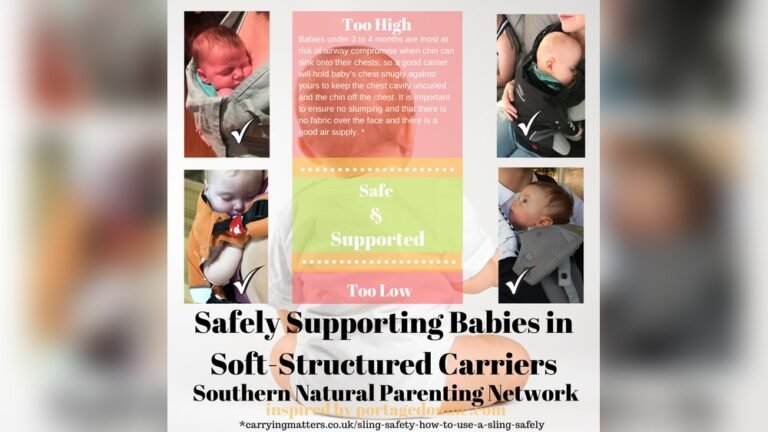
Keep your baby’s face visible and close enough to kiss. Support the head and neck firmly, especially for very young infants. Ensure the baby’s chin does not press against their chest to keep airways open. Position legs in an “M” shape with knees higher than the bottom for healthy hip development.
Maintaining Carrier Hygiene
Wash the carrier regularly to keep it clean and fresh. Follow the manufacturer’s instructions for care and cleaning. Use gentle detergents to avoid skin irritation for your baby. Air dry the carrier to maintain its shape and durability. Clean carriers reduce the risk of infections and keep baby safe.
Frequently Asked Questions
Can You Use A Structured Carrier For A Newborn?
Yes, you can use a structured carrier for a newborn. Choose one designed for newborns or with inserts for proper head and neck support. This ensures safety and comfort during babywearing.
What Is The 3 6 9 Rule For Babies?
The 3-6-9 rule for babies guides feeding frequency: feed every 3 hours for newborns, 6 hours by 3 months, and 9 hours by 6 months.
Can I Put My 2 Week Old In A Baby Carrier?
Yes, you can use a baby carrier for a 2-week-old if it offers proper head and neck support. Choose carriers designed for newborns or those with inserts to ensure safety and comfort. Always follow manufacturer guidelines for newborn use.
Does Babywearing Reduce Sids?
Babywearing does not directly reduce SIDS risk. Safe sleep practices remain essential for preventing SIDS in infants.
Conclusion
Soft structured carriers offer comfort and safety for newborns. They support baby’s head and neck properly. Parents can keep their hands free while holding baby close. These carriers help strengthen the bond between parent and child. Babies feel secure, which helps them stay calm.
Using a soft structured carrier makes daily tasks easier. Choosing the right carrier ensures newborns get the best fit. Overall, soft structured carriers provide practical benefits for families.