
Common Mistakes to Avoid With Baby Carrier as New Parent
Using a baby carrier can make your life so much easier, keeping your hands free while keeping your little one close. But are you sure you’re doing it right?
Many parents unknowingly make simple mistakes that can affect your baby’s comfort and safety—and even cause you unnecessary strain. If you want to avoid common pitfalls and make babywearing a joy for both you and your baby, you need to know what to watch out for.
Keep reading to discover the most frequent baby carrier mistakes and how you can fix them today. Your baby’s safety and your comfort depend on it!

Credit: keababies.com
Incorrect Leg Position
Incorrect leg position in a baby carrier can cause discomfort and health issues for your baby. Proper leg placement supports healthy hip development and keeps your baby safe. Many parents unknowingly place their baby’s legs in positions that strain their hips or knees. This section highlights common mistakes and how to avoid them.
Legs Overextended
Legs stretched too far straight can cause hip stress. Babies need their legs bent in a natural “M” shape. Overextended legs can lead to tight hips and discomfort. Choose a carrier that allows knees to be higher than the bottom. This position supports healthy hip growth and prevents strain.
Unsupported Thighs
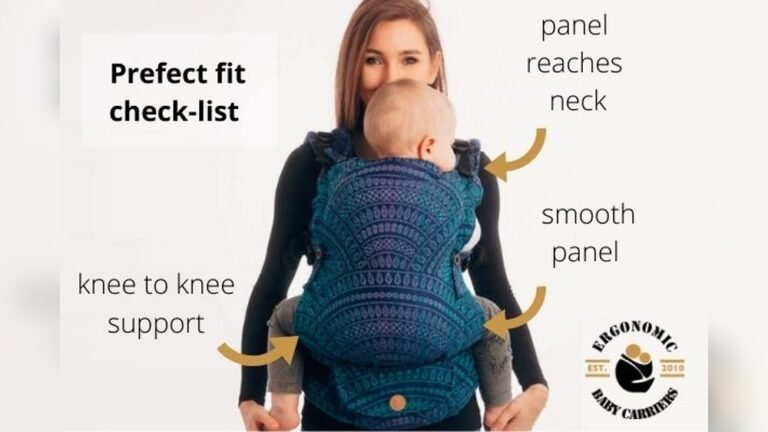
Thighs must be fully supported by the carrier fabric. Dangling legs with unsupported thighs put pressure on hip joints. Lack of support can cause pain and affect circulation. Ensure the carrier fabric spreads from knee to knee. This keeps thighs secure and evenly supported for comfort.
Fabric Pushing Against Knees
Fabric pressing on baby’s knees can cause discomfort and restrict movement. Check that carrier material does not dig into the back of the knees. Tight fabric in this area may block blood flow and cause irritation. Adjust the carrier or choose a model with soft, flexible fabric to avoid this issue.

Credit: minubabywrap.com
Improper Carrier Fit
Choosing the right fit for a baby carrier is crucial for both the baby’s safety and the wearer’s comfort. An improper carrier fit can cause discomfort, strain, and even affect the baby’s posture. Understanding how to adjust the carrier properly helps prevent common mistakes. Below are key points to check for a proper fit.
Carrier Too Wide Or Too Narrow
The carrier must support the baby’s hips and thighs correctly. If the carrier is too wide, the baby’s legs may spread too far, causing discomfort. Too narrow, and the baby’s legs may dangle, which can strain their hips. A good fit keeps the baby’s knees slightly higher than the bottom, forming an “M” shape. This position supports healthy hip development and keeps the baby secure.
Loose Or Tight Straps
Straps that are too loose cause the baby to slump, creating unsafe pressure on their back and neck. Tight straps can hurt the wearer and restrict the baby’s movement. Adjust straps so the baby stays close and snug against your body. You should feel balanced and comfortable, with no pain or strain on your shoulders or back.
Waist Strap Placement
The waist strap helps distribute the baby’s weight evenly. If placed too high, it may put pressure on your ribs. Too low, and your lower back will carry the load, causing discomfort. Position the waist strap on your hips or just above them. This placement reduces strain and helps keep the baby secure and close to your body.
Unsafe Baby Positioning
Unsafe baby positioning in carriers can cause discomfort and risk for your little one. Proper support is crucial to keep babies safe and comfortable. Many caregivers make simple mistakes that put babies at risk. Understanding what to avoid helps ensure secure babywearing.
Baby Worn Too Low
Wearing a baby too low in the carrier can be dangerous. The baby may slump down, making breathing difficult. Keep the baby high enough to kiss the top of their head. This position supports the baby’s spine and airway.
Head Unsupported Or Tilting Forward
The baby’s head must have full support, especially for newborns. If the head tilts forward, it can block airways. Use carriers with good neck support or add a rolled cloth for extra help. Always check the baby’s head position during use.
Slumping In The Carrier
Slumping means the baby’s back is curved in an unsafe way. This can cause breathing issues and strain the baby’s spine. Choose carriers that allow the baby to sit in a natural “M” shape. Make sure the baby’s back stays straight and supported at all times.
Ignoring Safety Guidelines
Ignoring safety guidelines is a serious mistake many make with baby carriers. Safety rules exist to protect your baby from harm. Skipping these can lead to accidents and discomfort. Always prioritize safety to ensure a secure, happy babywearing experience.
Failing To Secure Buckles
Buckles keep your baby carrier firmly in place. Not fastening them correctly risks your baby slipping or falling. Always double-check each buckle before use. A loose buckle can cause sudden drops or uneven support. Secure every buckle tightly to avoid accidents.
Uneven Weight Distribution
Uneven weight strains your back and makes carrying unsafe. When weight is not balanced, the carrier may tilt or shift. This can hurt your baby’s posture and cause discomfort for both of you. Adjust straps evenly on both shoulders. Keep your baby centered and close to your body.
Overlooking Manufacturer Instructions
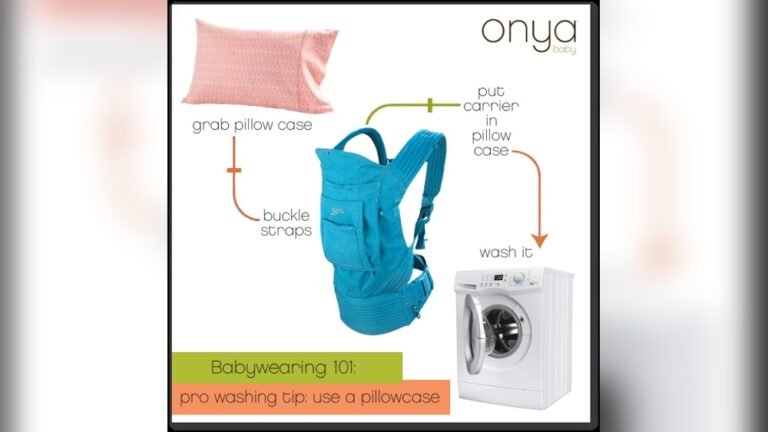
Manufacturers provide detailed instructions for a reason. Ignoring them can lead to improper use or damage. Instructions explain the best ways to wear, clean, and adjust the carrier. Following them ensures your baby’s safety and prolongs carrier life. Always read and follow the manual before use.
Misconceptions About Hip Health
Many parents worry about using baby carriers because of hip health concerns. Misunderstandings about hip development and babywearing create unnecessary fear. Knowing the facts helps you carry your baby safely and comfortably. This section clears up common myths and offers practical tips for healthy hip support.
Concerns About Hip Dysplasia
Hip dysplasia means the hip joint does not form properly. Some parents fear baby carriers cause or worsen this condition. Studies show carriers do not cause hip problems. The key is to avoid positions that force the legs straight or together. Babies with hip dysplasia should follow doctor advice but can often use carriers safely.
Proper Hip Positioning
Good hip positioning supports healthy joint development. The baby’s legs should be spread apart with knees bent. This “M” shape position keeps hips stable and comfortable. Avoid letting the legs dangle straight down. Keep the thighs supported from knee to knee. Proper positioning reduces the risk of hip strain or injury.
Choosing Hip-healthy Carriers
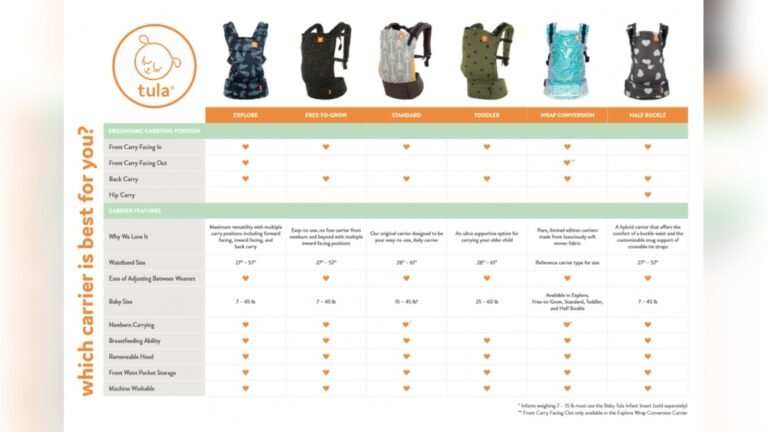
Pick carriers designed to support hip health. Look for wide seats that hold baby’s thighs. Adjustable carriers allow better fit as baby grows. Soft-structured and wrap-style carriers often provide good hip support. Avoid carriers that force legs to hang or cross. A hip-healthy carrier promotes comfort and safety for both baby and parent.

Credit: soulslings.com
Comfort Issues For Parent And Baby
Comfort is key for both parent and baby when using a baby carrier. Discomfort can cause stress and make carrying a baby unpleasant. Many common mistakes lead to pain or soreness. These issues often result from poor fit or incorrect adjustments. Proper comfort helps create a positive bonding experience. It also encourages longer, more frequent use of the carrier.
Strain From Incorrect Weight Distribution
One of the biggest comfort problems is uneven weight distribution. Carrying all the baby’s weight on the shoulders causes pain. It can lead to neck and back strain for the parent. A good carrier spreads the weight evenly across hips and shoulders. This balance reduces fatigue and keeps the parent comfortable. Adjust straps and supports to avoid pressure points. Check often to make sure the baby’s weight feels balanced.
Discomfort From Fabric Placement
Fabric that presses against sensitive areas causes discomfort. Wrinkles or folds in the material can irritate the baby’s skin. The fabric might also dig into the parent’s body if not placed well. Soft, breathable fabric is best to prevent sweating and chafing. Make sure fabric edges do not rub the baby’s legs or neck. Smooth fabric placement helps both parent and baby feel cozy.
Adjusting For Different Body Types
Every parent’s body is unique. A carrier that fits one person may not fit another. Adjusting straps and buckles is crucial for comfort. Some carriers offer extra padding or adjustable panels for different sizes. Parents with shorter torsos or wider hips need special attention to fit. Babies also vary in size, requiring different settings. Take time to customize the carrier for each user. Proper fit reduces discomfort and improves safety.
Frequently Asked Questions
What Are Common Baby Carrier Mistakes?
Common baby carrier mistakes include poor leg positioning, loose straps, incorrect buckle fastening, and using carriers too wide or narrow for the baby’s size. These errors can cause discomfort and reduce safety for both baby and wearer. Always ensure proper support and secure fastening.
What Is The 3 6 9 Rule For Babies?
The 3 6 9 rule for babies guides feeding and sleep: 3 weeks old, feed every 3 hours; 6 weeks, every 6 hours; 9 weeks, every 9 hours. It helps establish routines for better baby care and development.
Can You Use A Baby Carrier With Hip Dysplasia?
Yes, you can use a baby carrier with hip dysplasia. Choose hip-healthy carriers that support wide leg positioning. Ensure proper fit and follow safety guidelines.
What Is The 5 5 5 Rule For Newborns?
The 5 5 5 rule for newborns means feeding every 5 hours, giving 5 ounces per feeding, and sleeping 5 hours between feeds.
Conclusion
Using a baby carrier correctly keeps both you and your baby comfortable. Avoid tight straps or letting your baby’s legs hang unsupported. Make sure the carrier supports your baby’s hips and back well. Check the fit often as your baby grows.
Small adjustments can make a big difference in safety and comfort. Stay mindful and enjoy the closeness that babywearing brings. Safe habits help create happy, relaxed moments for both of you.