Expert Tips for New Parent’s | How to use Baby Carrier
Using a baby carrier can transform your daily routine, giving you the freedom to move while keeping your little one close and secure. But if you’re new to babywearing, it might feel a bit tricky or even overwhelming at first.
How do you make sure your baby is safe and comfortable? What’s the best way to adjust the straps? And how can you avoid common mistakes that might cause discomfort for both of you? You’ll discover expert tips that make using a baby carrier easier and safer.
Whether you’re a first-time parent or just looking to improve your technique, these practical insights will help you enjoy every moment of babywearing with confidence. Keep reading to unlock the secrets to a happy, comfortable, and secure baby-carrying experience!

Credit: wildbird.co
Choosing The Right Carrier
Choosing the right baby carrier is important for both comfort and safety. A good carrier supports your baby’s growth and fits your daily needs. It also makes carrying your baby easier and more enjoyable. Understanding different options helps you pick the best one.
Types Of Baby Carriers
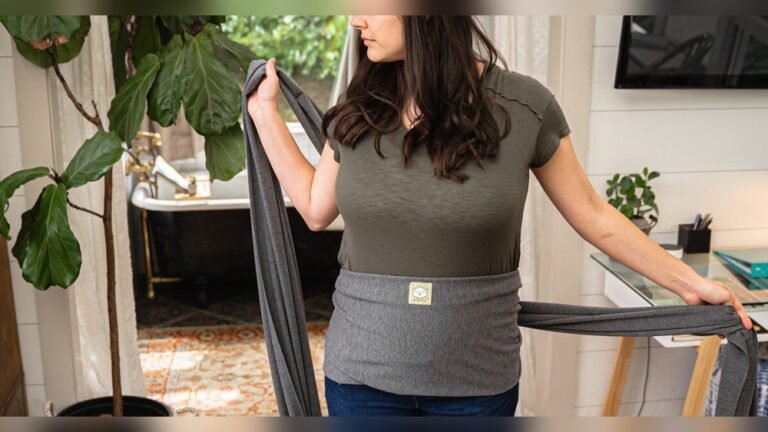
There are several types of baby carriers. Wraps are long pieces of fabric that you tie around your body. Slings are simple and allow quick carrying. Soft-structured carriers have buckles and padded straps for support. Each type suits different activities and comfort levels.
Material And Fabric Choices
Materials affect breathability and softness. Cotton is popular for its comfort and ease of washing. Mesh fabrics offer better air flow, good for hot weather. Organic fabrics avoid chemicals, ideal for sensitive skin. Choose a material that feels good and meets your needs.
Age And Weight Considerations
Check the carrier’s weight limits before use. Some carriers fit newborns, while others work better for older babies. Newborn carriers offer extra head and neck support. Larger carriers allow more growth and longer use. Match the carrier with your baby’s age and size.
Safe Baby Positioning
Safe baby positioning in a carrier is crucial for your child’s comfort and health. Proper positioning supports their growing body and prevents injury. It also helps keep their airways open and reduces risks during babywearing.
Hip Healthy Positioning
Choose a carrier that supports your baby’s hips in a natural position. Their legs should form an “M” shape, with knees higher than their bottom. This position protects the hips from stress and helps prevent hip dysplasia. Avoid carriers that let your baby’s legs dangle straight down. Proper hip support encourages healthy joint development.
Airway Safety Tips
Always keep your baby’s face visible and close enough to kiss. Make sure their chin does not press against their chest. This keeps the airway open and reduces the risk of suffocation. Avoid fabric covering the baby’s nose and mouth. Regularly check your baby’s breathing to ensure safety during use.
T.i.c.k.s. Rule Essentials
The T.I.C.K.S. rule helps ensure safe babywearing:
- Tight: The carrier should hold your baby snugly.
- In view: You must see your baby’s face at all times.
- Close enough to kiss: Your baby should be near your chin.
- Keep chin off the chest: Prevent airway blockage by keeping the chin up.
- Supported back: Your baby’s back should be well supported in a natural curve.
Follow these steps every time you wear your baby to keep them safe and comfortable.
Adjusting For Comfort
Adjusting your baby carrier for comfort helps both you and your baby enjoy the experience. Proper adjustments reduce strain on your back and shoulders. Comfortable wearing encourages longer use and keeps your baby happy. Small changes make a big difference in how the carrier feels.
Proper Waistband Placement
Place the waistband low on your hips, not your waist. This supports your lower back better. The waistband should feel snug but not tight. It helps carry most of your baby’s weight. Check that it does not dig into your skin.
Strap Adjustments
Adjust the shoulder straps so they fit snugly but comfortably. Straps that are too loose cause your baby to sag. Tight straps can dig into your shoulders. Balance the fit so your baby feels secure. Make small changes to find the best fit.
Balancing Weight Evenly
Distribute your baby’s weight evenly between your hips and shoulders. Avoid carrying all weight on one side. Use both shoulder straps and the waistband to share the load. This helps prevent muscle pain and fatigue. Check your posture often and adjust as needed.
Carrier Wearing Techniques
Using a baby carrier correctly makes carrying your baby safer and more comfortable. Different wearing techniques suit different ages and activities. Knowing these methods helps you choose the right one for you and your baby. Adjusting the carrier properly protects your baby’s hips and spine. It also reduces strain on your back and shoulders.
Practice these techniques slowly. Check your baby’s position often. Keep your baby close, visible, and supported at all times.
Front Carry Methods
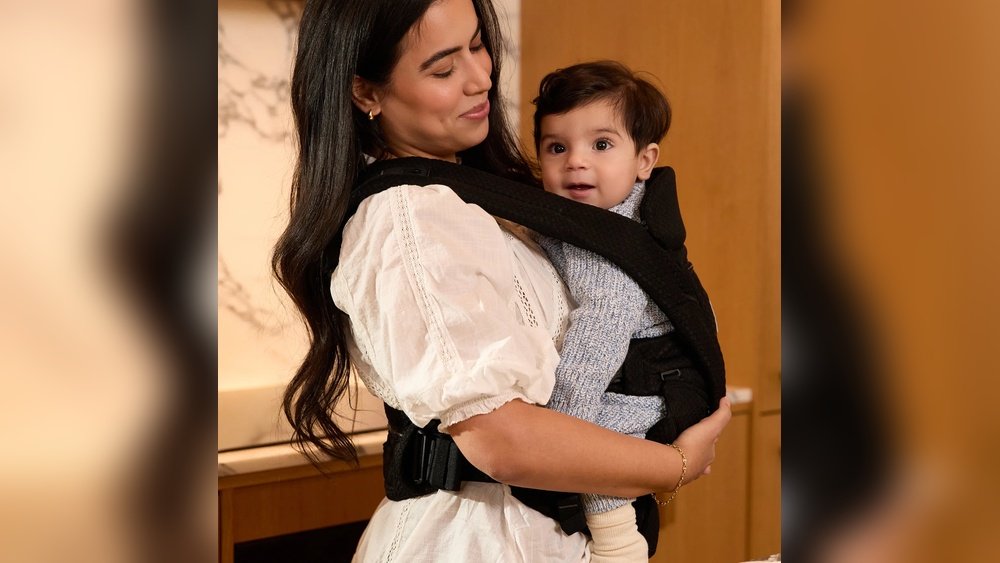
Front carry is the most common and easy position. It allows you to keep your baby close and see their face. Use this method for newborns and young infants. Ensure the baby’s hips are in the “M” position, with knees higher than the bottom. The carrier should hold your baby tight and high on your chest. Make sure your baby’s chin is off their chest to keep airways clear.
Hip Carry Techniques
Hip carry works well as your baby grows and gains head control. It offers a good view for your baby and frees your front. Position the baby on your side with hips supported. Use a carrier that supports the baby’s weight evenly. Adjust straps to keep your baby secure and close. Avoid slouching to protect your back during hip carry.
Back Carry Tips
Back carry suits older babies and toddlers. It allows you to carry heavier babies comfortably. Place your baby high on your back for better balance. Secure all straps tightly to prevent slipping. Check your baby’s position often to keep them safe. This carry frees your hands and lets you move easily.
Safety Precautions
Using a baby carrier can be a wonderful way to keep your little one close. Safety is key to enjoy this experience fully. Taking simple precautions helps protect your baby and ensures comfort for both of you. Follow these safety tips carefully every time you use the carrier.
Keeping Baby Visible And Kissable
Always keep your baby in a position where you can see their face. Their head should be close enough to kiss easily. This way, you can check on their breathing and comfort at all times. Avoid letting the baby’s chin rest on their chest. It can block their airway and cause breathing problems.
Avoiding Fabric Obstruction
Make sure the carrier’s fabric does not cover your baby’s face. Keep the airways clear and open. Use carriers with proper support for the head and neck. Avoid loose fabric that may slip over the nose or mouth. This step helps prevent any risk of suffocation.
Regular Carrier Inspection
Check your baby carrier often for signs of wear and tear. Look for loose seams, broken buckles, or weak straps. Replace or repair damaged parts immediately. A secure carrier keeps your baby safe and comfortable. Regular inspections prevent accidents before they happen.

Credit: www.youtube.com
Daily Use Tips
Using a baby carrier every day can make life easier and keep your baby close. Small habits help you and your baby stay comfortable and safe. Follow these daily use tips to enjoy babywearing with less stress.
Dressing For Babywearing
Choose clothes that fit well and feel soft. Avoid bulky layers that make babywearing tight or uncomfortable. Use breathable fabrics to keep both you and your baby cool. Dress your baby in simple, stretchy clothes for easy movement. Make sure your baby’s head and face stay uncovered at all times.
Managing Temperature
Check your baby’s temperature often. Babies can get too hot or cold quickly in a carrier. Use light blankets if needed, but keep them away from your baby’s face. Remove layers if you or your baby feel warm. In cold weather, cover your baby’s hands and feet to keep them cozy.
Cleaning And Maintenance
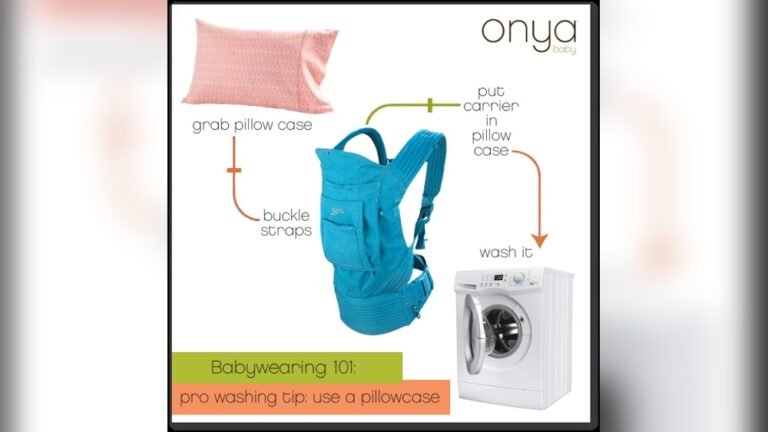
Clean your baby carrier regularly to keep it fresh and safe. Follow the care instructions on the label. Spot clean small stains quickly to avoid buildup. Wash the carrier in gentle cycles and air dry it to keep the fabric strong. Check for loose threads or worn parts before each use.
Troubleshooting Common Issues
Troubleshooting common issues with baby carriers helps make babywearing easier and safer. Small problems can cause discomfort for you and your baby. Knowing how to fix these issues improves your experience. This section covers solutions for fussiness, strap slippage, and adjusting the carrier as your baby grows.
Handling Baby Fussiness
Babies may fuss in carriers due to discomfort or hunger. Check if your baby is too hot or cold. Adjust the carrier to support their head and neck well. Try gentle rocking or walking to soothe your baby. Sometimes, a quick feeding break helps calm them down. Make sure the carrier is not too tight or loose.
Dealing With Strap Slippage
Strap slippage can cause the carrier to feel unsafe. Tighten all straps firmly but comfortably. Check for worn or damaged buckles and replace if needed. Use strap locks or clips to keep straps in place. Adjust straps evenly on both sides to avoid uneven weight. Regularly inspect the carrier for any loose parts.
Adjusting For Growth Changes
As your baby grows, the carrier needs adjustments. Increase strap length to fit your larger baby. Check the seat width to keep your baby’s hips supported. Use carriers with adjustable panels or inserts for newborns and toddlers. Change positions from front to back carry as your baby gains head control. Regular adjustments keep both of you comfortable and safe.

Credit: www.bibliotecaoscura.com
Frequently Asked Questions
What Are The Best Baby Carrier Safety Tips?
Always keep your baby visible and close enough to kiss. Ensure their airway is clear and supported. Follow the T. I. C. K. S. Rule for safe positioning. Use carriers with proper head and neck support to avoid any strain or discomfort.
How Do I Position My Baby In A Carrier?
Position your baby tight, in view, and close enough to kiss. Keep their chin off the chest to maintain an unobstructed airway. Ensure the carrier supports healthy hip positioning to promote natural development and comfort.
When Should I Adjust The Baby Carrier Straps?
Adjust straps anytime your baby or body position changes. Straps should fit snugly but comfortably to distribute weight evenly. Proper adjustment prevents strain and keeps your baby secure and supported during wear.
What Is The Correct Waistband Placement On Baby Carriers?
Place the waistband high and tight on your hips or waist. Avoid positioning it too low, which can cause discomfort and poor weight distribution. A proper waistband supports your back and keeps the baby secure.
Conclusion
Using a baby carrier can make daily life easier and more enjoyable. Always check that your baby is safe, snug, and comfortable. Keep the carrier tight and your baby close to your body. Support your baby’s head and neck well at all times.
Adjust straps and waistbands for the best fit. Remember to keep your baby’s face visible and airways clear. Practice these simple tips to feel confident while babywearing. Enjoy the bonding time and hands-free convenience every day. Safe babywearing helps both you and your little one thrive.