True Guide & Full Comparison of Baby Carrier for New Parents
Choosing the right baby carrier can feel overwhelming with so many options available. You want something safe, comfortable, and easy to use—for both you and your little one.
But how do you know which carrier fits your lifestyle and your baby’s needs best? This full comparison of baby carriers breaks down the top choices, highlighting their features, pros, and cons. By the time you finish reading, you’ll have a clear idea of which carrier will make your daily adventures easier and more enjoyable.
Ready to find the perfect fit for you and your baby? Let’s dive in.

Credit: everestkitchennc.com
Types Of Baby Carriers
Baby carriers come in several types, each designed for different needs and comfort levels. Choosing the right carrier depends on your daily activities and your baby’s age. Understanding the types helps you pick one that fits your lifestyle and keeps your baby safe and cozy.
Wraps
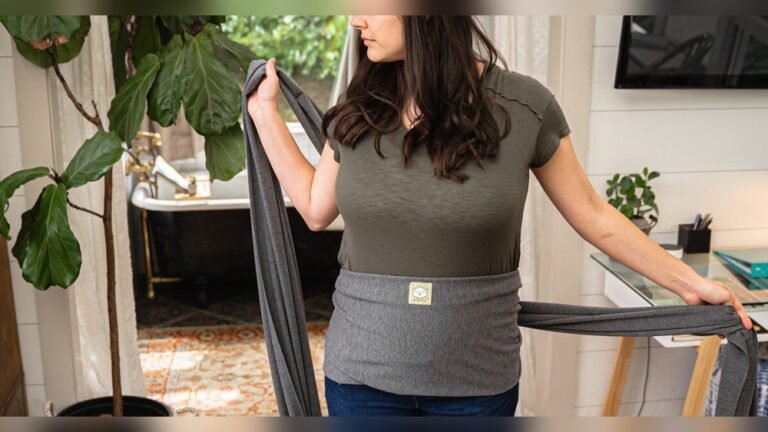
Wraps are long pieces of fabric that you tie around your body. They offer a snug and gentle hold for newborns and small babies. Wraps allow you to adjust the tightness for comfort. They are lightweight and easy to carry. Learning to tie a wrap can take some practice. Wraps support many carrying positions, including front and hip carries.
Ring Slings
Ring slings use a fabric strap with two rings to secure the baby. They provide quick adjustment and are easy to put on. Ring slings are great for short trips and breastfeeding on the go. They allow a natural sitting position for the baby. Ring slings are compact and easy to store. They work well for babies of different sizes.
Soft-structured Carriers
Soft-structured carriers have padded straps and buckles for support. They offer strong back and shoulder support for parents. These carriers are simple to put on and adjust. They often include padded seats for the baby. Soft-structured carriers work for front, back, and sometimes hip carrying. They are suitable for babies and toddlers.
Backpack Carriers
Backpack carriers are designed for hiking and long walks. They have a sturdy frame and extra padding. These carriers keep the baby secure and comfortable on your back. Backpack carriers often include storage for baby supplies. They are best for older babies who can sit up well. The design distributes weight evenly for the wearer.
Hybrid Carriers
Hybrid carriers combine features of wraps and soft-structured carriers. They offer flexibility and ease of use. Hybrids provide comfort for both baby and parent. These carriers support multiple carrying positions. They are quick to wear and adjust. Hybrid carriers suit parents who want versatility and convenience.
Pediatrician-recommended Options
Pediatrician-recommended baby carriers earn trust for their focus on infant health and comfort. These carriers meet strict safety and ergonomic standards. They support proper growth and reduce risks linked to poor positioning. Many parents prefer these options for peace of mind and baby well-being.
Safety Features
These carriers include secure buckles and straps that prevent slipping. They use breathable fabrics to avoid overheating. The designs keep babies close without blocking airways. Many have adjustable settings to fit different baby sizes safely. They often pass rigorous safety tests before release.
Ergonomic Benefits
They promote healthy hip and spine alignment for babies. The carriers support babies in a natural “M” shape position. This reduces the risk of hip dysplasia. Padded shoulder straps ease pressure on parents’ backs. The weight spreads evenly, making long wear comfortable and safe.
Support For Newborns
Newborn-specific carriers offer extra head and neck support. They cradle babies in a cozy, secure way. Some come with inserts to adjust for smaller sizes. These features prevent slumping, which can block breathing. The carriers allow gentle close contact, important for newborn bonding.
Best Carriers For Newborns
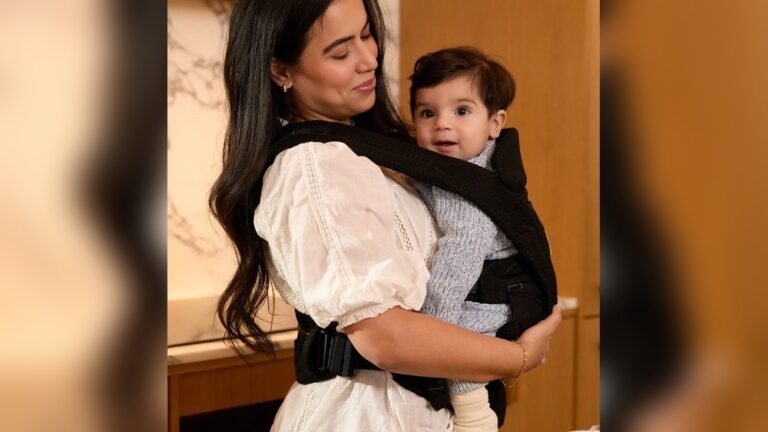
Choosing the right baby carrier for a newborn is essential for safety and comfort. Newborns need extra support for their heads and necks. A good carrier holds them snugly and securely. It also allows parents to keep their baby close while having hands free.
Many carriers on the market suit newborns. Some focus on a tight fit, others on ease of use or soft materials. Understanding these features helps in making the best choice for your little one.
Snug Fit Carriers
Newborns require carriers that fit snugly to support their small bodies. A carrier with adjustable straps and a firm seat keeps babies close and secure. This tight fit prevents slumping and supports proper hip alignment. Wrap-style carriers often provide the best snug fit because they mold to a baby’s shape. Structured carriers with inserts also offer good support for newborns.
Ease Of Use
Parents need carriers that are easy to put on and take off. Simple designs save time and reduce frustration. Buckle carriers with clear instructions often work well for beginners. Wraps and slings may take practice but offer more flexibility. Quick adjustments are important for comfort as babies grow. Carriers that open wide and fasten easily help parents manage feeding and soothing without hassle.
Material And Comfort
Soft, breathable fabric is key for newborn carriers. Natural fibers like cotton keep babies cool and cozy. Stretchy materials provide gentle support without pressure. Padding on shoulder straps and waistbands makes wearing the carrier comfortable for parents. Washable fabrics are practical since newborns can be messy. Choosing a carrier with smooth seams avoids irritating delicate baby skin.
Top Carriers For Toddlers
Choosing the right baby carrier for toddlers is important for comfort and safety. Toddlers are bigger and heavier than infants. They need carriers that support their weight well. Carriers must also adjust easily as toddlers grow fast. Strong materials help carriers last longer. Here are key features to consider in top toddler carriers.
Weight Capacity
Toddler carriers should hold at least 40 pounds or more. Some models support up to 60 pounds. This lets toddlers stay comfortable for longer periods. Carriers with higher weight limits offer better support for growing children. Check the product’s weight capacity before buying. It ensures safety and comfort for both parent and child.
Adjustability
Adjustable straps and seat width are important for toddlers. They allow a custom fit for different body sizes. Easy-to-use buckles help parents quickly change settings. Adjustable carriers grow with the child and parent. This flexibility adds value and convenience. Look for carriers with multiple adjustment points for best fit.
Durability
Durable materials keep toddler carriers safe and long-lasting. Thick fabrics and strong stitching prevent wear and tear. Reinforced seams handle heavy loads better. Some carriers use breathable fabrics to keep toddlers cool. Durability means less frequent replacements and better investment. Choose carriers made with quality materials for daily use.
Carriers Ideal For Travel
Choosing the right baby carrier for travel can make trips easier and more enjoyable. Travel-friendly carriers focus on comfort and convenience. They help parents keep their hands free and babies close. These carriers are designed for quick packing and easy use.
Portability
Travel carriers should be easy to carry and store. Many models fold compactly to fit in small bags. Some come with a carrying pouch or strap. This makes them simple to grab and go. Portability helps reduce hassle at airports or on public transport.
Lightweight Designs
Light carriers reduce strain on the wearer during long trips. They use thin but strong materials to keep weight low. A lightweight carrier is easier to wear for hours. It also keeps the baby comfortable without overheating. These carriers suit travel in warm or active settings.
Storage Features
Extra pockets and compartments add value for travelers. Storage space holds small items like keys, phones, or diapers. Some carriers have zippered or mesh pockets. Easy access pockets let parents grab essentials quickly. Good storage helps keep hands free and organized during travel.
Carriers For Around The House
Choosing the right baby carrier for use around the house helps parents stay hands-free and close to their little one. These carriers offer ease and comfort for daily tasks. They support the baby well without causing strain on the wearer. Here is a full comparison focusing on key features important for home use.
Comfort For Long Wear
Comfort matters most for long wear. Soft padding on shoulder straps reduces pressure. Adjustable designs help fit different body shapes. Carriers with good lumbar support ease back pain. Comfort allows parents to wear their baby for hours with ease.
Breathable Fabrics
Breathable fabrics keep both baby and parent cool. Natural materials like cotton allow air flow. Mesh panels add extra ventilation for warmer days. Breathable carriers prevent overheating and skin irritation. This keeps baby happy and comfortable indoors.
Simple On And Off
Easy to put on and take off saves time. Slip-on styles or simple buckles make this quick. Parents can wear the carrier without help. This allows fast transitions between holding baby and doing chores. Simple designs suit busy home routines well.
Ease Of Use And Adjustability
Ease of use and adjustability are key factors in choosing the best baby carrier. Parents want a carrier that is simple to put on and adjust. This ensures comfort for both the baby and the wearer. A good carrier should fit different body types and grow with the child. Adjusting straps and buckles should be quick and easy. This saves time and reduces frustration during busy days.
One-handed Operation
Some baby carriers allow one-handed operation. This means you can secure or adjust the carrier using only one hand. It is helpful when holding your baby or carrying other items. Look for carriers with magnetic buckles or simple clasps. These features make it easier to manage the carrier alone. One-handed operation improves safety and convenience.
Quick Adjustments
Quick adjustments are important for busy parents. Carriers with easy-to-reach straps help you change the fit fast. This is useful when switching between caregivers or wearing layers of clothing. Some carriers have elastic or sliding straps that move smoothly. These allow you to tighten or loosen the carrier without taking it off. Quick adjustments keep your baby secure and comfortable.
User-friendly Designs
User-friendly designs focus on comfort and simplicity. Soft, padded straps reduce pressure on shoulders. Breathable fabrics keep both you and your baby cool. Clear instructions or color-coded parts help with assembly. Some carriers fold neatly for easy storage. A user-friendly carrier reduces stress and makes daily use enjoyable.
Comparison Of Popular Brands
Choosing the right baby carrier means understanding what each brand offers. Popular brands vary in design, comfort, and usability. This section compares top baby carrier brands to help you find the best fit for your needs.
Ergobaby
Ergobaby carriers are known for their ergonomic design. They support both baby and parent comfortably. Many models include lumbar support and adjustable straps. Their carriers fit newborns to toddlers without extra inserts. The fabrics used are soft and durable, ideal for daily use.
Babybjorn
BabyBjorn carriers are simple and easy to use. They focus on lightweight and minimal design. Perfect for quick trips and short wear times. BabyBjorn offers front-facing and inward-facing options. They use breathable materials that keep babies cool.
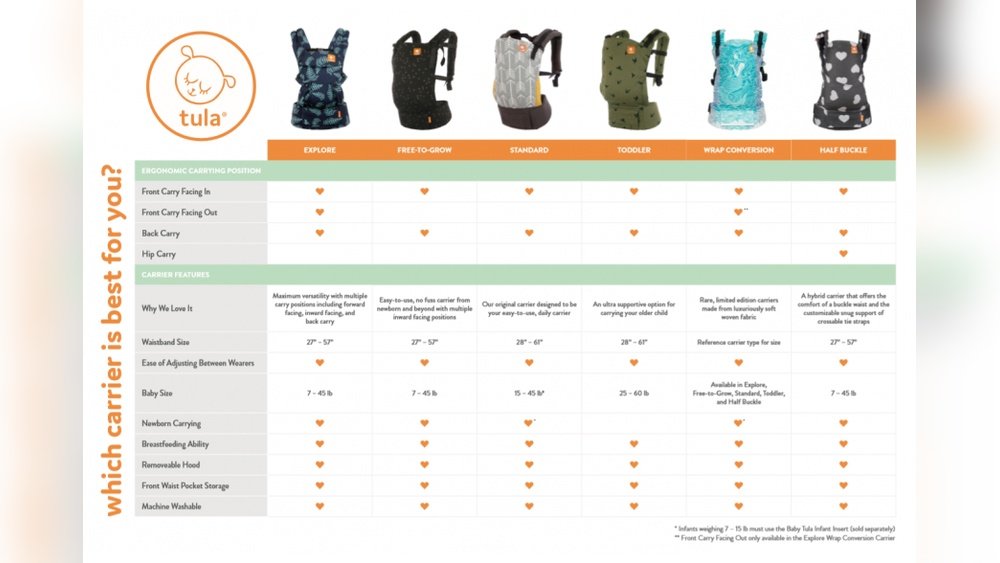
Tula
Tula carriers stand out with their stylish prints and colors. Comfort and safety are priorities in their design. They provide good back support for parents. Tula carriers come with padded shoulder straps for extra comfort. They work well for long walks and daily activities.
Boba
Boba carriers are versatile and beginner-friendly. They come with infant inserts for newborns. The carriers have adjustable settings to grow with your baby. Boba uses soft, stretchy fabrics for snug fits. Parents appreciate the ease of use and comfort.
Wildbird
WildBird carriers focus on lightweight and packable designs. Great for travel and quick outings. Their carriers use natural fibers and eco-friendly materials. WildBird offers adjustable sizing to fit many body types. The simple design does not sacrifice comfort or support.
Carrying Positions Explained
Baby carriers offer several ways to hold your little one. Each carrying position suits different ages and activities. Understanding these positions helps you choose the best fit for you and your baby. Comfort and safety are key in every position.
Front Carry
Front carry places your baby on your chest. It allows close contact and eye contact with your baby. This position is great for newborns and young infants. You can soothe and watch your baby easily. It also keeps your hands free for other tasks.
Back Carry
Back carry holds your baby on your back. This position works well for older babies who can sit up. It gives you more freedom to move and is less tiring for long periods. You still keep your baby safe and secure. Back carry is perfect for walks and outdoor activities.
Hip Carry
Hip carry rests your baby on your hip. It is good for babies who have good head and neck control. This position allows your baby to look around and explore the world. It also balances the weight on one side, making it comfortable for short trips. Hip carry is easy to switch to and from other positions.

Credit: stogagirlssoccer.com
Special Features To Consider
Choosing a baby carrier goes beyond comfort and safety. Special features can make daily use easier and more enjoyable. These features add value and convenience for parents on the go. Understanding what to look for helps you pick the right carrier for your needs.
Storage Pockets
Storage pockets provide space for essentials like keys, phone, or diapers. They keep items close and hands free. Some carriers have multiple pockets, including hidden ones for valuables. Easy access pockets save time and hassle during outings.
Weather Protection
Weather protection shields your baby from sun, wind, or rain. Some carriers include built-in hoods or covers. These features help keep your baby comfortable in changing weather. Look for carriers with removable or adjustable protection for flexibility.
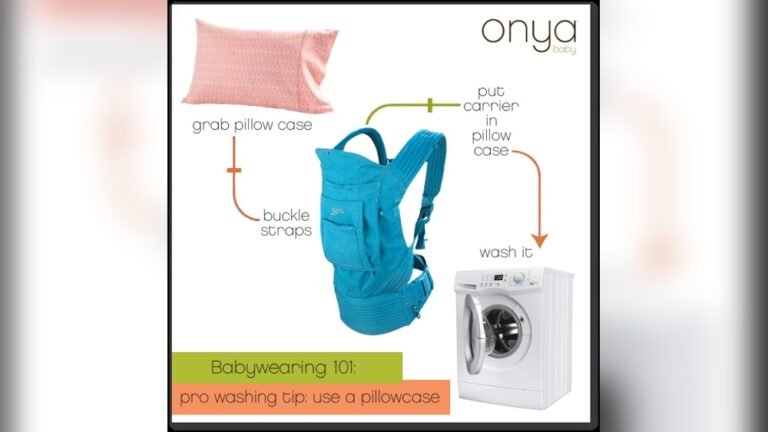
Machine Washability
Machine washable carriers simplify cleaning after spills or messes. Easy maintenance keeps the carrier fresh and hygienic. Check care labels to ensure the carrier suits your washing preferences. Quick drying fabrics add extra convenience for busy parents.
Budget Vs Premium Carriers
Choosing between budget and premium baby carriers often depends on your needs and budget. Each type offers unique features and benefits. Understanding the differences helps you make a smart choice for your family.
Price Ranges
Budget carriers usually cost under $50. They offer basic features and materials. Premium carriers range from $100 to $300 or more. These often include advanced designs and better fabrics. Price reflects quality, comfort, and added functions.
Value For Money
Budget carriers work well for occasional use. They give essential support but may lack extra padding. Premium carriers provide superior comfort for both baby and parent. They often last longer and adapt as your baby grows. Spending more can mean better durability and ease of use.
Warranty And Support
Budget carriers often have limited or no warranty. Customer support may be basic or slow. Premium brands usually offer extended warranties. They provide reliable customer service and easy returns. This adds peace of mind and protects your investment.

Credit: www.kidslandusa.com
Tips For Choosing The Right Carrier
Choosing the right baby carrier is important for your comfort and your baby’s safety. A good carrier makes carrying easier and keeps your baby happy. Use these tips to pick the best one for your needs.
Assessing Your Needs
Think about how you will use the carrier. Will you wear it for long walks or short trips? Some carriers are better for active parents. Others work well for simple errands.
Consider your body type and any health issues. Some carriers offer more back support. Look for adjustable straps and padding if you need extra comfort.
Trying Before Buying
Test different carriers before you buy. Visit stores where you can try them on with a doll or a friend’s baby. This helps you feel how the carrier fits and supports your baby.
Notice if the carrier feels heavy or hard to adjust. A good fit means both you and your baby feel secure and comfortable.
Considering Baby’s Growth
Babies grow fast. Choose a carrier that adapts to their size. Some carriers have adjustable seats and straps to grow with your baby.
Look for carriers suitable from newborn to toddler stages. This saves money and makes the carrier useful longer.
Frequently Asked Questions
What Types Of Baby Carriers Are Compared?
The comparison covers wraps, ring slings, soft-structured carriers, and backpack carriers. Each type offers unique benefits for comfort and convenience.
Which Baby Carrier Is Best For Newborns?
Wraps and specialized newborn buckle carriers are best for newborns. They provide snug support and promote bonding.
How Do Baby Carriers Differ In Comfort?
Comfort varies by design, padding, and adjustability. Soft-structured carriers often offer better lumbar support for parents.
Are Baby Carriers Safe For Long Use?
Yes, if used correctly. Proper fit, weight limits, and ergonomic positioning ensure safety during extended use.
Conclusion
Choosing the right baby carrier depends on your needs and comfort. Each type offers unique benefits for you and your baby. Consider factors like ease of use, support, and style. Trying different carriers helps find the best fit. Safety and comfort remain top priorities.
Use this comparison to guide your choice wisely. Enjoy hands-free moments while keeping your baby close. Carrying your baby can be simple and joyful with the right carrier.
I’m Melissa Turner, a mom of two passionate about helping parents make confident buying decisions. I research and review baby gear, compare trusted products, and share practical parenting tips based on careful research. My goal is to simplify shopping with honest, easy-to-understand guides that put safety, comfort, and value first. I focus on baby carriers, strollers, feeding essentials, nursery products, and everyday parenting gear. I hope my recommendations help make your parenting journey a little easier and more enjoyable.